What is AI-Native Networking? Defining the Future of Networks
Modern enterprises are under immense pressure to deliver seamless digital experiences while managing increasingly complex network environments. From hybrid work models to cloud-native applications and IoT ecosystems, network infrastructures are expanding rapidly, creating new operational challenges for NetOps teams. Traditional networking approaches, heavily dependent on manual intervention and reactive troubleshooting, are no longer sufficient to meet the demands of modern digital enterprises. This is where the AI-Native Networking Platform Market is emerging as a transformative force.
AI-native networking platforms are redefining the way organizations design, manage, optimize, and secure their networks. Unlike traditional AI-enabled networking solutions that merely add AI as an additional feature, AI-native networking platforms are built with artificial intelligence embedded into their core architecture. These platforms continuously learn from network data, automate operational workflows, predict failures, and enable self-healing capabilities to maintain network uptime and performance.
The growing need for intelligent automation, real-time analytics, and proactive network management is accelerating enterprise investments in AI-native networking technologies. Organizations today require networks that can adapt dynamically to changing business conditions while reducing operational complexity and improving employee experiences. AI-native networking platforms deliver these capabilities by integrating machine learning, automation engines, predictive analytics, and cloud-based orchestration into a unified networking ecosystem.
One of the primary drivers behind the growth of the AI-Native Networking Platform Market is the increasing complexity of enterprise networks. Modern IT environments consist of distributed cloud infrastructures, remote workforces, edge devices, and multi-vendor ecosystems that generate massive volumes of operational data. Managing these environments manually often results in configuration errors, downtime, security vulnerabilities, and performance bottlenecks. AI-native networking platforms address these issues through intelligent automation and continuous monitoring.
These platforms can automatically detect anomalies, analyze traffic behavior, recommend corrective actions, and even execute remediation workflows without human intervention. Such self-healing capabilities significantly reduce downtime and enhance network resilience. In addition, automated configuration management and AI-driven playbooks help NetOps teams streamline routine operations, allowing them to focus on strategic initiatives rather than repetitive administrative tasks.
Another critical factor fueling market adoption is the growing emphasis on digital employee experience. In today’s hybrid workplace environment, employees expect uninterrupted connectivity and consistent application performance regardless of location or device. Network disruptions or latency issues directly impact productivity and employee satisfaction. AI-native networking platforms continuously optimize network performance by analyzing user behavior, traffic patterns, and device interactions in real time. This proactive approach ensures seamless connectivity and improved end-user experiences across enterprise environments.
Cloud transformation initiatives are also playing a significant role in shaping the AI-native networking landscape. As enterprises migrate applications and workloads to multi-cloud and hybrid cloud environments, network visibility and management become increasingly challenging. AI-native networking platforms provide centralized visibility and orchestration across distributed infrastructures, enabling organizations to maintain operational consistency and performance optimization across cloud ecosystems.
The integration of AI into networking operations is further enhancing cybersecurity capabilities. Cyber threats are becoming more sophisticated, making traditional rule-based security approaches insufficient. AI-native networking platforms leverage behavioral analytics and machine learning to identify unusual activities, detect potential threats, and respond rapidly to security incidents. This intelligent threat detection capability strengthens enterprise security posture while minimizing response times.
The competitive landscape within the AI-Native Networking Platform Market is evolving rapidly as technology vendors continue to innovate and expand their AI-driven networking capabilities. Leading vendors are investing heavily in automation, observability, predictive analytics, and cloud-native networking architectures to differentiate themselves in the market. The industry is witnessing strong competition among established networking leaders and emerging innovators focused on delivering scalable, intelligent, and autonomous networking solutions.
QKS Group’s research on the global AI-native networking platform market provides comprehensive insights into these evolving market dynamics, emerging technology trends, vendor strategies, and future growth opportunities. The study offers strategic guidance for both technology providers and enterprise users seeking to navigate this rapidly transforming market landscape.
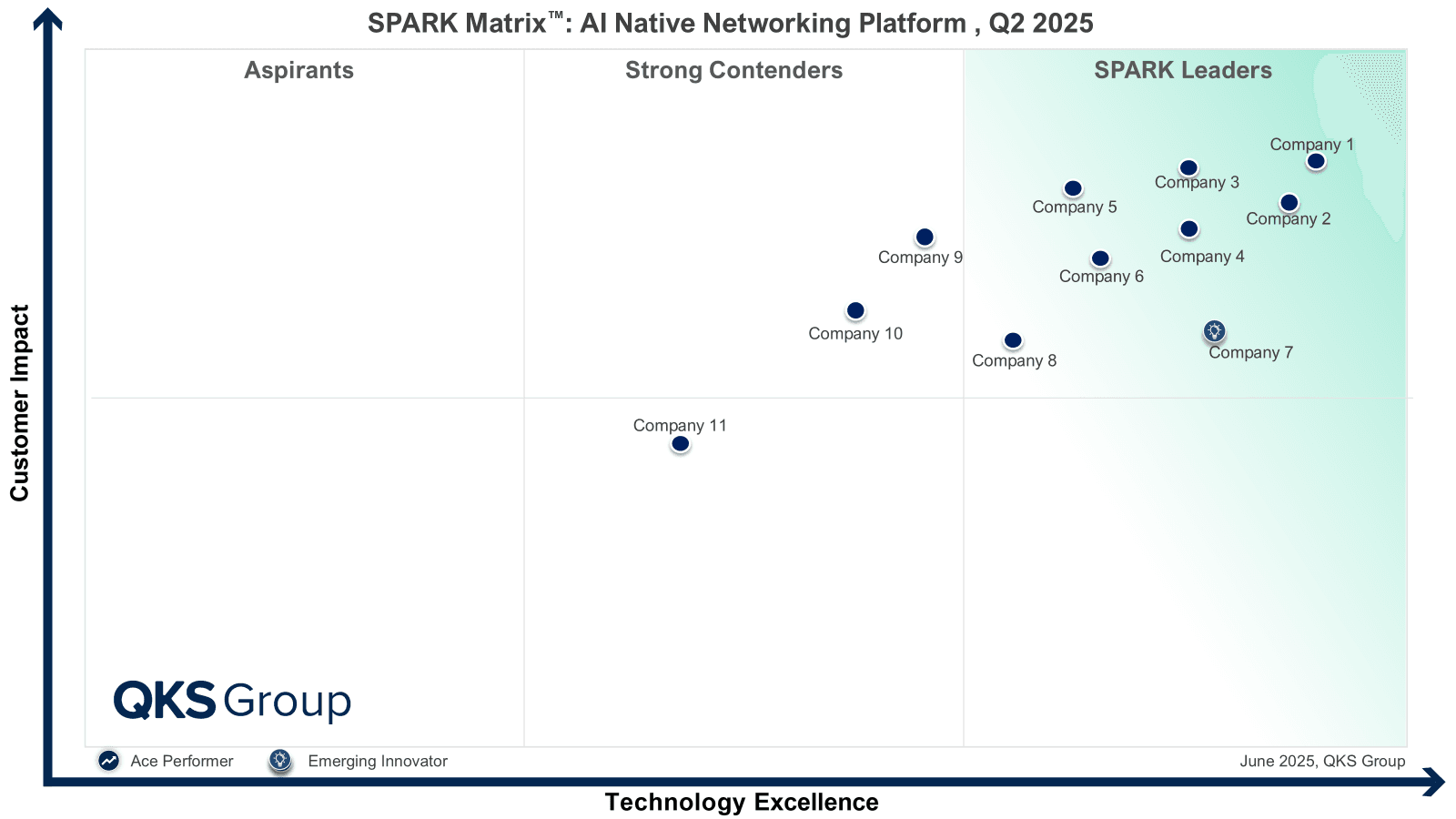
A major highlight of the research is the proprietary SPARK Matrix™ analysis, which evaluates and ranks leading vendors based on technology excellence and customer impact. The SPARK Matrix™ delivers a detailed competitive assessment of key market participants and helps enterprises identify vendors best aligned with their digital transformation goals.
The analysis includes prominent vendors such as Arista Networks, Broadcom, Cisco, Ericsson, HPE Aruba Networking, Huawei Technologies, Juniper Networks, Nile, Nokia, Riverbed Technology, and ScienceLogic. These vendors are actively shaping the future of intelligent networking through continuous innovation and AI-driven operational advancements.
As organizations increasingly prioritize automation, operational efficiency, and digital resilience, the adoption of AI-native networking platforms is expected to accelerate significantly over the coming years. Enterprises are recognizing that intelligent networking is no longer optional but essential for supporting modern business operations, ensuring cybersecurity readiness, and delivering exceptional user experiences.
Looking ahead, advancements in generative AI, edge computing, autonomous operations, and predictive analytics will continue to expand the capabilities of AI-native networking platforms. Vendors that can combine scalability, interoperability, security, and intelligent automation will gain a competitive advantage in this rapidly evolving market.
Ultimately, the AI-Native Networking Platform Market represents a critical shift toward autonomous and intelligent enterprise networking. By enabling self-optimizing, self-healing, and data-driven network operations, AI-native platforms are helping organizations build agile, resilient, and future-ready digital infrastructures capable of supporting evolving business demands in an increasingly connected world.
الأقسام
إقرأ المزيد
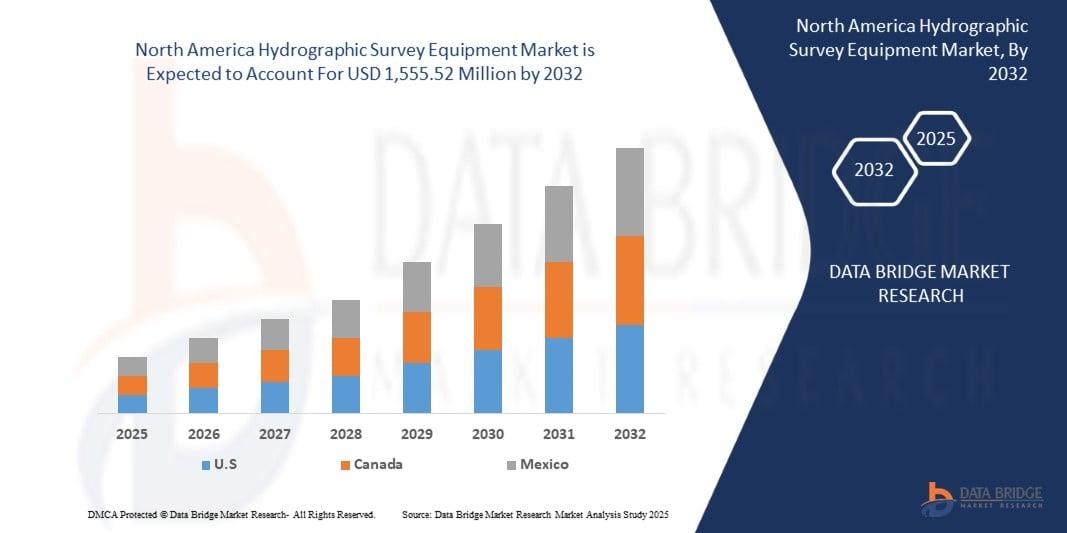
According to the latest report published by Data Bridge Market Research, the North America Hydrographic Survey Equipment Market North America hydrographic survey equipment market size was valued at USD 925.24 million in 2024 and is projected to reach USD 1,555.52 million by 2032, with a CAGR of 6.9% during the forecast period of 2025 to 2032. In addition to the insights on market...
Boost your CIPS L5M10 exam preparation with DumpsHero’s expert-crafted study guides and practice materials. Study smarter, build confidence, and pass with ease. Prepare Smarter for the CIPS L5M10 Exam with DumpsHero – Your Trusted Study Companion Mastering the CIPS L5M10 exam dumps the right blend of knowledge, practice, and confidence. DumpsHero gives IT professionals a streamlined...

A solda laser manual está transformando a forma como os profissionais da indústria realizam processos de união de metais. Essa tecnologia representa uma revolução silenciosa, mas extremamente poderosa, que alia precisão, velocidade e versatilidade. Com o avanço das técnicas de fabricação e o aumento da demanda por acabamentos...

Abu Dhabi has rapidly become one of the most attractive destinations for global events and exhibitions. This article explores the factors driving the city’s growth, including modern infrastructure, strategic location, tourism development, and increasing demand for professional event experiences. Abu Dhabi has transformed into one of the Middle East’s most influential destinations...

Tack Media nature of the fast-paced environment in the healthcare sector requires effective marketing to reach out to its audiences that include providers, pharmaceutical marketing, and health tech innovators. Tack Media is one of the leading healthcare marketing agencies that specialize in providing innovative, data-driven and compliant healthcare marketing solutions to bring...