Weight Loss: Healthy Habits for a Better Lifestyle
Maintaining a healthy body weight is important for overall wellness, confidence, and long-term fitness. In today’s busy world, many people struggle with unhealthy eating habits, stress, poor sleep, and lack of exercise. These everyday challenges can make it difficult to stay active and maintain balance.
Healthy weight loss is not about extreme dieting or avoiding food completely. Instead, it is about making realistic and sustainable lifestyle changes that support the body naturally. Small improvements in daily habits can create meaningful results over time.
Many people look for fast solutions, but long-term success usually comes from consistency, patience, and healthy choices. Eating nutritious foods, staying physically active, sleeping properly, and managing stress all contribute to a healthier body and mind.
This article explains practical and natural ways to support healthy body weight while improving overall wellness and daily energy.

Why Weight Loss Is Important
Maintaining a healthy weight can positively affect both physical and mental well-being. Excess body weight may affect mobility, confidence, energy levels, and comfort during daily activities.
Healthy weight loss may help support:
- Better physical fitness
- Improved energy levels
- Better movement and flexibility
- Improved confidence
- Better sleep quality
- Increased comfort during physical activity
The goal of healthy living should focus on overall wellness rather than appearance alone.
Common Causes of Weight Gain
Understanding the causes of weight gain can help people build healthier habits.
Poor Eating Habits
Frequent intake of processed foods, sugary snacks, and fried meals may increase calorie consumption.
Lack of Physical Activity
Long hours of sitting and limited movement reduce calorie burning.
Emotional Eating
Stress, boredom, sadness, and anxiety may encourage overeating.
Poor Sleep Habits
Insufficient sleep may increase cravings and affect appetite regulation.
Sugary Beverages
Soft drinks and sweetened beverages often contain excess sugar and calories.
Irregular Meal Patterns
Skipping meals or eating late at night may affect energy balance and healthy routines.
Recognizing these habits is the first step toward healthier living.
Healthy Eating for Weight Loss
Nutrition plays a major role in body weight management. Balanced meals help support energy while reducing unnecessary cravings.
Eat More Vegetables
Vegetables contain fiber, vitamins, and minerals while being naturally lower in calories.
Include Lean Protein
Protein-rich foods may help increase fullness and support muscle maintenance.
Choose Whole Grains
Whole grains digest more slowly and may help maintain stable energy levels.
Reduce Processed Foods
Packaged snacks and fried foods often contain unhealthy fats and added sugars.
Practice Portion Control
Moderate portions may help reduce overeating.
Healthy eating should feel balanced and sustainable instead of restrictive.
Importance of Drinking Water
Water supports digestion, metabolism, and physical performance.
Benefits of proper hydration include:
- Better digestion
- Reduced unnecessary snacking
- Increased feelings of fullness
- Improved exercise performance
- Better daily energy
Replacing sugary drinks with water may significantly reduce calorie intake.
Proper hydration also supports healthy weight loss naturally.
Exercise and Weight Loss
Regular exercise helps burn calories, improve fitness, and support overall wellness. Physical activity also benefits mood and stress management.
Helpful forms of exercise include:
- Walking
- Running
- Cycling
- Swimming
- Yoga
- Dancing
- Strength training
Even small amounts of movement each day can create positive results over time.
Walking for Better Health
Walking is one of the easiest and most effective exercises for people of all fitness levels.
Benefits of walking include:
- Improved circulation
- Better mood
- Increased calorie burning
- Reduced stress
- Better endurance
Consistency matters more than perfection when building healthy habits.
Sleep and Weight Management
Sleep plays an important role in appetite control and overall wellness. Poor sleep may increase cravings and reduce motivation for exercise.
Lack of sleep may contribute to:
- Increased hunger
- Low energy
- Cravings for sugary foods
- Difficulty maintaining healthy routines
Healthy sleep habits include:
- Sleeping at regular times
- Limiting screen exposure before bedtime
- Creating a relaxing nighttime routine
- Avoiding heavy meals late at night
Quality sleep supports healthy weight loss and better daily wellness.
Stress and Body Weight
Stress affects both physical and emotional health. Many people turn to comfort foods during stressful situations.
Long-term stress may contribute to:
- Emotional eating
- Reduced physical activity
- Poor sleep quality
- Increased cravings
Healthy stress management strategies include:
- Meditation
- Deep breathing
- Spending time outdoors
- Listening to relaxing music
- Practicing hobbies
Managing stress may improve both eating habits and lifestyle balance.
Healthy Snacks for Better Weight Management
Snacking can fit into a healthy routine when smart choices are made.
Nutritious snack ideas include:
- Fresh fruits
- Yogurt
- Nuts and seeds
- Vegetable sticks
- Boiled eggs
- Whole grain crackers
Balanced snacks may help control hunger between meals and reduce overeating later.
For more weight losscare tips, [AquaFit ].
Why Crash Diets Often Fail
Many people try extreme diets hoping for fast results. However, crash diets are usually difficult to maintain and may negatively affect health.
Extreme dieting may lead to:
- Fatigue
- Mood swings
- Nutritional deficiencies
- Muscle loss
- Increased cravings
Healthy progress usually comes from sustainable lifestyle changes rather than temporary restrictions.
Building healthy habits slowly often produces better long-term results.
Importance of Consistency
One of the biggest challenges in healthy living is staying consistent. Many people lose motivation when results take time.
Helpful ways to stay consistent include:
- Setting realistic goals
- Tracking progress
- Building simple routines
- Celebrating small achievements
- Staying patient
Small improvements practiced daily often create meaningful results over time.
Weight Loss and Metabolism
Metabolism refers to how the body converts food into energy. Factors such as age, activity level, sleep, and muscle mass influence metabolism.
Ways to support metabolism naturally include:
- Staying physically active
- Drinking enough water
- Eating balanced meals
- Sleeping properly
- Including protein-rich foods in meals
Healthy routines help support the body’s natural energy processes.
Morning Habits for Better Weight Management
Morning routines often influence energy levels and food choices throughout the day.
Eat a Healthy Breakfast
Balanced breakfasts may reduce cravings later in the day.
Stay Hydrated Early
Morning hydration supports digestion and metabolism.
Move Your Body
Light stretching or walking may improve focus and energy.
Avoid Excess Sugar
Highly sugary breakfast foods may lead to energy crashes later.
Healthy mornings often encourage healthier decisions throughout the day.
Evening Habits That Support Wellness
Nighttime habits are equally important for maintaining healthy routines.
Helpful evening habits include:
- Eating lighter dinners
- Avoiding late-night snacking
- Reducing screen time before sleep
- Preparing healthy meals for the next day
- Going to sleep at a regular time
Healthy routines work best when practiced consistently.
Emotional Eating and How to Manage It
Many people eat because of emotions rather than true hunger.
Common emotional eating triggers include:
- Stress
- Boredom
- Anxiety
- Sadness
- Loneliness
Ways to reduce emotional eating include:
- Drinking water first
- Going for a short walk
- Practicing mindfulness
- Keeping healthy snacks available
- Finding alternative stress-relief activities
Recognizing emotional triggers may improve eating habits over time.
Benefits of Strength Training
Strength training supports body composition and overall fitness.
Benefits may include:
- Increased muscle tone
- Improved strength
- Better posture
- Enhanced metabolism
- Support for healthy body weight
Strength exercises can be performed at home or in fitness centers using body weight or simple equipment.
Portion Control and Weight Loss
Even healthy foods can contribute to excess calorie intake when portions become too large.
Helpful portion control strategies include:
- Using smaller plates
- Eating slowly
- Avoiding distractions during meals
- Paying attention to fullness signals
Mindful eating may improve awareness of hunger and satisfaction.
Importance of Fiber
Fiber-rich foods support digestion and help increase fullness after meals.
Foods rich in fiber include:
- Fruits
- Vegetables
- Oats
- Beans
- Whole grains
- Seeds
Fiber may help reduce cravings and support healthy digestion naturally.
Weight Loss and Social Life
Social events often involve unhealthy food choices, but balance is still possible.
Helpful tips include:
- Eating before attending events
- Choosing moderate portions
- Staying hydrated
- Focusing on conversations instead of constant snacking
Healthy living should still allow flexibility and enjoyment.
Common Weight Loss Myths
There are many misconceptions about healthy body weight management.
Myth: Skipping Meals Helps
Skipping meals may increase hunger and lead to overeating later.
Myth: Carbohydrates Must Be Avoided Completely
Healthy carbohydrates can fit into a balanced diet.
Myth: Fast Results Are Better
Slow and steady progress is usually more sustainable.
Myth: Exercise Alone Is Enough
Both healthy eating and physical activity are important.
Understanding the truth behind these myths can help people make smarter choices.
Building a Long-Term Healthy Lifestyle
Healthy living should feel realistic and sustainable rather than stressful.
A balanced lifestyle may include:
- Nutritious meals
- Daily movement
- Proper hydration
- Stress management
- Quality sleep
- Positive routines
Healthy weight loss often happens naturally when these habits become part of everyday life.
For more healthy lifestyle ideas and natural wellness support, [AquaFit ].
Final Thoughts
Healthy living begins with small daily choices. Eating balanced meals, staying active, drinking enough water, sleeping well, and managing stress can all support better physical and mental wellness.
Healthy weight loss is not about perfection or extreme dieting. Sustainable progress usually comes from consistency, patience, and balanced habits. Building healthier routines gradually may improve energy, confidence, and overall quality of life.
By focusing on realistic goals and maintaining positive daily habits, you can support your body naturally and enjoy long-term wellness benefits.
this product is very helpful for this problem.
Categorias
Leia mais
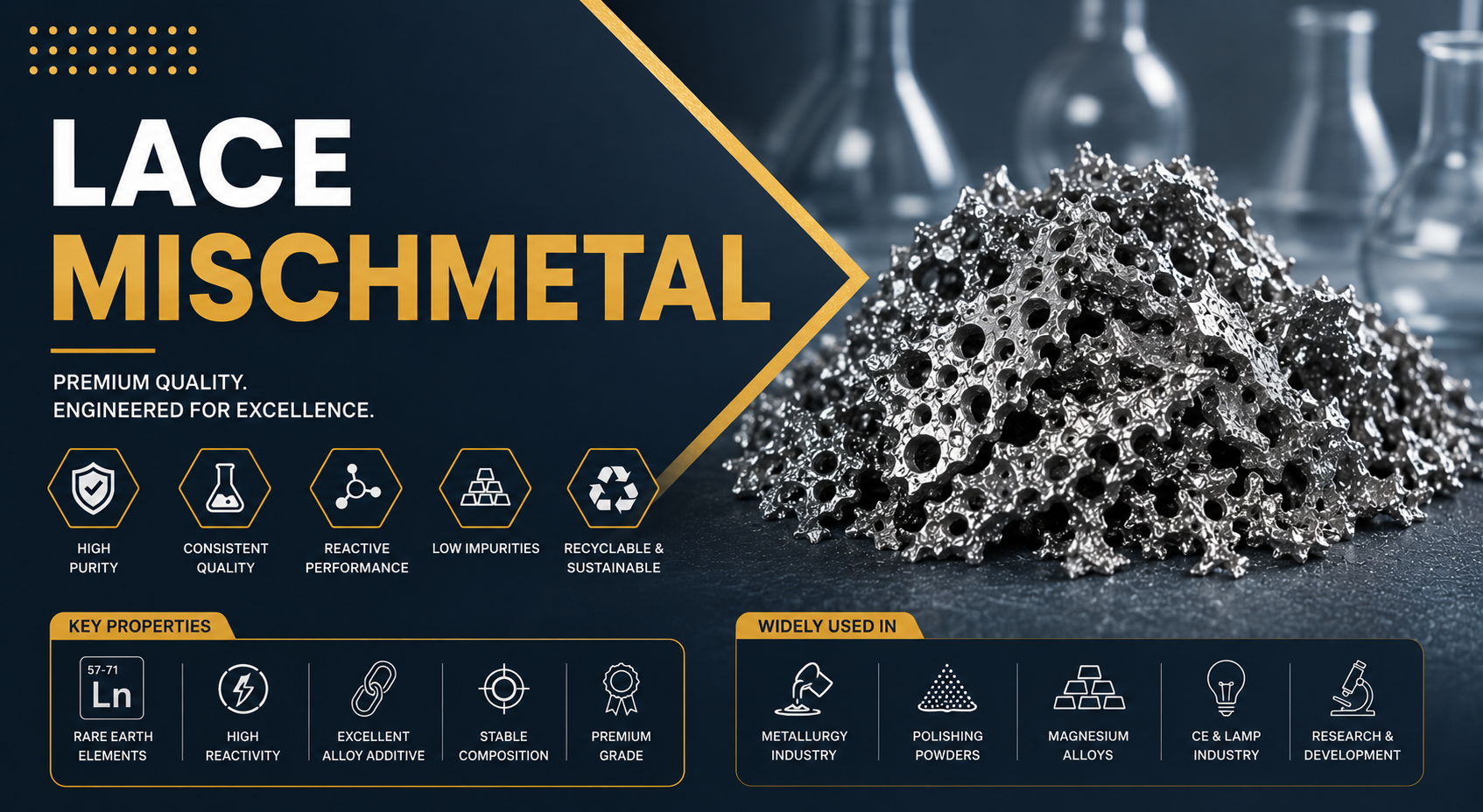
The Lace Mischmetal Price Trend, Lace Mischmetal Prices, Lace Mischmetal Price chart are becoming increasingly important for industries linked to metallurgy, automotive production, lighter manufacturing, and advanced alloy development. Lace mischmetal is a mixed rare earth metal alloy that generally contains elements such as cerium, lanthanum, neodymium, and praseodymium. While the name may...
Mental health is one of the most crucial aspects of overall well-being, and at Serene Life Hospital, we are dedicated to offering the most comprehensive, compassionate, and professional psychiatric care in Chennai. As the best psychiatric hospital in Chennai, we take pride in providing evidence-based treatments, advanced diagnostic methods, and holistic therapy programs to help individuals...

Weight loss is a goal many people share, but it often feels confusing or overwhelming. With so much information available, it can be hard to know where to start. The good news is that weight loss doesn’t have to be complicated. With simple habits, realistic goals, and a positive mindset, anyone can begin a successful journey toward a healthier body and improved confidence. This...

살다 보면 예상치 못한 지출이 생기는 순간이 있습니다. 월급일은 아직 멀었고, 카드 한도도 애매한 상황이라면 선택지는 더욱 좁아집니다. 이런 상황에서 많은 사람들이 소액결제현금화를 하나의 대안으로 고려하게 됩니다. 이름만 들으면 복잡하거나 위험하게 느껴질 수 있지만, 구조를 이해하면 의외로 단순한 방식이라는 것을 알 수 있습니다. 소액결제현금화는 휴대폰 소액결제 한도를 이용해 디지털 상품이나 서비스를 결제한 뒤, 이를 현금으로 전환하는 방식입니다. 통신사를 통해 결제가 이루어지기 때문에 별도의 신용 심사나 서류 절차가 필요 없다는 점이 가장 큰 특징입니다. 그래서 급하게 현금이 필요한 상황에서 빠르게 접근할 수 있는 방법으로 인식되고 있습니다. 이용 과정은 생각보다 간단합니다. 먼저 소액결제가 가능한...

Barcelona vs PSG Champions League 2025 – A Clash of European Giants The UEFA Champions League 2025 brings football fans a blockbuster showdown – Barcelona vs Paris Saint-Germain (PSG) on October 1, 2025. This fixture is not just another group stage encounter; it is a battle of pride, legacy, and European dominance. Barcelona enters the game with a mix of youthful energy and tactical...