


How Intelligent Mentor Management Software Helps LMS Learners Stay Focused?
The digital learning environment has changed the way students, employees, and trainees develop skills. Modern learning platforms provide flexibility and accessibility, but they also create challenges. One of the biggest concerns for educators and training organizations is maintaining learner focus and engagement throughout the learning journey.
Many learners struggle with distractions, inconsistent study habits, and limited mentor interaction. This is where intelligent mentoring systems become valuable. Modern Mentor Management Software helps organizations create structured learning experiences, strengthen mentor-learner communication, and improve performance.
When integrated with an LMS ecosystem, mentor management solutions help learners remain focused, motivated, and aligned with their educational goals.
Understanding Intelligent Mentor Management Software
Mentor Management Software is a digital solution designed to manage mentoring activities, learner progress, communication, scheduling, and performance tracking.
Traditional mentoring often depends on manual processes, which can create delays and reduce effectiveness. Intelligent mentor systems use automation and analytics to improve learning guidance.
These platforms help mentors:
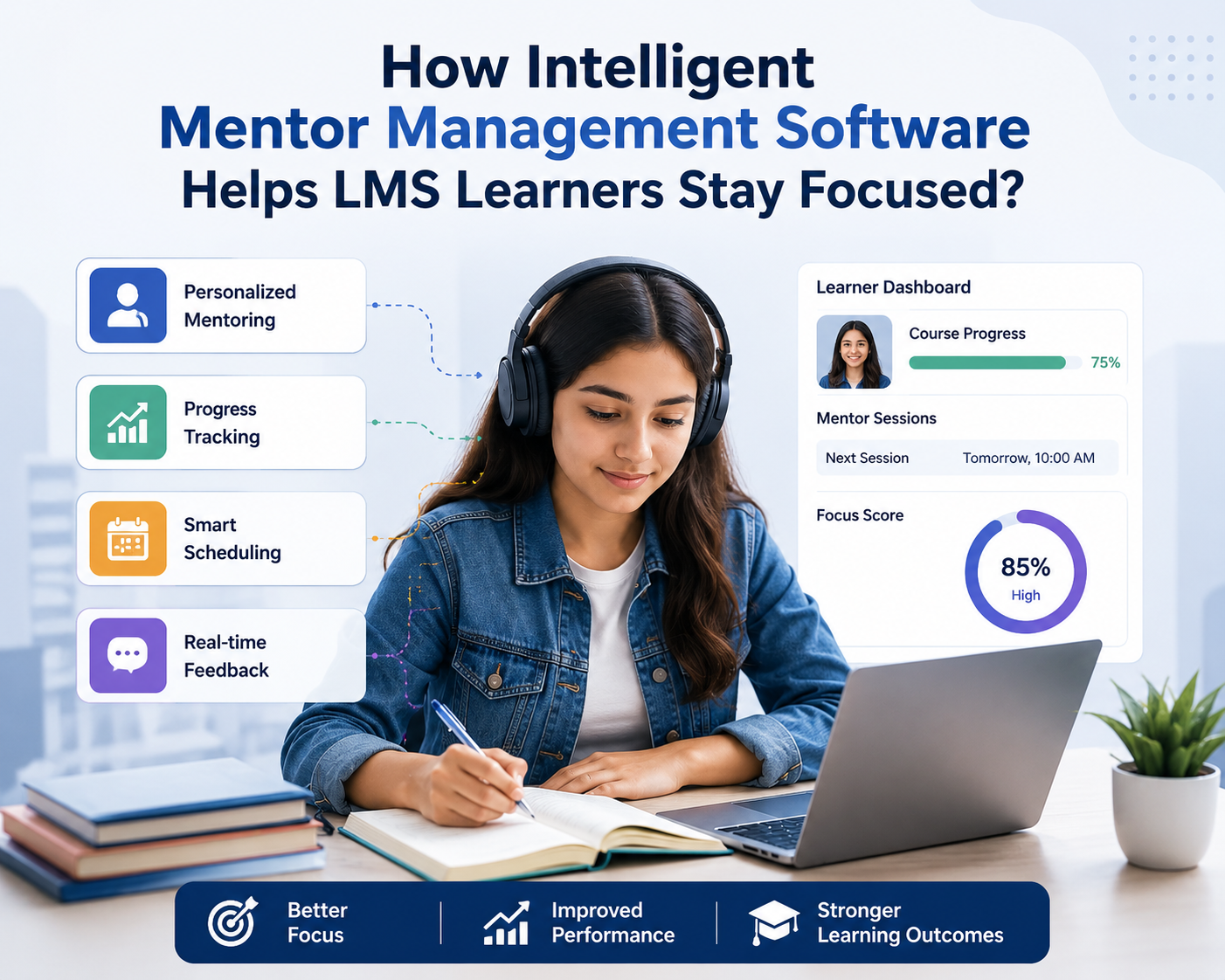
- Track learner progress
- Assign personalized goals
- Monitor engagement levels
- Schedule mentoring sessions
- Evaluate performance data
- Provide timely feedback
Instead of offering generic support, mentors can deliver targeted learning assistance based on individual needs.
This creates a more productive learning environment.
Why Learners Lose Focus in LMS Platforms
Learning Management Systems provide flexibility, but flexibility sometimes leads to reduced concentration.
Common reasons learners lose focus include:
Information overload:
Large content libraries may overwhelm learners.
Lack of guidance:
Students often feel uncertain about learning priorities.
Limited interaction:
Minimal communication decreases engagement.
No progress visibility:
Learners lose motivation when they cannot measure growth.
Poor personalization:
Generic content may not match learner interests.
Intelligent mentoring systems solve these challenges by creating structured learning experiences and continuous support.
Many organizations combine mentoring programs with LMS Administration Services to improve platform efficiency and learner outcomes.
Personalized Mentoring Improves Concentration
Every learner has different goals, learning styles, and strengths.
Some students prefer visual learning, while others respond better to discussions, practice exercises, or project-based activities.
Intelligent mentor systems analyze learner data and help mentors provide personalized guidance.
Mentors can:
- Recommend suitable learning paths
- Set customized milestones
- Identify weak areas
- Suggest relevant resources
- Adjust training methods
This personalized support keeps learners interested and improves concentration.
When students receive relevant content and targeted mentorship, they stay focused longer and perform better.
Real-Time Progress Tracking Keeps Learners Motivated
Motivation plays a major role in maintaining focus.
Learners who see measurable improvement are more likely to continue their training programs.
Mentor Management Software allows mentors to monitor:
- Assignment completion
- Course participation
- Attendance levels
- Skill development
- Learning consistency
Real-time dashboards create transparency between mentors and learners.
Students understand:
- What they completed
- What remains pending
- Which areas require improvement
This visibility increases accountability and encourages regular participation.
Organizations using the Best Learning Management Platform often integrate mentoring analytics to improve learner engagement.
Better Communication Creates Stronger Learning Relationships
Mentoring is more than tracking reports. Strong communication creates trust and improves learning experiences.
Intelligent mentor systems support:
Instant feedback:
Learners receive guidance quickly.
Scheduled interactions:
Mentors organize sessions without delays.
Progress discussions:
Students understand achievements and improvement areas.
Continuous support:
Regular communication reduces learning gaps.
When learners feel supported, they become more engaged and focused.
This relationship improves confidence and reduces frustration during training programs.
Goal-Based Learning Improves Attention
Learners often lose interest when objectives are unclear.
Mentor Management Software introduces goal-based learning by dividing large programs into smaller milestones.
Examples include:
- Weekly assignments
- Skill checkpoints
- Performance targets
- Subject completion goals
- Training achievements
Breaking learning into manageable steps improves concentration and reduces stress.
Learners stay motivated because progress becomes visible and achievable.
Goal-oriented mentoring also encourages discipline and time management.
Supporting Remote and Hybrid Learning Environments
Remote education and hybrid learning have increased significantly in recent years.
Although remote learning offers flexibility, maintaining focus outside classrooms can be difficult.
Mentor systems help by providing:
- Virtual mentoring sessions
- Automated reminders
- Digital performance tracking
- Learning progress alerts
- Collaborative activities
Integration with Online Training Platform solutions creates a seamless learning experience.
Learners gain access to mentors regardless of location.
This ensures continuous support and better engagement.
Intelligent Analytics Improve Learning Decisions
Data-driven learning is becoming essential for modern education and corporate training.
Mentor Management Software collects valuable insights such as:
- Course completion rates
- Learning speed
- Mentor effectiveness
- Participation trends
- Engagement patterns
These analytics help mentors identify learners who need additional support.
Instead of waiting for poor results, mentors can intervene early.
Predictive insights improve performance and reduce learning interruptions.
Institutions using Remote Training Software benefit significantly because analytics help maintain quality learning experiences even from distant locations.
Building Accountability Through Mentoring
Accountability is one of the strongest factors affecting learner success.
Students who know their progress is being monitored often demonstrate:
- Higher participation
- Better discipline
- Increased focus
- Improved consistency
- Stronger commitment
Mentor Management Software creates accountability through:
Activity tracking:
Learners remain aware of progress.
Performance reviews:
Mentors provide regular evaluations.
Achievement milestones:
Students celebrate progress.
Follow-up sessions:
Learning momentum stays active.
This structure encourages learners to remain committed to their goals.
Improving Skill Development and Knowledge Retention
Learning is not only about completing courses. True success comes from skill development and knowledge retention.
Intelligent mentoring systems improve retention through:
- Continuous reinforcement
- Practical assignments
- Mentor feedback
- Interactive discussions
- Personalized recommendations
Students remember concepts better when learning becomes interactive.
Mentors help connect theory with practical applications, making lessons more meaningful.
Organizations using the Best Learning Management Platform often see stronger outcomes when mentoring programs are included.
The Role of AI in Mentor Management Systems
Artificial intelligence is changing mentoring processes by introducing automation and predictive capabilities.
AI-enabled mentor platforms can:
- Detect learner behavior patterns
- Recommend interventions
- Identify engagement risks
- Suggest learning resources
- Predict performance trends
AI reduces manual work for mentors while improving support quality.
Learners receive timely assistance before challenges become serious.
This proactive approach strengthens focus and improves training effectiveness.
Future of Intelligent Mentoring in LMS Ecosystems
Modern LMS platforms are evolving from simple content delivery systems into intelligent learning environments.
Future mentor management solutions may include:
- AI learning assistants
- Adaptive mentoring paths
- Predictive learning analytics
- Automated skill mapping
- Real-time performance optimization
These innovations will create more personalized and efficient learning experiences.
Mentors will spend less time on administration and more time guiding learners.
Students will benefit from stronger support systems and improved academic performance.
Conclusion
Intelligent mentoring is becoming an essential part of modern learning environments. Mentor Management Software helps learners stay focused by providing personalized guidance, progress tracking, goal-based learning, and continuous communication.
When integrated with LMS Administration Services, mentoring systems create stronger educational experiences and improve learner engagement. They also work effectively with Online Training Platform environments and support distributed learning models powered by Remote Training Software.
As digital learning continues to grow, institutions adopting intelligent mentoring solutions will be better prepared to support learners, improve focus, and deliver meaningful educational outcomes.

الأقسام
إقرأ المزيد
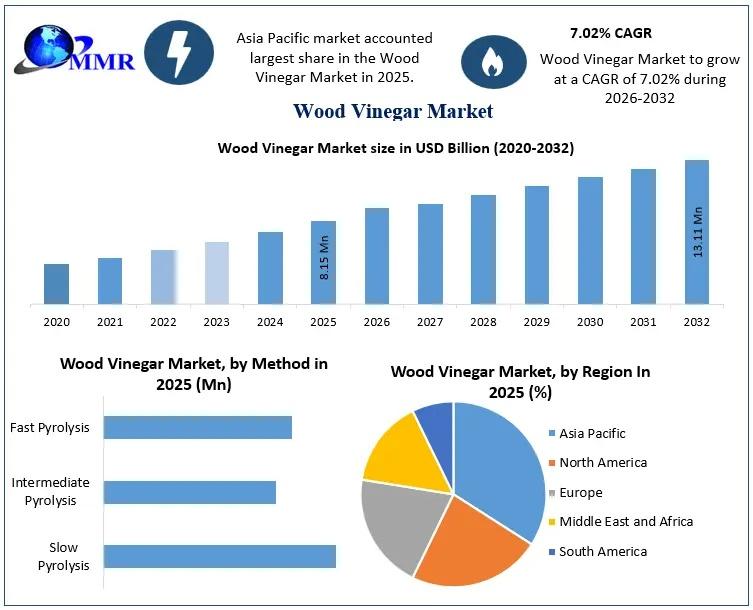
Wood Vinegar Market is entering a transformative growth phase as sustainability, clean-label consumption, advanced food processing technologies, and circular bioeconomy initiatives accelerate adoption across agriculture, food ingredients, premium consumer products, and functional wellness applications. According to insights from Maximize Market Research (MMR), the global Wood Vinegar...
Introduction In India’s rapidly growing economy, consumers are becoming increasingly aware of the quality and safety of the products they purchase. Businesses, in turn, must comply with strict national standards to build trust and gain market approval. One of the most recognized ways to achieve this compliance is through BIS Certification. This article explores the meaning of BIS...

Polaris Market Research has published a new report titled Green Hydrogen Market Share, Size, Trends, Industry Analysis Report By Technology [Alkaline Electrolyzer, Polymer Electrolyte Membrane (PEM) Electrolyzer]; By Distribution Channel; By Application; By Region; Segment Forecast, 2026–2034 that delivers up-to-date analysis with analyses of the current and future effects of...
Vegetable Powders Market Outlook from 2025 to 2035 The global vegetable powders market is poised for steady expansion between 2025 and 2035, driven by increasing consumer demand for convenient, nutrient-rich food ingredients and the growing popularity of clean-label and plant-based diets. As modern lifestyles continue to favor quick and healthy meal solutions, vegetable powders are emerging as...

The North America Gene Therapy Market continues to play a pivotal role in the global expansion of advanced therapeutic technologies. The region benefits from a strong biotechnology ecosystem, extensive research activities, robust healthcare infrastructure, and increasing investments in innovative treatment approaches. Growing adoption of gene-based therapies for the treatment of genetic...
