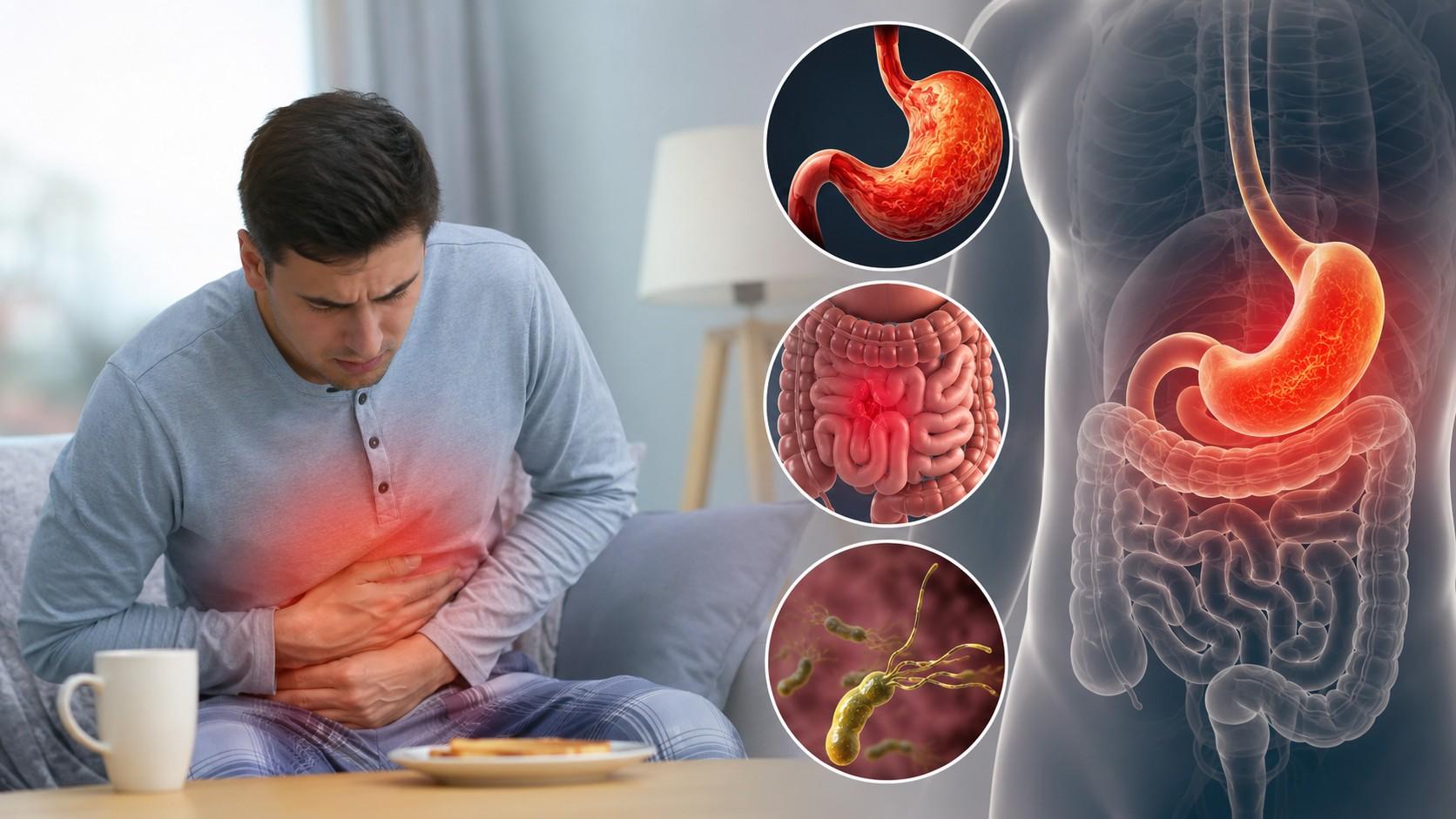
Unexpected weight loss can be alarming, especially when it happens without dieting or increased physical activity. Many people ignore this symptom initially, assuming it is due to stress or lifestyle changes. However, persistent or rapid weight loss may point toward underlying digestive or stomach-related disorders that require medical attention. If you are experiencing unexplained weight loss along with stomach discomfort, consulting the best stomach specialist in Lahore can help identify the root cause and prevent complications.
The digestive system plays a critical role in absorbing nutrients, maintaining metabolism, and supporting overall health. When the stomach or intestines are not functioning properly, the body may fail to absorb essential nutrients, leading to fatigue, weakness, and gradual weight loss. Understanding the connection between digestive health and body weight is important for early diagnosis and proper treatment.
How Stomach Problems Cause Weight Loss
The stomach and digestive tract break down food and absorb nutrients necessary for energy and body maintenance. When a gastrointestinal condition interferes with digestion or nutrient absorption, the body begins losing weight unintentionally.
Some digestive diseases reduce appetite, while others cause nausea, vomiting, diarrhea, or abdominal pain that makes eating difficult. Chronic inflammation in the digestive system can also affect metabolism and nutrient uptake.
In many cases, unexplained weight loss is one of the earliest warning signs of a serious digestive disorder.
Common Stomach Conditions That Lead to Weight Loss
1. Gastritis
Gastritis refers to inflammation of the stomach lining. It can develop due to bacterial infections, excessive painkiller use, stress, or alcohol consumption. Symptoms often include:
- Burning stomach pain
- Nausea
- Loss of appetite
- Bloating
- Vomiting
When gastritis becomes chronic, patients may avoid eating because of discomfort, leading to gradual weight loss.
2. Peptic Ulcers
Peptic ulcers are sores that develop in the stomach or upper intestine lining. They commonly occur due to Helicobacter pylori infection or prolonged use of anti-inflammatory medicines.
Symptoms include:
- Sharp stomach pain
- Acid reflux
- Feeling full quickly
- Vomiting
- Appetite reduction
Many ulcer patients unintentionally lose weight because eating worsens the pain.
3. Irritable Bowel Syndrome (IBS)
IBS is a common digestive disorder affecting bowel habits and abdominal comfort. While IBS itself may not always cause severe weight loss, frequent diarrhea and food avoidance can reduce body weight over time.
Common symptoms include:
- Cramping
- Gas and bloating
- Diarrhea or constipation
- Abdominal discomfort
A proper diagnosis from the best stomach specialist in Lahore can help manage IBS effectively through dietary and medical treatment.
4. Inflammatory Bowel Disease (IBD)
Conditions such as Crohn’s disease and ulcerative colitis cause chronic inflammation in the digestive tract. These disorders can severely affect nutrient absorption and appetite.
Symptoms often include:
- Persistent diarrhea
- Blood in stool
- Fatigue
- Severe abdominal pain
- Significant weight loss
IBD requires long-term medical management to prevent complications and maintain nutritional health.
5. Gastroesophageal Reflux Disease (GERD)
GERD causes acid from the stomach to flow back into the esophagus. Patients may experience chest burning, sour taste, difficulty swallowing, and nausea.
Severe GERD can reduce appetite and lead to gradual weight loss due to discomfort after eating.
6. Celiac Disease
Celiac disease occurs when the immune system reacts to gluten, damaging the small intestine lining. This damage prevents proper absorption of nutrients.
Symptoms include:
- Chronic diarrhea
- Weight loss
- Weakness
- Nutritional deficiencies
- Abdominal bloating
Without treatment, celiac disease can lead to serious health complications.
7. Stomach Infections
Bacterial, viral, or parasitic infections can cause severe digestive disturbances. Food poisoning and intestinal infections may result in dehydration and rapid weight reduction.
Symptoms usually include:
- Vomiting
- Fever
- Diarrhea
- Abdominal cramps
- Loss of appetite
Most infections improve with timely medical treatment and hydration support.
8. Stomach Cancer
Although less common, unexplained weight loss may sometimes be linked to stomach cancer. Early symptoms can be subtle and may resemble common digestive issues.
Warning signs include:
- Persistent stomach pain
- Difficulty eating
- Feeling full quickly
- Vomiting blood
- Extreme fatigue
- Continuous weight loss
Early diagnosis significantly improves treatment outcomes.
Symptoms That Should Never Be Ignored
Weight loss related to stomach issues is often accompanied by other warning signs. You should seek medical evaluation if you experience:
- Sudden or unexplained weight loss
- Ongoing abdominal pain
- Persistent nausea or vomiting
- Blood in stool
- Difficulty swallowing
- Chronic diarrhea
- Severe bloating
- Loss of appetite
- Fatigue and weakness
Ignoring these symptoms can delay diagnosis and worsen underlying conditions.
How Gastroenterologists Diagnose the Problem
A gastroenterologist specializes in diagnosing and treating digestive disorders. The diagnostic process may include:
Medical History and Physical Examination
The doctor evaluates symptoms, eating habits, medical history, and duration of weight loss.
Blood Tests
Blood investigations help detect infections, anemia, inflammation, liver issues, and nutritional deficiencies.
Endoscopy
An endoscopy allows doctors to examine the inside of the stomach using a flexible camera tube. It helps identify ulcers, gastritis, infections, or tumors.
Colonoscopy
This procedure examines the large intestine and is useful for diagnosing inflammatory bowel disease, colon polyps, and other intestinal disorders.
Ultrasound or CT Scan
Imaging studies help assess the stomach, liver, pancreas, and surrounding digestive organs.
Stool Analysis
Stool testing can identify infections, bleeding, or digestive abnormalities.
Early and accurate diagnosis is essential for effective treatment and recovery.
Treatment Options for Weight Loss Due to Stomach Issues
Treatment depends on the underlying condition causing digestive problems.
Medications
Doctors may prescribe:
- Acid-reducing medicines
- Antibiotics
- Anti-inflammatory drugs
- Probiotics
- Anti-nausea medications
Proper medication can improve digestion and restore appetite.
Dietary Changes
Nutrition plays a major role in recovery. Patients may be advised to:
- Eat smaller meals frequently
- Avoid spicy and oily foods
- Increase fluid intake
- Limit caffeine and carbonated drinks
- Follow specialized diets for IBS or celiac disease
Lifestyle Modifications
Simple lifestyle improvements can greatly support digestive health:
- Avoid smoking
- Reduce stress
- Exercise regularly
- Maintain healthy sleep patterns
Surgical Treatment
In severe cases such as tumors, bleeding ulcers, or intestinal blockages, surgery may be required.
Importance of Early Consultation
Many digestive disorders worsen over time when left untreated. Early medical consultation helps:
- Prevent complications
- Improve nutritional health
- Reduce pain and discomfort
- Restore healthy body weight
- Improve quality of life
People often delay seeking help because they assume weight loss is harmless or temporary. However, ongoing digestive symptoms should always be evaluated by a qualified specialist.
If you are searching for the best stomach specialist in Lahore, choosing an experienced gastroenterologist can make a significant difference in diagnosis and treatment outcomes.
Maintaining Digestive Health
Good digestive health is essential for maintaining a healthy body weight and overall well-being. Some preventive tips include:
- Eat balanced meals
- Stay hydrated
- Avoid excessive junk food
- Manage stress effectively
- Exercise regularly
- Do not ignore recurring stomach symptoms
- Schedule routine medical checkups
Healthy habits reduce the risk of developing chronic digestive conditions.
Final Thoughts
Weight loss due to stomach issues should never be ignored, especially when accompanied by abdominal pain, appetite loss, nausea, or digestive discomfort. Many gastrointestinal disorders can interfere with digestion and nutrient absorption, leading to gradual or rapid weight reduction.
Early diagnosis and professional medical care are critical for identifying the underlying cause and restoring digestive health. Consulting the best stomach specialist in Lahore can help patients receive accurate diagnosis, proper treatment, and long-term management of digestive disorders.
Dr Habib Raja MBBS, FCPS gastroenterologist in Lahore
Address: 7, Block M Phase 2 Johar Town, Lahore, Punjab 54782
Phone: 0311 6712017