Introduction
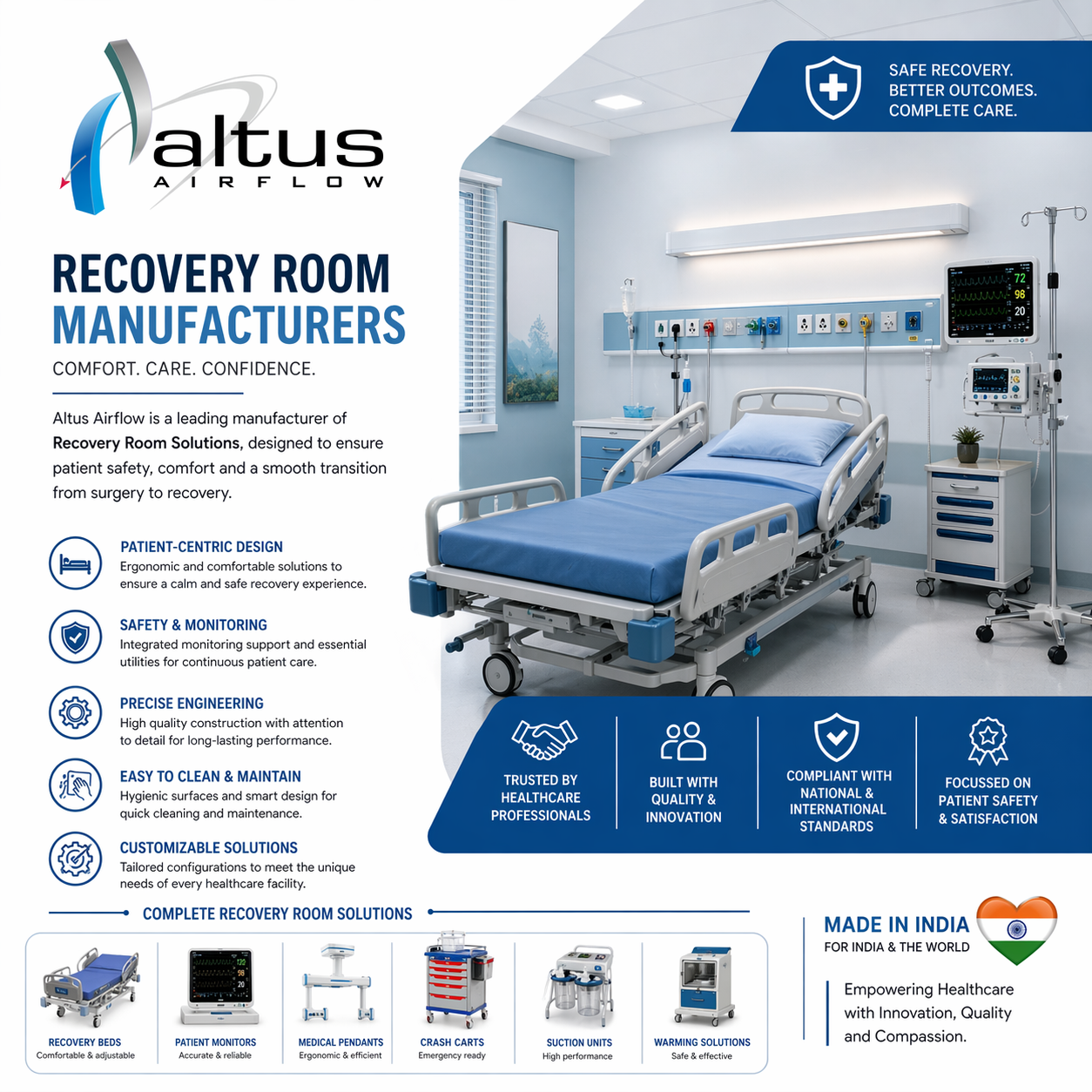
Recovery rooms are critical post-operative care areas where patients are closely monitored after surgery until they regain stability. Since patients in this phase are highly vulnerable to infections due to surgical wounds and reduced immunity, infection control becomes one of the most important aspects of hospital design and operation. In modern healthcare infrastructure, Recovery Room Manufacturers develop specialized systems and layouts that integrate engineering controls, clinical protocols, and hygiene practices to minimize infection risks and ensure patient safety.
Infection Control Management in Recovery Rooms
Infection control in recovery rooms is managed through a combination of architectural design, environmental systems, medical protocols, and staff training. Each element is carefully structured to reduce the risk of hospital-acquired infections and maintain a sterile healing environment.
One of the most important components is air quality control. Advanced HVAC systems are installed to regulate airflow, temperature, and humidity within the recovery room. High-Efficiency Particulate Air (HEPA) filters help remove airborne pathogens, ensuring that the air remains clean and safe for post-surgical patients.
Proper zoning and layout design also play a key role. Recovery rooms are divided into clean and semi-clean zones to prevent cross-contamination. Patient beds are spaced adequately to allow safe movement of healthcare staff and equipment while reducing the risk of infection spread between patients.
Surface materials used in recovery room construction are selected for their antimicrobial and non-porous properties. These materials allow easy cleaning and disinfection, reducing microbial growth on frequently touched surfaces such as beds, rails, and workstations.
Hand hygiene is strictly enforced in recovery areas. Handwashing stations and alcohol-based sanitizers are placed at multiple locations to ensure that healthcare staff can maintain proper hygiene before and after patient contact.
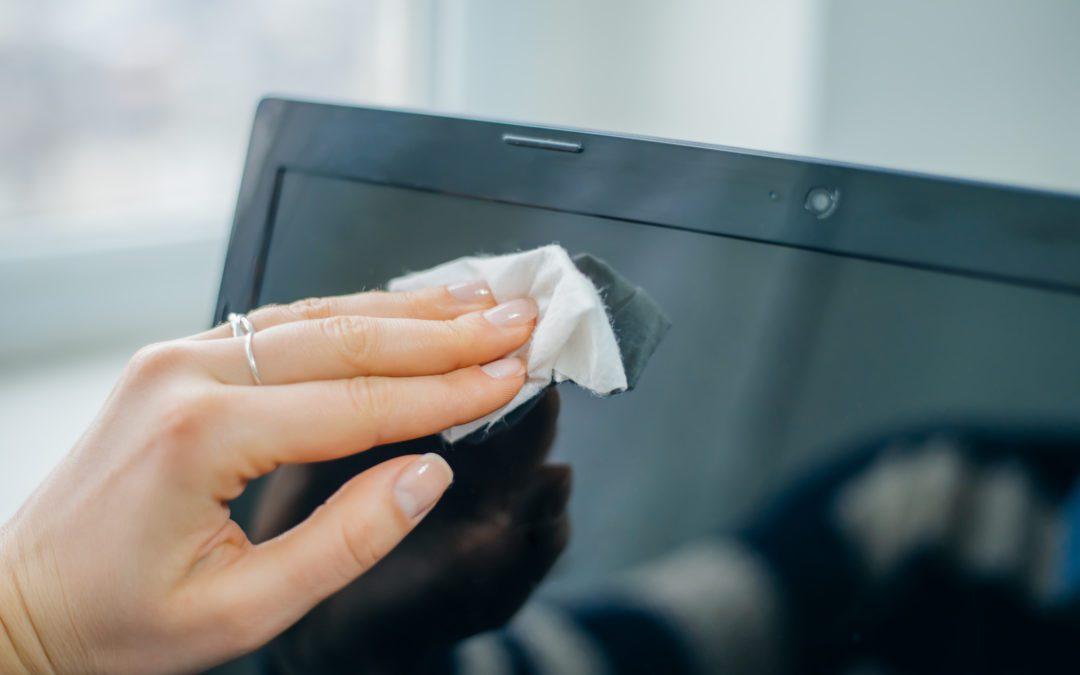
Medical equipment is regularly disinfected according to strict hospital protocols. Devices such as monitors, infusion pumps, and suction machines are cleaned after each use. Where possible, disposable equipment is used to further reduce infection risks.
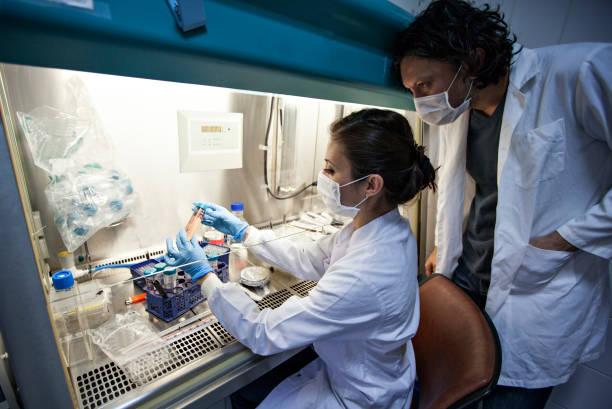
Personal protective equipment (PPE) is mandatory for healthcare staff working in recovery rooms. Gloves, masks, gowns, and other protective gear help prevent transmission of pathogens between patients and staff.
Biomedical waste management is another critical part of infection control. Waste materials are segregated at the source using color-coded bins and disposed of safely according to hospital guidelines to prevent environmental contamination.
Patient flow and staff movement are carefully controlled to avoid unnecessary contact between different zones. Dedicated pathways for staff and equipment reduce the chances of cross-contamination within the recovery area.
Environmental cleaning protocols are strictly followed. High-touch surfaces are disinfected regularly, and deep cleaning is scheduled at fixed intervals to maintain a sterile environment.
Modern monitoring systems also help reduce infection risks by enabling centralized patient observation. This reduces the need for frequent physical contact, thereby lowering the chance of contamination.
Within this structured system, Recovery Room Manufacturers ensure that infection control is not a single process but a continuous, integrated approach combining design, technology, and clinical practice.
Conclusion
Infection control in recovery rooms is managed through a combination of advanced air filtration systems, antimicrobial materials, strict hygiene protocols, controlled layouts, and staff training. Every aspect of recovery room design is focused on minimizing infection risks and ensuring patient safety after surgery. The role of Recovery Room Manufacturers is essential in integrating these systems to create safe, efficient, and hygienic post-operative care environments.
FAQs
1. How is infection control managed in recovery rooms?
In a setup designed by Recovery Room Manufacturers, infection control is managed through HEPA-filtered HVAC systems, antimicrobial surfaces, strict hand hygiene, PPE usage, and controlled patient spacing.
2. Why is infection control important in recovery rooms?
It is important because post-operative patients are highly vulnerable to infections due to open surgical wounds and weakened immunity.
3. How does HVAC help in infection control?
HVAC systems regulate airflow and use HEPA filters to remove airborne pathogens, maintaining a clean environment.
4. What role do staff practices play in infection control?
Proper hand hygiene, PPE usage, and sterilization protocols followed by staff are critical in preventing infection spread.
5. Are recovery rooms designed differently for infection control?
Yes, recovery rooms are designed with zoning, spacing, antimicrobial materials, and controlled airflow systems to minimize infection risks.