


How to Master Proactive Canine Health Strategies for a Longer Life
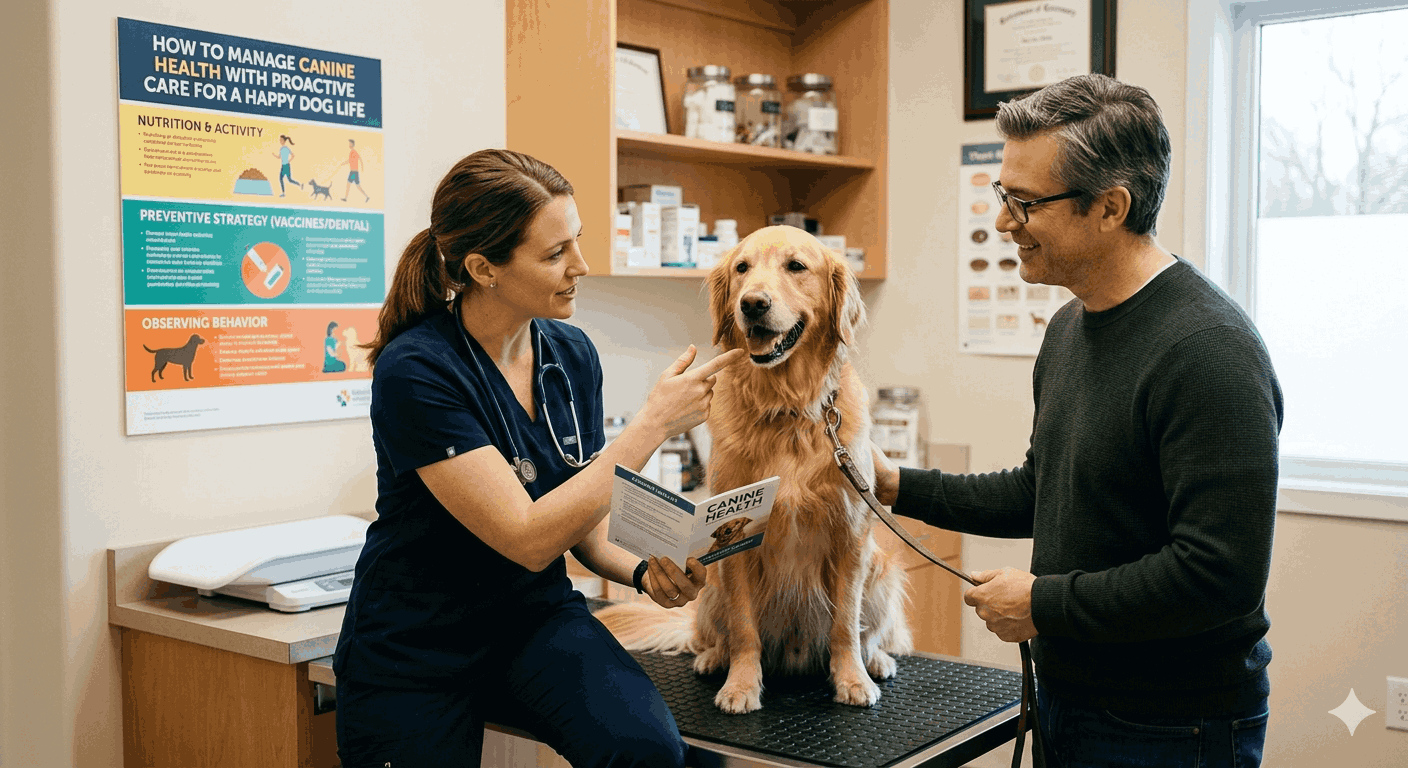
The bond between a person and their dog is one of the most profound connections in life. As a dedicated owner, you naturally want to ensure that your canine companion enjoys every possible year in comfort, vitality, and happiness. Achieving this requires more than just occasional visits to the veterinary clinic; it demands a proactive, multifaceted approach to daily canine health. By understanding the biological, nutritional, and behavioral needs of your pet, you can move from a reactive model of care to a preventative one. This article explores the core pillars of maintaining optimal canine health, providing you with the insights needed to create a flourishing lifestyle for your furry friend. When you focus on small, consistent improvements in diet, activity, and preventative monitoring, you are directly contributing to a higher quality of life for your pet. Throughout this guide, we will examine how environmental factors, nutrition, and routine checkups work together to form a robust shield against common health issues. Our goal is to provide a comprehensive framework that supports your role as the primary guardian of your dog’s wellness.
Prioritizing Nutrition as the Foundation of Canine Health
Nutrition is perhaps the most significant daily influence on long-term canine health. Just as humans thrive on balanced diets, dogs require specific nutrients to maintain their immune systems, energy levels, and coat quality. The market is saturated with various food options, making it challenging for owners to select the best choice. Start by consulting with your veterinarian to determine the specific caloric and nutritional requirements based on your dog’s breed, age, activity level, and medical history. A high-quality diet should contain balanced proteins, healthy fats, and essential vitamins. Avoid low-quality fillers that offer little nutritional value and may lead to weight gain or digestive issues. You should also be mindful of portion control; obesity is a leading cause of preventable diseases in dogs, including diabetes and joint deterioration. By measuring meals accurately rather than relying on free-feeding, you maintain better control over your dog’s weight. Additionally, hydration is a critical, often overlooked aspect of canine health. Ensure that your dog has access to clean, fresh water at all times to support kidney function and digestion. Treats should also be accounted for in the total daily calorie intake to prevent accidental overfeeding. When you treat food as medicine and a tool for longevity, you provide a stable foundation upon which the rest of your dog’s health is built.
Physical Activity and Mental Stimulation for Wellness
A physically active dog is typically a healthier dog. Exercise does more than just keep weight in check; it supports cardiovascular health, strengthens muscles, and improves joint mobility. The type and amount of exercise required vary significantly depending on the age and breed of your canine. A high-energy working breed might require long, intense sessions of running or agility training, while a senior dog or a toy breed may thrive on gentle, consistent walks. Observe your pet during activity to ensure they are not overexerting themselves, especially in extreme weather conditions. Beyond physical movement, mental stimulation is a vital component of canine health. A bored dog can develop behavioral issues that cause stress, which in turn impacts physical well-being. Incorporate puzzle toys, scent games, and new training challenges into your routine. These activities engage the brain, satisfy natural instincts, and deepen the bond between you and your pet. Consistency is key here as well; a stable routine helps reduce anxiety and provides a sense of security. Whether it is an evening walk around the neighborhood or a weekend hiking trip, prioritizing daily movement and play ensures that your dog remains agile and mentally sharp throughout their various life stages.
The Importance of Routine Veterinary Preventative Care
While daily habits are essential, professional medical oversight is irreplaceable in the quest for lasting canine health. Many serious health conditions in dogs, such as dental disease, parasites, or early-stage organ dysfunction, are not immediately apparent to the naked eye. Regular checkups allow your veterinarian to detect subtle changes in your dog’s health before they become severe, life-altering problems. Dental health, in particular, is a critical area often neglected until pain or infection sets in. Periodontal disease is highly prevalent in dogs and can lead to systemic health issues, including heart and kidney complications. Establish a habit of at least brushing your dog’s teeth or using appropriate dental chews, and prioritize professional cleanings as recommended by your vet. Furthermore, vaccination schedules and parasite prevention programs must be strictly followed to protect your pet from common environmental threats. Heartworm, fleas, and ticks are constant risks, and preventative medication is far more effective and affordable than treating an active infestation. Keep a personal health record for your dog, documenting vaccinations, past ailments, and observations about changes in behavior or appetite. This proactive data collection makes your veterinary visits much more productive and ensures that no detail is overlooked in the management of your companion’s health.
Nurturing the Emotional Bond to Boost Canine Health
The link between emotional well-being and physical health is well-documented in human medicine, and it applies just as strongly to our canine companions. A dog that feels secure, loved, and calm is less prone to the physical effects of chronic stress, such as weakened immunity or digestive sensitivities. Spend quality time interacting with your dog in ways that provide comfort and reassurance. This might involve gentle grooming, which serves a dual purpose of bonding and checking the skin for lumps, bumps, or pests. Pay attention to your dog’s emotional cues; if they appear fearful or anxious, try to identify the source of the distress and create a safer environment. Training sessions are also an excellent way to boost confidence. When a dog knows what is expected of them, they feel a sense of accomplishment and reduced uncertainty. Treat your dog as a family member whose emotional state is as important as their physical condition. When you foster an environment of trust and joy, you are actively participating in the creation of a healthy lifestyle that transcends basic physical survival. This emotional harmony makes the daily routines of diet and exercise much easier to manage, as your dog will be more cooperative and engaged in your shared activities.
Building a Sustainable Future for Your Canine Friend
Your commitment to canine health is a journey that evolves as your dog moves from puppyhood to their senior years. By focusing on the fundamentals of quality nutrition, consistent exercise, essential mental engagement, and regular professional care, you are giving your pet the greatest gift possible: a full and comfortable life. The effort you put into preventing health issues today will be rewarded with more years of companionship and joy. Remember that small changes often yield the biggest results over time. Start by evaluating your current routine today and identifying one or two areas where you can improve, whether it is increasing the quality of your dog’s diet, adding a new mental enrichment activity, or scheduling that long-overdue wellness checkup. Your dedication makes a profound difference in the world of your pet. Stay observant, stay consistent, and continue to prioritize the well-being of your canine companion as a fundamental part of your own life. If you feel uncertain about any aspect of your dog’s current health, reach out to your local veterinary clinic to request a comprehensive health assessment this week. Taking that first step today ensures you are on the right path toward helping your dog live their best, healthiest life possible.
Catégories
Lire la suite
Across Kerala,...

Boss farming ties directly into blessing acquisition. The higher your corruption, the faster your stability bar fills, allowing you to fight timeline bosses more frequently. Killing Shades of Last Epoch gold Orobyss increases corruption, which in turn accelerates boss access-a feedback loop that rewards consistent pushing. Empowered timelines are crucial. They skip quest requirements, unlock...

Maintaining a clean and well-organized office is more than a matter of appearances it directly impacts employee health, productivity, and client perception. In Minnesota, businesses across various industries are recognizing the value of professional commercial cleaning services. Whether it’s an office, retail space, or industrial facility, expert cleaning ensures every workspace is...

"Executive Summary Robotic Gripper Market Market Size and Share Forecast CAGR Value The global robotic gripper market size was valued at USD 1.79 billion in 2024 and is expected to reach USD 3.88 billion by 2032, at a CAGR of 10.10% during the forecast period Competitive analysis performed in this Robotic Gripper Market Market report puts forth the...

Entering the job market as a fresh graduate can feel overwhelming, especially in today’s competitive digital landscape. Employers expect more than academic qualifications—they look for practical skills, technical knowledge, and the ability to adapt to fast-changing technologies. This is where software training becomes extremely valuable. With the right training, graduates can...