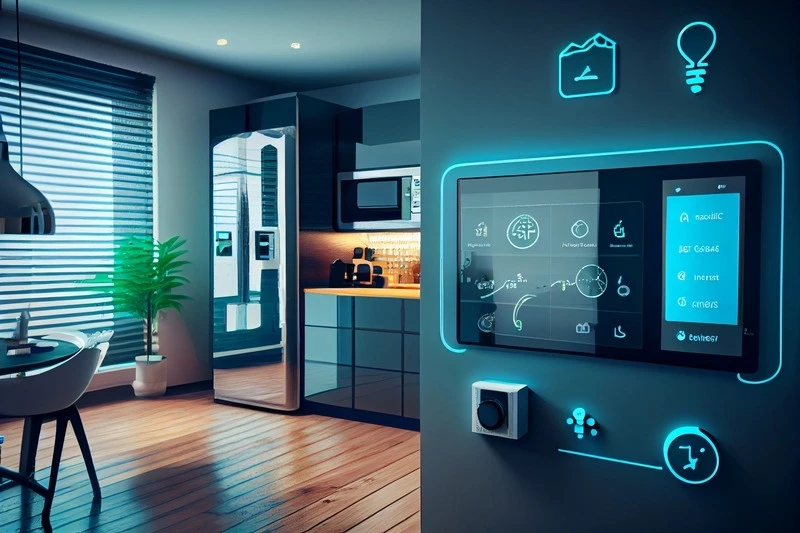
Smart home integration is no longer a futuristic idea reserved for luxury living; it has become a practical and increasingly common way to shape daily life. It refers to the seamless connection of devices, systems, and appliances within a home so they can communicate, respond, and operate in harmony. From lighting and entertainment to security and energy management, smart integration creates a living environment that adjusts to human needs with minimal effort.
The core idea behind this transformation is simplicity. Instead of managing multiple separate controls, users can oversee their home through a single interface or even voice interaction. This shift is changing how people experience comfort, efficiency, and convenience in their personal spaces.
The Foundation of Smart Home Ecosystems
At the heart of smart home integration lies a central system often referred to as a hub. This hub connects various devices and allows them to work together. These devices include lighting systems, thermostats, door locks, cameras, speakers, and household appliances.
What makes this ecosystem powerful is its ability to unify different technologies that would normally operate independently. For example, a morning routine can be programmed so that blinds gradually open, music begins to play softly, and the coffee machine starts preparing a fresh brew. All of this happens without manual intervention, driven by preset preferences and intelligent automation.
The strength of this system lies in communication. Devices share information in real time, responding to changes in environment or user behavior. Over time, many systems also learn patterns, improving responsiveness and personalization.
Everyday Convenience Through Automation
One of the most appreciated aspects of smart home integration is convenience. Daily tasks that once required multiple steps can now be completed automatically or with a single command. Lighting adjusts based on time of day, temperature settings adapt according to occupancy, and entertainment systems respond instantly to user preferences.
This convenience extends beyond simple comfort. It helps reduce repetitive actions, allowing individuals to focus more on meaningful activities. For families, it simplifies routines such as bedtime preparation, morning schedules, or managing multiple rooms simultaneously.
Even small improvements add up significantly. A home that adjusts itself to personal habits creates a smoother and more enjoyable lifestyle experience.
Enhanced Home Security and Awareness
Security is a major driving force behind the adoption of smart home integration. Modern systems provide real-time monitoring and alerts that keep homeowners informed about what is happening inside and around their property.
Smart cameras offer live viewing from mobile devices, while motion sensors detect unusual activity and trigger notifications. Door and window sensors help track entry points, ensuring awareness at all times. Smart locks allow controlled access without traditional keys, reducing the risk of unauthorized entry.
The combination of these features creates a layered approach to home awareness. Instead of reacting after an incident, homeowners are informed instantly, allowing for quicker response and better peace of mind.
Energy Management and Sustainable Living
Smart home integration also plays an important role in managing energy usage efficiently. Intelligent systems can monitor consumption patterns and adjust device operation accordingly. Lighting can dim or turn off in empty rooms, and climate control systems can adjust based on occupancy and time schedules.
Over time, this leads to more efficient use of resources. Homes become more aware of their own consumption habits and adapt to reduce unnecessary usage. This not only helps lower utility expenses but also supports more responsible living practices.
Appliances connected within the system can also be scheduled to operate during optimal times, balancing comfort with efficiency. The result is a home that is both responsive and mindful of resource usage.
Entertainment and Personalized Experiences
Entertainment systems are among the most enjoyable aspects of smart home integration. Users can create personalized environments for watching movies, listening to music, or gaming. Audio and visual systems can synchronize across rooms, creating a unified experience throughout the home.
Voice commands or mobile controls make it easy to switch between activities without interruption. A living room can instantly transform into a cinema-like environment with adjusted lighting, screen settings, and sound configuration.
The personalization aspect is especially important. Systems learn user preferences over time, suggesting content or adjusting settings automatically based on habits. This creates a more immersive and tailored entertainment experience.
Voice Control and Natural Interaction
One of the most transformative features in smart home integration is voice control. Instead of using switches or remotes, users can communicate directly with their home systems using natural speech. This makes interaction more intuitive and accessible for people of all ages.
Voice assistants can perform a wide range of tasks, from adjusting room settings to providing weather updates or managing schedules. Over time, these systems improve their understanding of language patterns, making interactions smoother and more accurate.
This natural form of communication reduces complexity and enhances the feeling of living in a responsive environment rather than operating multiple devices separately.
Interconnectivity Between Devices
The real strength of smart home integration lies in interconnectivity. Devices are not just individually smart; they are part of a larger coordinated system. When one action occurs, it can trigger a chain of responses across the home.
For example, leaving the house might automatically lock doors, turn off lights, adjust temperature settings, and activate monitoring systems. Similarly, arriving home can trigger welcome settings such as lighting activation and preferred music playback.
This level of coordination creates a smooth transition between different states of daily life, reducing manual effort and increasing overall efficiency.
Learning Behavior and Adaptive Systems
Modern smart homes are not static. They continuously learn from user behavior and adapt accordingly. Over time, systems recognize patterns such as preferred room temperatures, daily schedules, and frequently used devices.
This learning capability allows the home to anticipate needs rather than simply respond to commands. For instance, if a user regularly dims lights at a certain time, the system may begin doing it automatically. This adaptive behavior enhances comfort while reducing the need for repeated input.
The more the system is used, the more refined its responses become, creating a truly personalized living environment.
Accessibility and Inclusive Living
Smart home integration also offers significant benefits for accessibility. Individuals with mobility or physical limitations can control their environment more easily through voice commands or automated systems.
Tasks that might otherwise require physical effort can be managed through simple interactions. Doors, lighting, entertainment, and communication systems can all be controlled remotely or automatically.
This inclusivity makes smart homes valuable not just for convenience but also for improving quality of life for a wide range of users.
Challenges and Considerations in Smart Living
While smart home integration offers many benefits, it also comes with considerations. One of the key challenges is ensuring compatibility between different devices and systems. Not all technologies work seamlessly together, which can create limitations in setup.
Another consideration is the learning curve associated with setting up and managing these systems. Although they are designed to simplify life, initial configuration may require time and understanding.
Dependence on connectivity is also an important factor. Since many features rely on network communication, maintaining stable performance is essential for consistent functionality.
The Future of Intelligent Homes
The future of smart home integration points toward even greater automation and intelligence. Homes are expected to become more predictive, understanding user needs before they are expressed. Systems will likely become more unified, reducing fragmentation between different brands and technologies.
As innovation continues, homes will evolve into environments that not only respond to human presence but actively enhance comfort, efficiency, and lifestyle quality. The line between technology and living space will continue to blur, creating environments that feel increasingly natural and intuitive.
Conclusion
Smart home integration represents a major shift in how people interact with their living spaces. It brings together convenience, security, efficiency, and personalization into a single connected system. By allowing devices to communicate and adapt, it creates a home that responds intelligently to daily life.
As technology continues to evolve, these systems will become even more refined, offering deeper levels of automation and personalization. The result is a living environment that supports comfort, simplifies routines, and enhances the overall experience of home life without unnecessary complexity.