How Brass Hot Die Forging Machine Supports Industrial Components
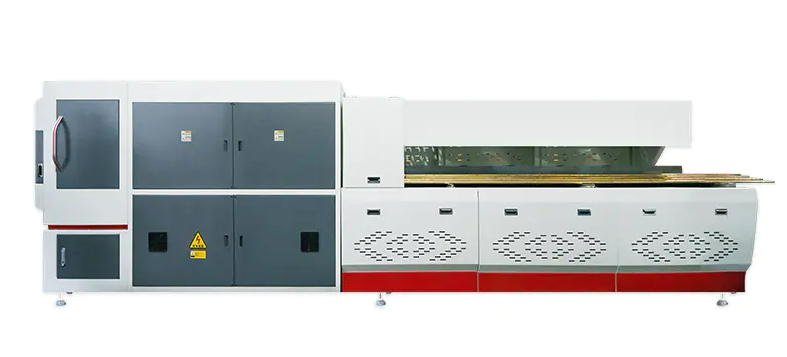
Brass manufacturing processes continue to develop as industries demand stable dimensions, repeatable shapes, and efficient production methods. Among the technologies used in metal processing, the Brass Hot Die Forging Machine plays an important role in shaping brass materials into useful parts for different applications. Components produced through this process can be found in plumbing systems, hardware products, automotive fittings, electrical connectors, and industrial equipment.
A Brass Hot Die Forging Machine works by heating brass material to a controlled temperature before placing it into specially designed dies. Pressure is then applied so the heated metal flows into the shape created by the tooling cavity. Since brass becomes more workable when heated, the material can fill complex shapes while maintaining structural consistency.
The process begins with raw brass rods or billets. These materials are cut into specific sizes depending on the required part dimensions. Before entering the forging stage, the brass pieces pass through heating equipment that raises the material temperature to a level suitable for deformation. Temperature control remains important because excessively high temperatures may affect surface conditions, while insufficient heat may reduce material flow.
Once the heated material reaches the Brass Hot Die Forging Machine, the die system closes under pressure. During this stage, the metal gradually fills the die cavity and forms the intended geometry. Excess material may appear around the edges and can later be trimmed. After forging, the parts often continue to machining, polishing, or surface treatment processes depending on product requirements.
One advantage of the Brass Hot Die Forging Machine is its ability to produce components with relatively uniform characteristics. Since the forging process changes the internal structure of the material, parts may show improved mechanical behavior compared with some casting methods. This characteristic makes forged brass components suitable for products exposed to pressure, repeated use, or changing environmental conditions.
Manufacturers also consider production efficiency when selecting equipment. Modern machine systems may include automatic feeding units, temperature monitoring devices, and programmable controls. These additions can help reduce manual handling while supporting consistent operation during extended production periods.
Another factor influencing production quality is die design. The shape and dimensions of the tooling directly affect material flow patterns. Engineers often evaluate draft angles, cavity depth, and stress distribution before finalizing die structures. Careful design helps reduce unnecessary material waste and supports smoother processing.
As industries continue developing new products, the Brass Hot Die Forging Machine remains a practical solution for producing brass parts with controlled dimensions and adaptable manufacturing capability.
Categorias
Leia Mais
1. A Vision Rooted in Nature and Trust OneEarth Properties has established itself as a forward-thinking real estate brand that blends sustainability, transparency and long-term value. With a strong commitment to responsible development, the company focuses on creating spaces that harmonize with nature while meeting modern lifestyle expectations. Their philosophy is simple yet powerful...

The Herbal Supplements Market is witnessing strong revenue growth fueled by product innovation and digital transformation. As consumer expectations evolve, companies are leveraging research, advanced extraction techniques, and online retail platforms to expand their reach and improve customer experience. One of the most significant drivers of innovation is the increasing demand for herbal...
In an increasingly competitive marketplace, businesses need innovative ways to capture attention and communicate with their audiences. Traditional advertising methods are no longer enough to stand out in busy commercial areas. Digital display technology has transformed outdoor advertising by delivering vibrant visuals, dynamic content, and real-time messaging. If you're searching for reliable...

According to a new report from Intel Market Research, the global robotic dog market was valued at USD 240 million in 2025 and is projected to grow from USD 286 million in 2026 to USD 759 million by 2034, exhibiting a robust CAGR of 19.4% during the forecast period. Robotic dogs, also known as quadruped robots, are bio-inspired mobile robots designed to replicate the movement and functionality...
Automobile transport has become an essential service for individuals, businesses, and vehicle dealerships across India. Whether you're relocating to a new city, purchasing a vehicle from another state, or transporting a luxury car, professional automobile transport services provide a safe, convenient, and cost-effective solution. Driving a vehicle over long distances can lead to fuel expenses,...