SPARK Matrix™: Digital Asset Management – Transforming Enterprise Content Operations
In today’s digital-first business environment, organizations are producing an unprecedented volume of digital content across marketing, sales, customer engagement, and operational functions. From videos and presentations to product images, social media assets, and creative files, enterprises are struggling to manage and organize their growing content ecosystems efficiently. As businesses accelerate digital transformation initiatives and customer engagement strategies, the need for intelligent content management solutions has become more critical than ever. This is where QKS Group's Digital Asset Management (DAM) Market research becomes highly relevant for enterprises navigating the evolving digital landscape.
Digital Asset Management (DAM) platforms have evolved from simple storage repositories into intelligent enterprise solutions capable of streamlining complex content workflows, enabling seamless collaboration, and improving digital asset accessibility across organizations. Modern DAM solutions empower businesses to centralize their digital assets, automate workflows, enhance metadata management, and ensure content consistency across multiple channels and geographies.
The increasing importance of personalized customer experiences and omnichannel marketing strategies is driving the rapid adoption of DAM platforms globally. Organizations today need the ability to create, store, manage, and distribute digital content efficiently while maintaining brand consistency and operational agility. Without an effective DAM strategy, businesses often face challenges such as duplicated content, inefficient workflows, poor version control, and delays in content delivery.
One of the primary factors fueling market growth is the growing complexity of digital content ecosystems. Enterprises are now managing thousands of digital assets across departments, regions, and platforms. Traditional file storage systems are no longer capable of supporting the scalability, accessibility, and intelligence required in modern enterprise environments. DAM platforms address these challenges by offering centralized asset storage, structured metadata management, and advanced search functionalities that allow users to locate and distribute content quickly and accurately.
Another significant driver of the DAM market is the integration of artificial intelligence and automation technologies. Leading vendors are increasingly embedding AI-powered capabilities such as automated tagging, facial recognition, content categorization, and predictive analytics into their DAM platforms. These intelligent functionalities significantly reduce manual effort, improve search accuracy, and optimize content workflows. AI-driven DAM solutions can automatically analyze and classify assets, enabling enterprises to improve productivity and accelerate time-to-market for marketing campaigns and digital initiatives.
Cloud adoption is also reshaping the Digital Asset Management landscape. As enterprises continue migrating workloads to cloud environments, cloud-based DAM platforms are gaining strong traction due to their scalability, flexibility, and remote accessibility. Cloud-native DAM solutions support distributed teams and hybrid work environments by enabling secure collaboration and real-time access to digital assets from any location. This has become especially important as organizations embrace remote work models and globalized operations.
Furthermore, enterprises are increasingly focusing on delivering seamless and consistent customer experiences across multiple touchpoints. DAM solutions play a crucial role in ensuring that marketing teams, creative professionals, and sales departments have access to approved and up-to-date content assets. By streamlining asset management and distribution processes, DAM platforms help organizations strengthen brand governance and improve operational efficiency.
The competitive landscape of the DAM market continues to evolve rapidly as vendors focus on innovation, AI integration, workflow automation, and enhanced interoperability with enterprise applications. Vendors are enhancing their solutions with advanced analytics, API-driven integrations, customizable workflows, and enhanced security features to address diverse industry requirements. As a result, enterprises now have access to highly scalable and flexible DAM platforms capable of supporting complex digital ecosystems.
A major highlight of QKS Group's Digital Asset Management (DAM) Market research is its in-depth evaluation of global market trends, emerging technologies, competitive positioning, and future market outlook. The research provides strategic insights that help technology vendors better understand evolving customer expectations and market opportunities while enabling enterprises to evaluate vendor capabilities, competitive differentiation, and innovation strategies.
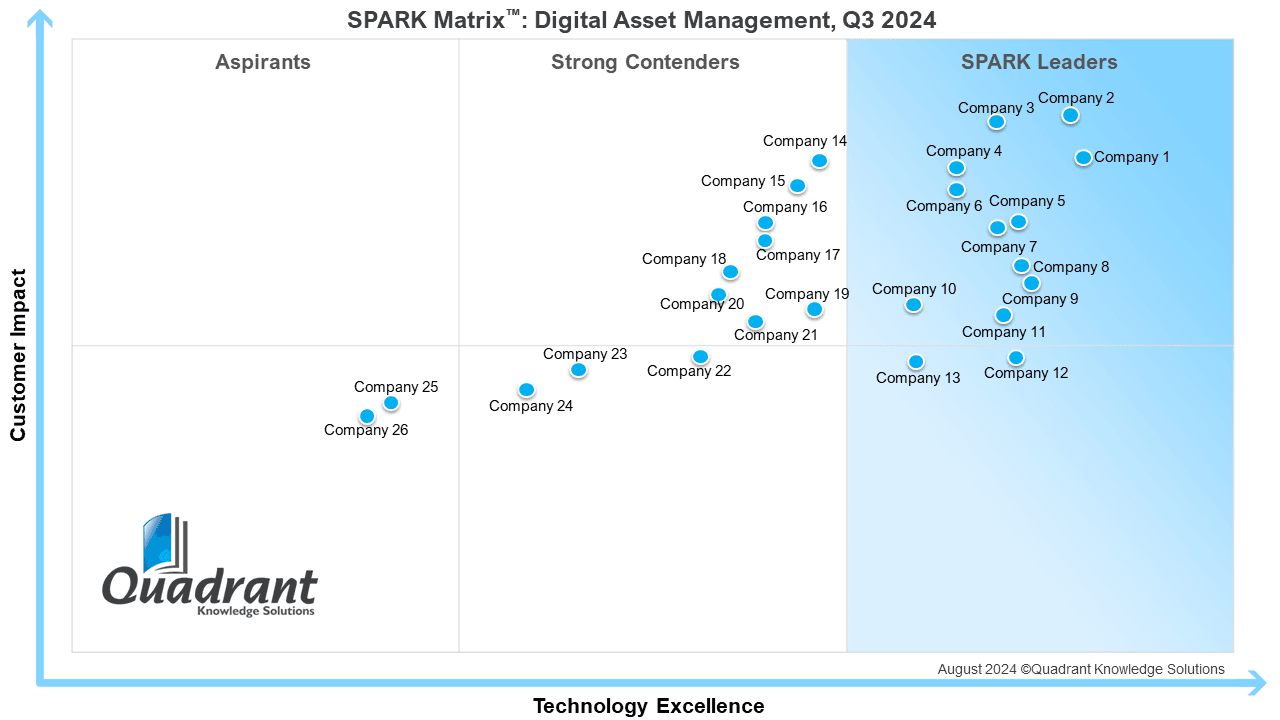
The study includes comprehensive vendor analysis through the proprietary SPARK Matrix™ framework, which ranks and positions leading Digital Asset Management vendors based on technology excellence and customer impact. The SPARK Matrix™ serves as a valuable decision-support tool for enterprises seeking to identify the most suitable DAM vendors for their business requirements.
The vendor evaluation includes prominent companies such as Adobe, Aprimo, Bynder, Censhare, KeyShot, MediaBeacon, OpenText, Orange Logic, Sitecore, Smartsheet, Tenovos, Wedia, and WoodWing. These vendors are shaping the future of digital content management by continuously enhancing their DAM capabilities and innovation strategies.
As enterprises continue investing in digital transformation and content-driven customer engagement, the demand for advanced DAM solutions is expected to grow significantly. Emerging technologies such as generative AI, intelligent automation, augmented reality content, and predictive analytics will further enhance the capabilities of DAM platforms in the coming years.
Organizations are increasingly recognizing that effective digital asset management is no longer just a content storage function but a strategic business capability that drives operational efficiency, collaboration, brand consistency, and customer engagement. Enterprises that adopt intelligent DAM platforms can accelerate content delivery, improve workflow efficiency, reduce operational costs, and strengthen competitive advantage in rapidly evolving digital markets.
Ultimately, QKS Group's Digital Asset Management (DAM) Market research highlights the critical role DAM platforms play in enabling enterprises to manage digital complexity, support agile marketing operations, and deliver superior digital experiences. As content volumes continue to rise and customer expectations evolve, DAM solutions will remain a foundational technology for organizations seeking scalable, intelligent, and future-ready content management strategies.
Catégories
Lire la suite
Echozen is a hearing support supplement designed for adults in the USA who experience ringing, buzzing, or other unwanted ear sounds often associated with tinnitus. These symptoms can make it harder to concentrate, sleep, or enjoy daily conversations. Echozen is formulated to support auditory balance and help promote clearer sound processing, allowing for improved focus and daily comfort....

"Code Promo 1Win 2026 – Bonus 500% jusqu'à 1025 $ Le code promo pour 1Win : 1W2026VIP, qui fournit aux nouveaux membres un bonus de 500 % jusqu'à la valeur de 1025$. En matière de paris sportifs, 1Win dispose d'un excellent sportsbook. La sélection de disciplines sportives n'est pas limitée aux plus populaires et inclut plus de 30 positions. Cashback...

Di era digital saat ini, minat terhadap hiburan online terus bertambah. Salah satu nama yang cukup populer oleh para penggemar permainan angka adalah situs OLXTOTO. Sebagai website toto terpercaya yang menawarkan berbagai pilihan permainan menarik, OLXTOTO hadir dengan fitur modern, serta kemudahan penggunaan bagi para pengguna. Mengapa Memilih OLXTOTO? OLXTOTO dikenal sebagai platform toto...

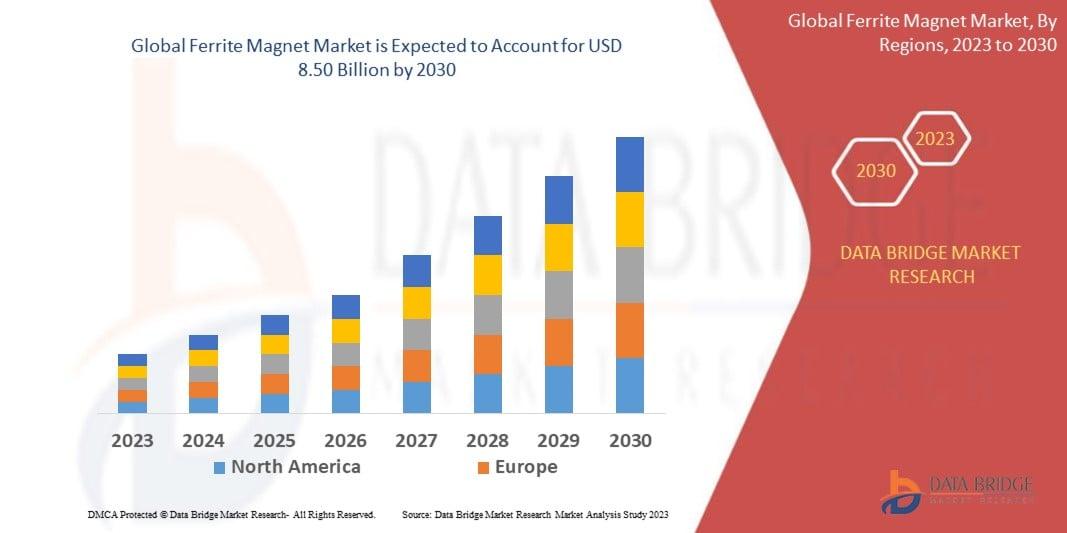
According to the latest report published by Data Bridge Market Research, the Ferrite Magnet Market Data Bridge Market Research analyses that the global ferrite magnet market which was USD 7.48 billion in 2022, is expected to reach USD 8.50 billion by 2030, growing at a CAGR of 1.6% during the forecast period of 2023 to 2030. “Soft ferrites magnets” segment dominates the...
Kith is a leading name in premium quality streetwear in the USA. The brand is known for its clean designs, high-quality fabric, and modern style. Kith clothing is made for people who want a premium look without sacrificing comfort. The brand offers a wide range of streetwear essentials that are perfect for daily use, from hoodies to sweatshirts and casual wear. Streetwear fashion is not...