Beyond the Otoscope: The Clinical and Financial Case for Digital ENT Cameras
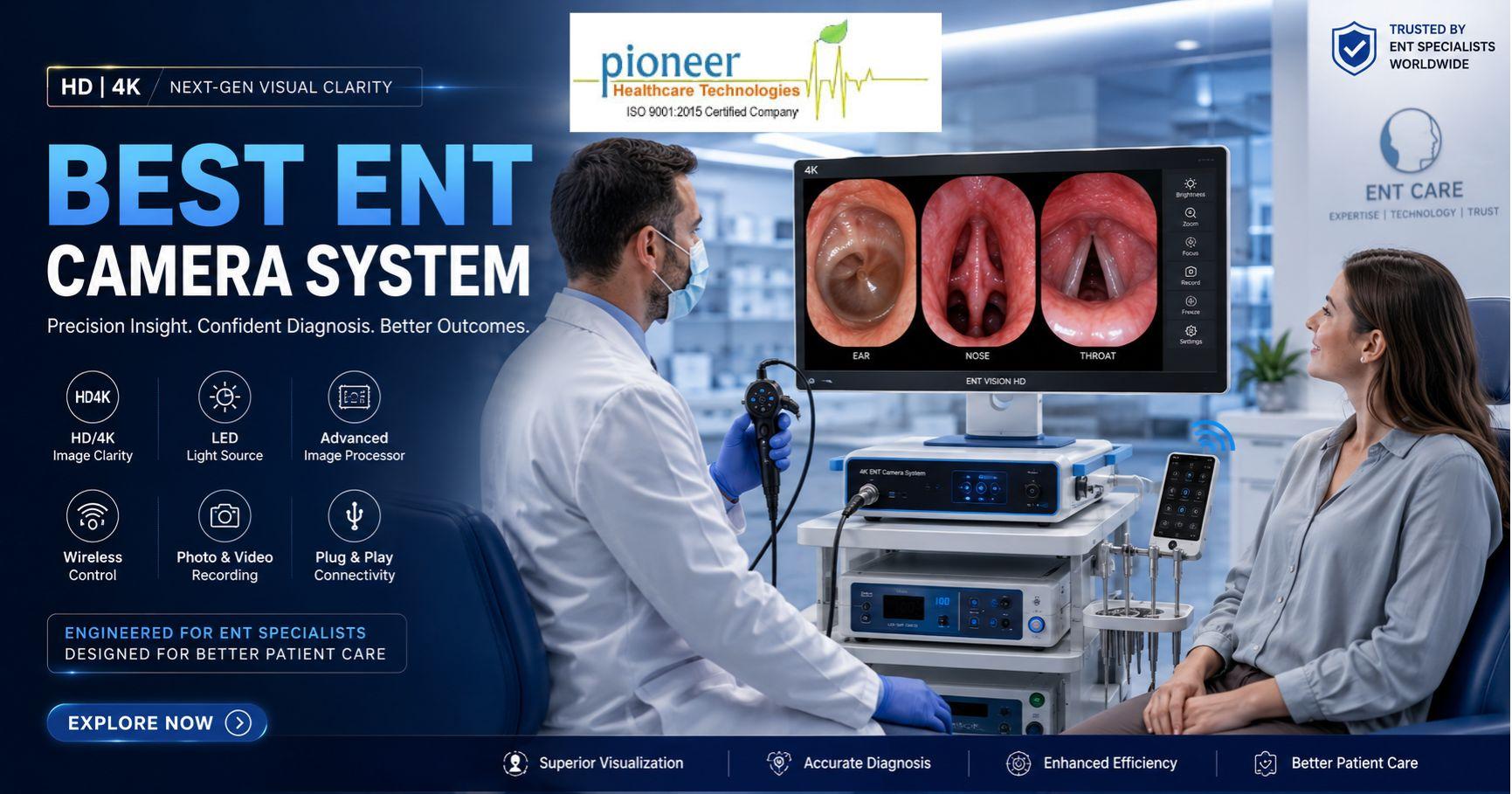
The landscape of otolaryngology is undergoing a quiet revolution. For generations, the pocket otoscope, a handheld light, and a head mirror were the undisputed emblems of the ENT specialist. While these tools served the medical community well for decades, they belong to an era of analog medicine. The modern ENT practice faces a different set of demands: higher patient volumes, strict compliance mandates for digital documentation, and a patient base that expects transparent, visual communication regarding their health.
Meeting these modern demands requires a shift toward advanced visualization. High-definition digital ENT camera systems have rapidly transitioned from a luxury upgrade to a foundational clinical necessity. If you are a practitioner or clinic manager weighing the impact of this transition, reading about the Medical ENT Camera: Benefits of Digital ENT Camera Systems provides a comprehensive look at how this technology optimizes daily diagnostic operations and raises the standard of patient care.
Elevating Clinical Accuracy where It Matters Most
The anatomical structures of the ear, nose, and throat are notoriously difficult to navigate. Deep nasal passages, the subglottic space, and the complex curves of the middle ear require not just light, but high-contrast, magnified illumination to be evaluated accurately.
Digital ENT cameras equipped with modern image sensors (such as CMOS or CCD) deliver unparalleled clarity. They allow clinicians to differentiate between subtle tissue variations, identify early-stage vocal cord lesions, and map micro-vascular patterns that indicate chronic inflammation or malignancy. When you can see a structure magnified twenty times on a medical-grade monitor, the margin for diagnostic error shrinks dramatically.
The Patient Psychology of Visual Evidence
One of the most profound, yet frequently overlooked, benefits of digital imaging is its impact on patient compliance. In a traditional setup, a doctor looks into a patient’s ear, makes a diagnosis, and prescribes a treatment plan. The patient must rely entirely on blind trust.
With a digital ENT camera system, the dynamic changes completely. By displaying the live endoscopic feed on a monitor, the patient sees exactly what the doctor sees—whether it is a perforated tympanic membrane, a severe septal deviation, or obstructing nasal polyps. When a patient visually confronts the root cause of their symptoms, their anxiety decreases, their trust in the physician increases, and their adherence to medical or surgical recommendations rises exponentially.
Streamlining the Workflow and EHR Compliance
In today's regulatory environment, if a procedure isn't documented digitally, it effectively didn't happen. Digital camera systems bridge the gap between clinical examinations and Electronic Health Records (EHR).
With a single button press on the camera head, an ENT specialist can freeze a frame, capture a high-resolution photo, or record a video loop of a flexible laryngoscopy. These digital assets are seamlessly exported directly into the patient's electronic file. This creates an undeniable paper trail that simplifies:
-
Longitudinal Tracking: Easily comparing images from six months ago to analyze post-surgical healing or medical efficacy.
-
Insurance Approvals: Providing clear visual proof of a condition to justify surgical interventions or specialized prescriptions to insurance adjusters.
-
Inter-Colleagial Referrals: Sharing clear, uncompressed diagnostic files with speech pathologists, oncologists, or neurosurgeons instantly.
Conclusion
Upgrading to a digital ENT camera system is far more than a hardware replacement; it is an investment in the long-term viability, efficiency, and clinical reputation of your practice. By moving beyond legacy, analog visualization tools, modern clinics ensure superior diagnostic precision, foster deeper patient relationships, and establish an automated, future-proof digital workflow.
Visit full blog:- ENT camera
Nach Verein filtern
Read More
Hoodies That Turn Minimalism into Art. Stussy Milano Hoodie In a world dominated by bold prints, loud logos, and over-the-top designs, minimalism has emerged as a breath of fresh air in fashion. When it comes to hoodies, this understated approach to design turns simple garments into art. Minimalist hoodies focus on clean lines, subtle details, and a less-is-more philosophy, allowing the...

If you want to transform your backyard into a relaxing retreat without committing to constructing a built-in pavilion, consider introducing a Waterproof Pop Up Gazebo as your base structure. Then add a Gazebo With Netting to create a comfortable outdoor room: shielded, breathable, and insect-aware. There’s something compelling about having an outdoor “room” that...

Tashan GAME Invite Code – A Complete Guide to Registration and Access You can learn about the Tashan GAME Invite Code, how to register and how to access your account. We will also cover the login process, features, safety tips and how to use the platform smoothly. A lot of people are looking for information about the Tashan GAME Invite Code. They want to know how to register create...

Sometimes you see an image of a building or object so sharp it feels like reality. Not tricks - just skill from studios shaping thoughts into visuals using digital tools. Where imagination meets software, concepts become something eyes trust instantly. Picture makers blending art with precision to show ideas clearly without confusion. From sketches to lifelike scenes built inside computers....

Insect repellents are substances applied to skin, clothing, or surfaces to deter insects such as mosquitoes, ticks, flies, and bugs from landing or biting. Data Bridge Market Research analyses that the insect repellent market which was USD 7,095.21 million in 2022, would boost up to USD 1,1308.69 billion by 2030, and is expected to undergo a CAGR of 6.00% during the forecast period. They...