The Ultimate travel Guide to Holidays to Kerala India
India is a massive, beautiful country that tops the bucket list of millions of travelers every year. However, if you are a first-time visitor from a Western nation, navigating the fast-paced and crowded cities of Northern India can feel a bit overwhelming. The intense traffic, noise, and sheer volume of people can make your dream vacation feel more like an exhausting test. If you want a soft, gentle landing into Indian culture without the stress, you should look directly toward the tropical south. Choosing a southern route lets you ease into the country's rhythm at your own speed while enjoying a highly comfortable, safe, and peaceful vacation environment.
Planning holidays to Kerala India is the perfect way to experience a slower, calmer side of this diverse nation. Locals proudly call this coastal state "God's Own Country," a nickname that perfectly captures its lush landscapes and tranquil atmosphere. It is a unique land filled with quiet coconut palm trees, giant networks of interconnected water canals, and an incredible colonial history. Unlike other parts of India, life here moves to the steady rhythm of the tides and the gentle breeze off the Arabian Sea. By choosing this destination, you get to explore deep historical roots, try world-class local food, and enjoy a deeply relaxing environment all at the same time.
This comprehensive guide will show you exactly how to plan your trip using accurate, verified facts from official tourism boards and meteorological logs. We will break down the absolute best things to see in the cultural hubs, trace the fascinating histories of local landmarks, and help you decide exactly when you should book your flight. By building a clear understanding of the state's layout and seasonal weather changes, you can design a flawless itinerary that avoids the common pitfalls of international travel. Let's dive into the essential details that will make your journey down south an unforgettable and incredibly smooth experience.
When is the Best Time to Plan Your Kerala India Holidays?
Kerala stays warm all year because it sits right in the tropical zone of Southern India, just a few degrees north of the equator. However, the weather changes quite a bit depending on the month, turning the landscape into completely different experiences as the seasons shift. Choosing the right season will make your trip much more comfortable, allowing you to explore historical sites without battling extreme heat or getting stuck in heavy downpours. Understanding these shifts is key to matching your personal travel style with the local climate.
The Peak Season (December to February)
This window is widely considered the best time for Kerala holidays, especially for travelers arriving from colder Western winters. The heavy monsoon rains have completely cleared out, leaving behind beautifully dry air, clear blue skies, and significantly lower humidity levels. According to climate logs from the Official India Meteorological Department, winter temperatures here hover comfortably between 24-degree C and 30-degree C. This mild climate makes it incredibly easy to walk around and explore historical towns, hike through mountain trails, or spend a perfectly breezy afternoon relaxing on the deck of a traditional wooden houseboat.
The Shoulder Season (September to November & March to April)
If you want to avoid large crowds of international tourists and secure better prices on boutique hotels, the shoulder months are a great option. September and October come right after the heavy summer rains, meaning the entire state looks bright green, waterfalls are full, and the air feels crisp and fresh. On the other hand, March and April get progressively hotter and more humid as summer approaches, but this remains a fantastic time for hitting the beaches. Choosing the shoulder season requires a bit more flexibility with afternoon humidity, but it rewards you with a much quieter and more private travel experience.
The Monsoon Season (June to August)
Kerala receives heavy, dramatic rainfall during these summer months as the southwest monsoon sweeps across the Indian Ocean. It is certainly not an ideal time for regular sightseeing, as heavy downpours can disrupt road travel and outdoor beach activities. However, traditional Indian wellness centers state that the cool, humid, and completely dust-free monsoon air opens up the skin's pores, making it the absolute best time to experience authentic Ayurvedic health therapies. If your primary goal is physical rejuvenation, deep tissue massages, and wellness rituals, booking a trip during the rainy season can be an incredibly rewarding choice.
Fort Kochi: The Cultural Gateway of Your Holidays to Kerala
Most international travelers start their southern journey in Fort Kochi, a quiet, historic neighborhood tucked away inside the larger port city of Kochi. It serves as the perfect entry point for Western visitors planning holidays to kerala because it seamlessly combines a rich global history with a laid-back lifestyle. Since it served as an ancient spice trading hub for centuries, it became a unique melting pot where European history beautifully mixes with Indian traditions. Walking down its streets feels entirely different from anywhere else in India, as the architecture tells the fascinating story of various empires that arrived by sea.
Historic Sites You Can Walk To
Fort Kochi is exceptionally safe, calm, and highly walkable, allowing you to easily see several historical buildings in a single morning without needing a car. You can wander along shaded avenues lined with old colonial bungalows and discover how different nations left their permanent mark on the coast. It is an ideal spot for slow exploration:
- St. Francis Church: Built by Portuguese Franciscan friars in 1503, this quiet structure is officially the oldest European-built church in India. The famous Portuguese explorer Vasco da Gama was originally buried here for 14 years after he died in Kochi in 1524, and you can still view his open burial stone inside the hall. Entry is entirely free to the public, offering a solemn look back into the age of global exploration.
- Santa Cruz Basilica: Located just a short walk away, this gorgeous Roman Catholic cathedral features a grand white Gothic exterior that stands out against the tropical sky. Inside, the church is famous for its bright pastel interiors, stunning stained-glass windows, and beautiful, intricate murals painted across the ceiling. It remains an active place of worship and a monumental piece of architectural history.
- Mattancherry Palace: Also widely known as the Dutch Palace, this fascinating building was constructed by the Portuguese in 1555 as a peace offering to the local King of Kochi. According to historical records from Kerala Tourism, it is world-famous for its well-preserved, colorful wall murals that use natural plant dyes to depict ancient Indian epics. Entry for adults is just 5 INR, it is closed on Fridays, and it features an incredible floor made from mixed egg whites, charcoal, and lime juice.
Exploring Jew Town and Cultural Hubs
A short auto-rickshaw ride away from the main fort area takes you directly into Jew Town, the historic heart of the local spice trade. This narrow street smells amazing, filling the air with the rich scents of ginger, cardamom, cloves, and premium local tea leaves. It is lined with fascinating antique shops where you can browse old brass items, carved wooden temple pieces, and vintage jewelry. At the far end of the street sits the Paradesi Synagogue, built in 1568, which is the oldest active synagogue in the Commonwealth. Visitors must enter barefoot to admire its magnificent Belgian glass chandeliers and thousands of hand-painted porcelain floor tiles brought all the way from China in the 18th century.
The Perfect Evening Plan
As the sun starts to go down, walk over to the coastal pathway to see the giant Chinese Fishing Nets dipping into the water. These massive wooden structures, balanced by heavy boulders, have been operated by teams of local fishermen using the exact same mechanical balance system since the 14th century. They look incredible silhouetted against a golden sunset, making it the most famous view in the entire city. It is a wonderful place to sit back, feel the ocean breeze, and watch local life unfold along the waterfront.
After dark, book a ticket at a local theater to see a traditional Kathakali performance, which is an ancient storytelling dance native to Kerala. Kathakali is a highly stylized dance-drama where actors wear massive layered skirts, heavy wooden crowns, and vibrant, natural facial paint. The performance uses complex hand gestures and intense eye movements to tell stories of heroes, gods, and demons from classic literature. If you arrive an hour before the show begins, you can sit quietly and watch the actors apply their elaborate makeup on stage.
To give you a quick summary of what makes this neighborhood so unique, Fort Kochi is best defined by its historic, seaside, and highly walkable atmosphere. The ultimate, must-see icon of the area is the giant Chinese Fishing Nets, which beautifully line the coast. As you explore, you will constantly notice the key European influences left behind by the Portuguese, Dutch, and British empires. Fortunately, because the streets are so calm and compact, the absolute best way to travel locally is simply by walking or catching a quick, traditional auto-rickshaw ride.
The Western-Friendly Cafe Culture
Fort Kochi stands out to international visitors because of its amazing boutique art cafe culture, which seamlessly blends modern creativity with historical spaces. These spots are peaceful oases where you can escape the afternoon heat to enjoy an excellent iced latte, fresh wood-fired pizza, or a healthy vegan breakfast. Places like David Hall Art Cafe—a beautifully restored 350-year-old Dutch bungalow—and Kashi Art Cafe double as vibrant galleries that showcase contemporary paintings and sculptures from local Indian artists. They provide a comfortable, clean, and relaxing environment to write in your travel journal, read a book, and enjoy world-class hospitality.
More Amazing Things to Do on Holidays to Kerala
While Fort Kochi is a wonderful starting point for your vacation, you should definitely explore other distinct regions of the state to get a full experience. Kerala is geographically diverse, meaning you can travel from sea level to high-altitude mountains in just a few hours of driving. Each region offers a completely different landscape, local climate, and set of activities for travelers. Merging these different stops into your trip ensures you experience the true variety of the southern coast.
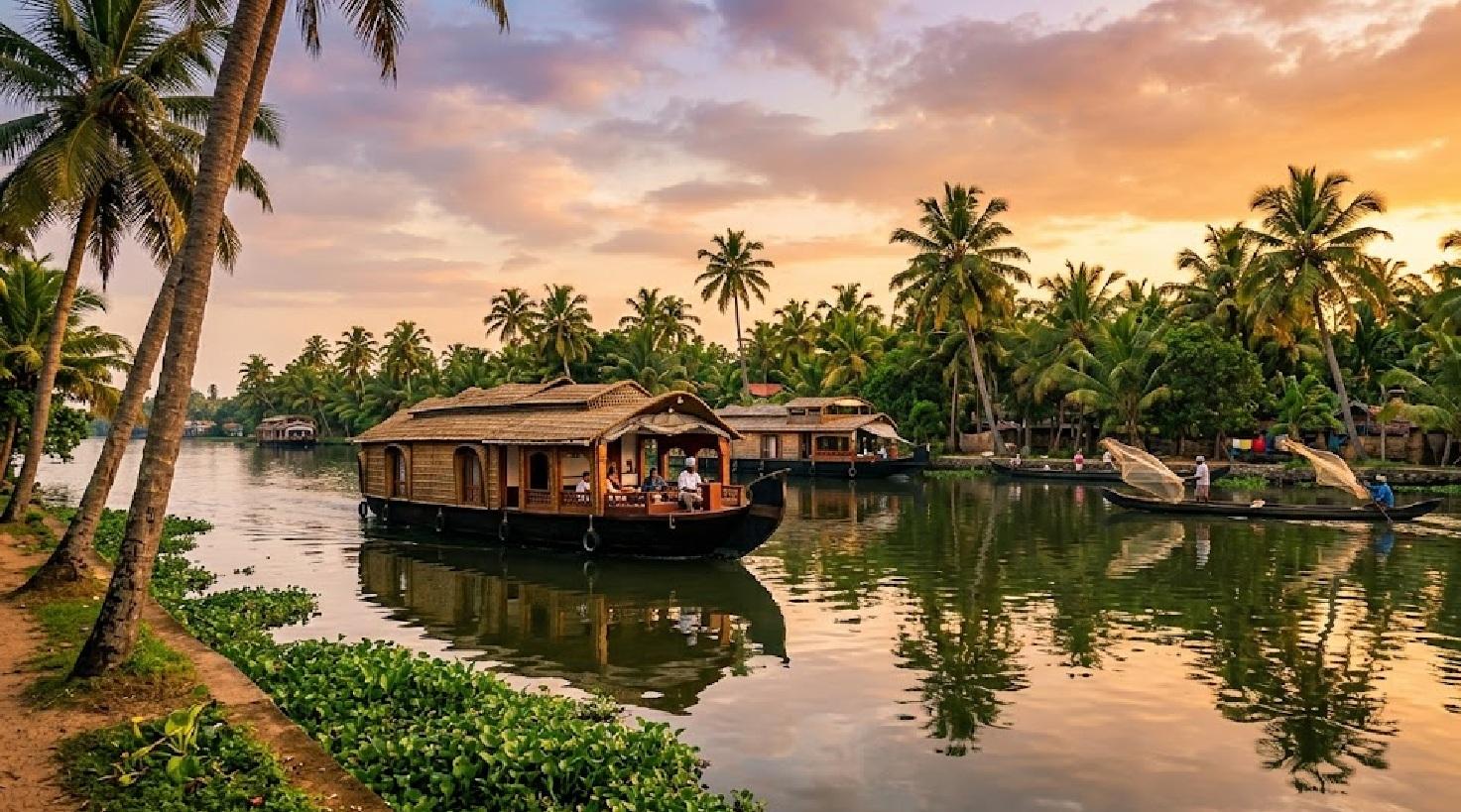
- Cruise the Backwaters: Head southeast to Alleppey or Kumarakom to rent a traditional luxury houseboat, known locally as a kettuvallam. These large wooden boats drift slowly down quiet, palm-fringed canals, allowing you to watch rural village life pass by from the comfort of a private deck. Most rentals include a private captain and a personal chef who cooks fresh, authentic local meals right on the boat as you cruise.
- Walk Through Tea Gardens: Travel up into the Western Ghats mountain range to a beautiful hill station called Munnar, which sits over 5,000 feet above sea level. The cool, crisp mountain air feels incredibly refreshing after spending time on the coast, and the rolling hills look like giant green carpets covered in neatly trimmed tea leaves. You can tour historic tea factories, learn how tea is processed, and hike along scenic ridges that are often blanketed in soft morning mist.
- Spot Wild Elephants: Visit the Periyar Wildlife Sanctuary located in the mountain district of Thekkady, a protected reserve famous for its biodiversity. You can take a guided boat ride across the large artificial lake at the center of the park to spot herds of wild elephants, bison, wild boars, and rare tropical birds coming down to the water's edge. The surrounding town is also famous for its spice plantations, where you can take walking tours to see how black pepper, vanilla, and cinnamon grow in the wild.
Kerala offers a beautiful, peaceful, and culturally rich holiday experience that avoids the frantic pace of typical tourist tracks. It allows you to connect deeply with history, nature, and friendly local communities at a relaxed pace. This balance of comfort and authenticity ensures that the memories of your journey down south stay with you long after you return home.
Nach Verein filtern
Read More
Netflix, the global leader in streaming entertainment, is intensifying its focus on content from Germany. Announced by Kelly Luegenbiehl, Vice President of Original Series for Europe, the company is set to develop and produce five new German-origin series scheduled to debut in 2019. These titles will be accessible across more than 190 countries where Netflix operates, emphasizing its...

The latest financial figures from Netmarble reveal a notable shift in regional earnings. Revenue generated in North America has exceeded that from the Korean market for the quarter. This suggests that, for this period, players in the Americas contributed more financially than those in the company's domestic base. While a single quarter does not confirm a lasting trend, it highlights the...

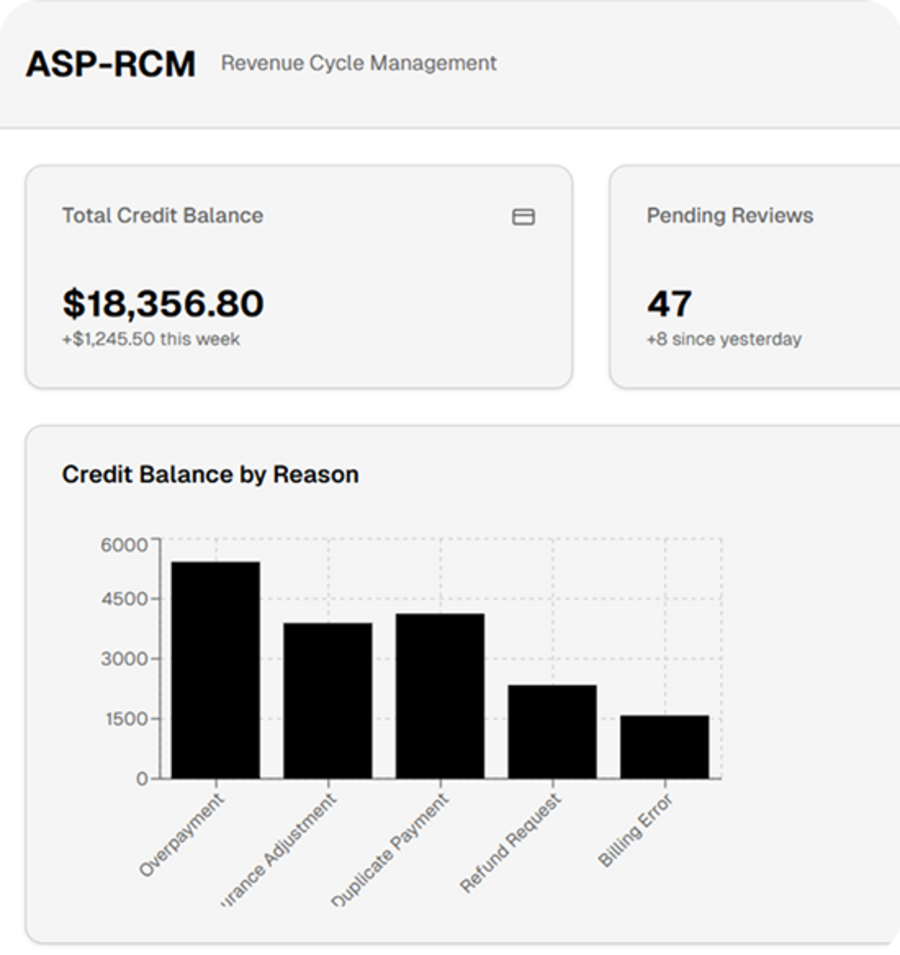
Understanding the Credit Balance Process in Medical Billing In medical billing, a credit balance occurs when a healthcare account shows an excess payment — meaning the payer, whether a patient or insurance company, has paid more than what is owed. Proper handling of credit balances is critical, as mismanagement can lead to compliance issues, financial losses, and patient...
Netflix is bringing the beloved world of 'The Sandman' to the screen. The series will adapt Neil Gaiman's groundbreaking DC comic, promising to weave modern myth with dark fantasy. It will follow the journey of Morpheus, the Dream King, as he corrects errors across cosmic and human realms. Allan Heinberg serves as writer, showrunner, and executive producer. He is joined by executive producers...

NCLEX review courses online have transformed how nursing graduates prepare for licensure. Instead of relying only on printed notes or rigid classroom schedules, candidates now engage with structured digital learning that fits around clinical duties, work hours, and personal commitments. This shift has allowed preparation to become more practical, consistent, and aligned with real nursing...