


How Mobile Refraction Technology Expands Access to Vision Care
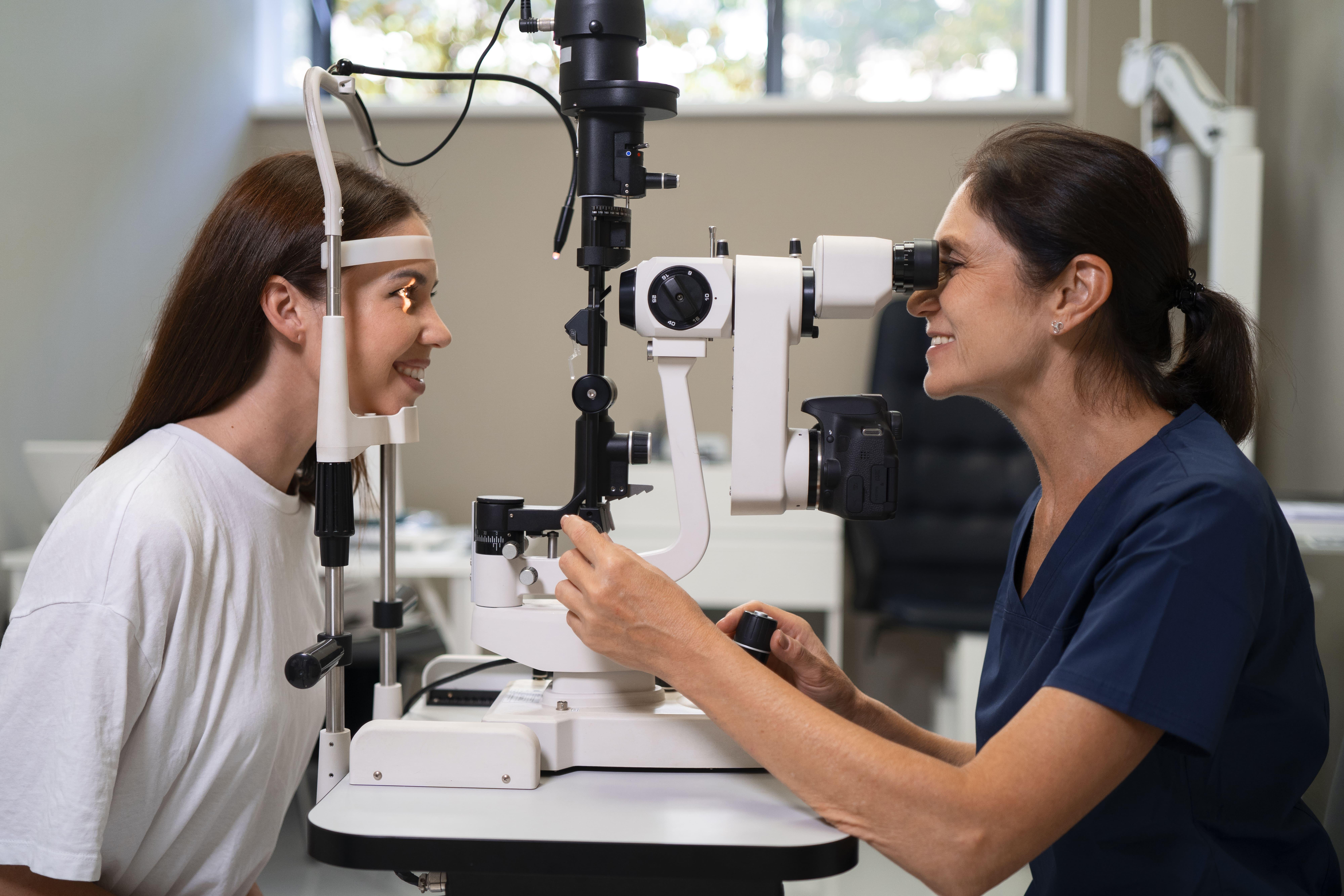
Access to quality vision care remains a major challenge for many communities, especially in remote regions and underserved populations where specialized ophthalmic services may not always be available. Early detection of refractive abnormalities and routine eye examinations are essential for maintaining long-term visual health, yet many individuals face difficulties reaching hospitals or specialized eye clinics because of transportation barriers, limited healthcare infrastructure, or shortage of diagnostic resources. Mobile refraction technology is helping bridge this gap by bringing advanced ophthalmic diagnostics directly into communities that need accessible eye care services.
Modern mobile ophthalmic systems have transformed the way refractive evaluations are conducted during outreach healthcare programs, community eye camps, school screenings, and preventive healthcare initiatives. These portable systems combine automated refractive analysis, compact design, and reliable diagnostic performance to support efficient eye examinations outside traditional clinical settings. Mobile refraction technology allows healthcare providers to perform accurate vision assessments while improving workflow flexibility and patient accessibility across diverse healthcare environments.
As healthcare systems continue emphasizing preventive eye care and community-based healthcare delivery, mobile ophthalmic diagnostics are becoming increasingly important for expanding access to vision services and improving long-term visual healthcare outcomes.
Importance of Accessible Vision Care
Vision care accessibility plays a critical role in identifying refractive errors and visual abnormalities before they begin affecting education, workplace performance, and overall quality of life. Routine eye examinations help clinicians recommend corrective solutions early and reduce the risk of untreated visual conditions.
Accessible vision care supports:
-
Early refractive error detection
-
Better preventive ophthalmic care
-
Improved public awareness regarding visual health
-
Faster referral for advanced treatment
-
Reduced risk of progressive vision problems
Expanding access to ophthalmic services helps strengthen long-term community eye health management.
Challenges in Traditional Eye Care Delivery
Many rural and underserved communities lack permanent ophthalmic facilities and advanced diagnostic infrastructure. Traditional diagnostic systems are often large and designed for fixed clinical environments, making them less practical for mobile healthcare services.
Common challenges include:
-
Limited access to specialized eye clinics
-
Transportation difficulties for patients
-
Delays in routine eye examinations
-
Lack of permanent diagnostic facilities
-
Reduced access for elderly and pediatric patients
Mobile ophthalmic technology helps address these limitations by enabling flexible and efficient vision screening services across multiple healthcare environments.
Evolution of Mobile Refraction Technology
Advancements in ophthalmic engineering have significantly improved the portability and efficiency of refractive diagnostic systems. Modern mobile ophthalmic devices combine advanced optics, automated refractive analysis, and lightweight structures that support efficient eye care delivery outside traditional hospitals and clinics.
Modern mobile systems offer:
-
Compact and lightweight design
-
Automated refractive measurements
-
Faster examination procedures
-
Improved usability during outreach services
-
Reliable diagnostic consistency
These technological advancements allow clinicians to conduct professional ophthalmic evaluations efficiently during community healthcare programs and mobile screening initiatives.
Role of Refractive Assessment in Preventive Eye Care
Refractive evaluation is one of the most important components of preventive ophthalmic care because it helps identify visual abnormalities before they progress further. Accurate refractive assessment allows healthcare providers to recommend appropriate corrective measures and improve long-term visual management.
Refractive assessment supports evaluation of:
-
Nearsightedness
-
Farsightedness
-
Astigmatism
-
Refractive balance
-
Visual alignment conditions
Detailed refractive measurements strengthen diagnostic confidence and improve preventive healthcare strategies during outreach ophthalmic services.
Supporting Efficient Community Vision Screening
One of the biggest advantages of mobile refraction technology is its ability to perform rapid and accurate eye examinations during outreach healthcare programs. Automated systems improve screening efficiency while helping clinicians manage large patient volumes more effectively.
In ophthalmic practice, understanding factors related to autorefractometer price becomes important for healthcare providers seeking portable diagnostic systems that support accurate refractive measurements, outreach vision screenings, school eye camps, preventive ophthalmic assessments, pediatric evaluations, and community healthcare initiatives where flexibility and efficient diagnostic performance are essential.
Reliable refractive documentation supports improved clinical decision-making and strengthens long-term patient management.
Improving Accessibility for Rural and Underserved Communities
Mobile ophthalmic systems significantly improve healthcare accessibility by bringing professional eye care services directly into local communities. Outreach healthcare teams can perform refractive evaluations without requiring patients to travel long distances for routine examinations.
Improved accessibility supports:
-
Community-based vision screening
-
Better patient participation in eye care programs
-
Faster refractive evaluations
-
Increased awareness regarding visual health
-
Improved continuity of preventive ophthalmic care
These improvements help healthcare providers strengthen long-term visual healthcare services across underserved populations.
Enhancing Workflow Efficiency During Outreach Programs
Community healthcare programs often require clinicians to examine large numbers of patients within limited timeframes. Mobile refraction systems help streamline workflows by reducing examination time and improving operational efficiency during outreach services.
Improved workflow efficiency supports:
-
Faster patient examinations
-
Reduced waiting times
-
Better outreach program organization
-
Improved patient management
-
Increased productivity during vision screening programs
Efficient examination workflows help healthcare providers deliver timely ophthalmic care more effectively during mobile healthcare initiatives.
Supporting Pediatric and Elderly Eye Care
Children and elderly individuals may require simplified and efficient ophthalmic examinations because prolonged testing procedures can sometimes reduce patient cooperation. Mobile diagnostic systems help improve comfort and simplify refractive evaluation procedures for these patient groups.
Benefits during specialized screenings include:
-
Reduced examination fatigue
-
Faster refractive assessment
-
Better patient cooperation
-
Improved comfort during testing
These advantages help clinicians perform reliable eye examinations more efficiently during outreach healthcare services.
Importance of Reliable Refractive Documentation
Consistent refractive documentation is essential for monitoring prescription changes and identifying progressive visual abnormalities during follow-up evaluations. Modern mobile ophthalmic systems allow clinicians to maintain organized refractive records efficiently during community healthcare initiatives.
Long-term refractive monitoring supports:
-
Identification of prescription changes
-
Better visual management
-
Improved treatment planning
-
Enhanced continuity of care
Maintaining accurate refractive records strengthens examination quality and improves patient management procedures.
Contribution of Advanced Ophthalmic Solutions
The quality of mobile ophthalmic services depends greatly on the diagnostic systems used during outreach healthcare programs. High-performance vision testing equipment provides accurate measurements, efficient workflows, and reliable examination performance during refractive evaluation procedures.
Matronix Optotechnik offers advanced ophthalmic diagnostic solutions designed to support precise refractive evaluation and efficient outreach clinical workflows. Their automated and portable ophthalmic systems are developed with modern optical technology that enables clinicians to achieve accurate refractive measurements, streamlined examination performance, and improved diagnostic confidence during community healthcare initiatives and preventive eye care programs.
Future Advancements in Mobile Ophthalmic Technology
Technological advancements continue improving mobile ophthalmic diagnostic capabilities and outreach healthcare efficiency. Artificial intelligence, digital integration, advanced optical systems, and automated analysis technologies are helping clinicians perform eye examinations with greater speed and precision.
Future developments are expected to improve:
-
Examination accuracy
-
Workflow automation
-
Portable healthcare accessibility
-
Long-term refractive monitoring
These innovations will continue strengthening community ophthalmic care and improving patient outcomes worldwide.
Conclusion
Mobile refraction technology has become essential for expanding access to vision care because it improves accessibility, strengthens preventive ophthalmic services, and supports efficient refractive evaluation across underserved communities. Advanced portable diagnostic systems allow clinicians to provide reliable eye examinations while maintaining high standards of diagnostic accuracy and workflow productivity during outreach healthcare programs.
With continued advancements in ophthalmic technology, mobile refraction solutions will remain critical for improving early diagnosis efforts, expanding access to eye care services, and delivering better visual healthcare outcomes across diverse healthcare environments.
Categorii
Citeste mai mult
According to the latest report published by Data Bridge Market Research, the Recycled Plastic Market The global recycled plastic market size was valued at USD 43.17 billion in 2024 and is expected to reach USD 30.12 billion by 2032, at a CAGR of 4.6% during the forecast period Packaging plays an important role as plastic packaging in food packaging,...

In New World, mounts are a highly sought-after feature, as they provide not only a faster way to travel across the expansive map but also a sense of prestige and style. Among the various mounts available in the game, the Wolf Mount stands out as one of the most coveted. This mount is not only fast and New World Gold functional but also visually striking, making it a desirable addition to any...

When it comes to modern streetwear, comfort and style go hand in hand. That is exactly why Trapstar have become a favorite choice among fashion lovers around the world. Whether you are heading out with friends, relaxing on the weekend, or creating a trendy everyday outfit, these shorts deliver the perfect combination of premium comfort and urban appeal. Their stylish designs,...

A modern Bathroom Glass Door can completely change the look and feel of your bathroom. Whether you are renovating a small apartment bathroom or upgrading a luxury master suite, a Bathroom Glass Door adds elegance, functionality, and a spacious appearance. Today, homeowners prefer a Bathroom Glass Door because it creates a sleek and contemporary atmosphere while allowing natural light to flow...

Large rooms often feel more inviting when thoughtfully decorated, and Oversized Rugs play an important role in creating that welcoming atmosphere. Covering a generous section of the floor, these rugs help establish visual harmony while making spacious interiors feel more connected. Whether placed beneath a sectional sofa, extending across a dining area, or filling an elegant reception...