How Airbnb Clone Apps Help Startups Validate Business Ideas Faster
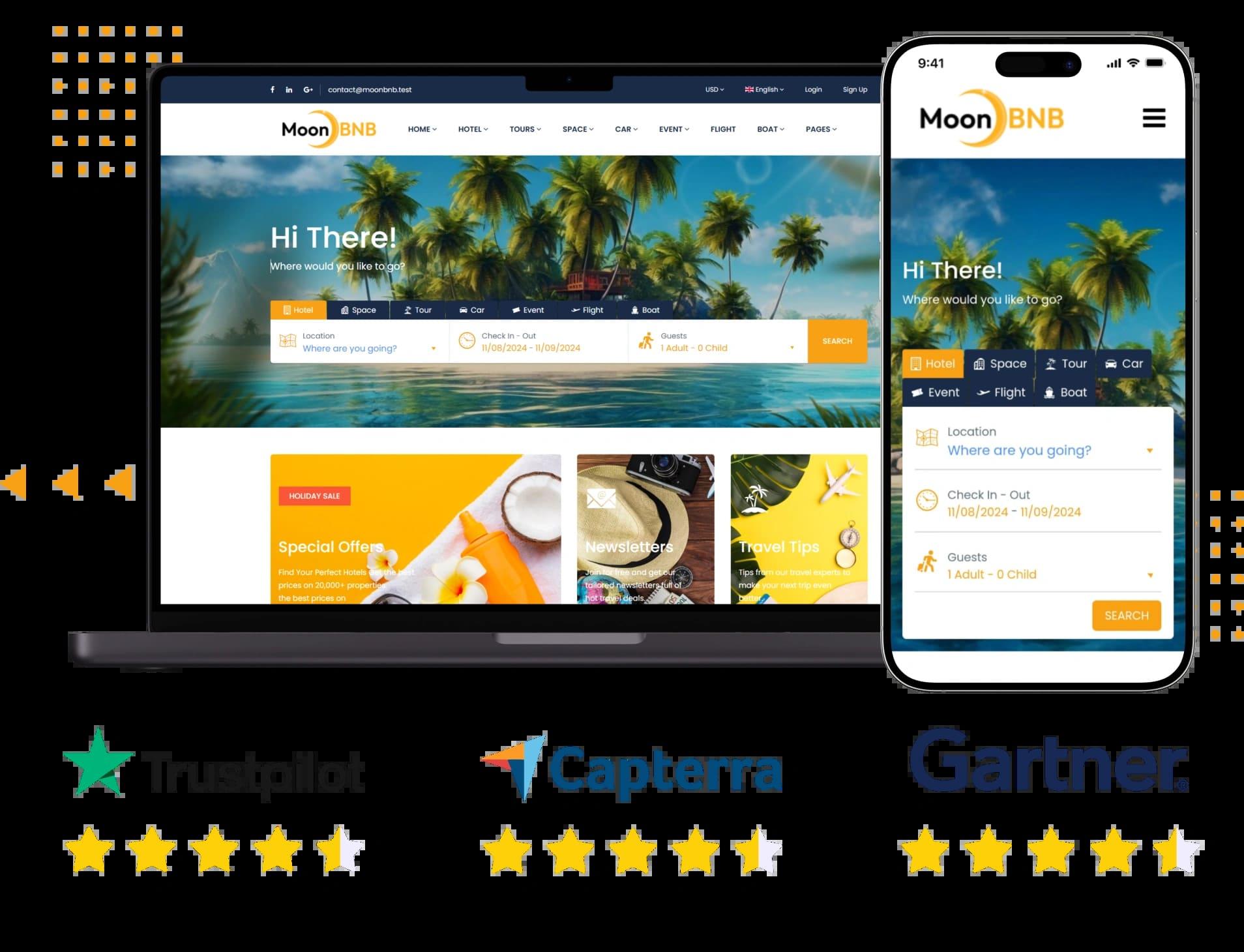
Launching a startup in the travel or rental industry can be risky. Many entrepreneurs invest heavily in development before knowing whether users actually want their platform. This is one reason why Airbnb clone apps are becoming popular among startups and small businesses.
Instead of spending months building a marketplace from scratch, businesses can launch quickly, test demand, and improve their platform based on real user feedback.
The Problem With Building From Scratch
Creating a rental marketplace requires much more than designing a website. Businesses need to develop:
- Property listing systems
- Booking management
- Payment processing
- User authentication
- Messaging features
- Review systems
- Admin dashboards
Each feature requires testing, maintenance, and continuous updates. For startups with limited budgets, this process can delay launch timelines and increase operational pressure.
For example, imagine a startup planning to launch a marketplace for mountain cabin rentals. If the business spends a year building custom software but later discovers low demand in its target region, the investment becomes difficult to recover.
This is where clone solutions help reduce risk.
Faster Product Validation
One of the biggest advantages of Airbnb clone apps is speed. Businesses can launch a functional marketplace quickly and begin validating whether users are interested in the concept.
For instance:
- A company testing luxury villa rentals can monitor how many users complete bookings.
- A regional homestay platform can analyze which destinations receive the most attention.
- A niche travel startup can study whether users prefer short-term or long-term stays.
Instead of relying on assumptions, startups can make decisions using real customer behavior.
Understanding Customer Preferences Early
Early market validation helps businesses understand what users actually need.
For example, after launching an MVP (minimum viable product), a startup may discover:
- Users care more about mobile booking speed than advanced design.
- Travelers prefer instant booking over manual host approval.
- Hosts want automated pricing tools to simplify property management.
These insights help businesses prioritize the right improvements instead of wasting resources on unnecessary features.
Easier Testing for Different Niches
Airbnb clone apps are flexible enough to support multiple rental categories. Businesses can experiment with different ideas without rebuilding the entire platform.
Examples include:
- Vacation rentals
- Corporate stays
- Student accommodations
- Pet-friendly rentals
- Adventure tourism stays
- Eco-tourism properties
A startup can even test multiple niches in different cities before expanding globally.
Lower Initial Investment
Many startups fail because they overspend before generating revenue. Clone solutions reduce initial development costs, allowing businesses to allocate resources toward:
- Marketing campaigns
- Host acquisition
- Customer support
- SEO and content marketing
- User experience improvements
For example, instead of spending the entire budget on custom coding, a business can invest in attracting high-quality property hosts to strengthen the marketplace early.
Real-World Example of Marketplace Validation
Consider a startup planning to create a platform for remote-work-friendly stays. Rather than building advanced AI systems immediately, they can first launch with:
- Basic property listings
- Workspace filters
- Wi-Fi quality information
- Monthly booking options
After launch, they can track:
- Which locations attract digital nomads
- Average booking duration
- Most searched amenities
- Customer reviews and complaints
This data becomes valuable for future platform improvements.
Important Challenges Beyond Technology
Although Airbnb clone apps simplify development, startups still need strong business strategies. Common challenges include:
- Building trust among users
- Attracting reliable property hosts
- Managing customer disputes
- Competing with established platforms
- Following local regulations for short-term rentals
Technology provides the foundation, but long-term success depends on operations, marketing, and customer satisfaction.
The Future of Rental Marketplace Platforms
The rental marketplace industry continues to evolve with trends such as:
- AI-powered recommendations
- Contactless check-ins
- Smart pricing systems
- Experience-based travel bookings
- Sustainable and eco-friendly stays
Businesses that adapt to changing traveler expectations will have better opportunities for growth.
Final Thoughts
Airbnb clone apps help startups reduce risk by enabling faster launches, lower development costs, and easier business validation. Instead of waiting years to perfect a platform, businesses can enter the market early, collect user feedback, and improve gradually based on real demand.
For many entrepreneurs, this approach provides a more practical path toward building scalable rental marketplaces in a competitive industry.
Categorieën
Read More
Shipboard Incineration Market plays a significant role in supporting cleaner and more efficient maritime operations. Effective waste treatment solutions help vessels comply with environmental regulations. The market is expanding as shipping companies prioritize sustainable practices. New technologies are improving operational efficiency and reducing environmental impact. Industry...

According to the latest report published by Data Bridge Market Research, the Bio-Renewable Chemicals Market The global bio-renewable chemicals market size was valued at USD 15.64 billion in 2025 and is expected to reach USD 34.41 billion by 2033, at a CAGR of 10.36% during the forecast period The market growth is largely fueled by the increasing shift...

Polaris Market Research has published a brand-new report titled Emollients In Personal Care Market Size, Share, Trends, Industry Analysis Report By Product (Green, Silicone Fluids, Mineral Oils, & Others), and By Region – Market Forecast, 2025–2034 that includes extensive information and analysis of the industry dynamics. The opportunities and challenges in the...
The modern D2C Ecommerce Market Platform is the essential technological engine that has democratized the ability for any entrepreneur to launch and scale a global brand from their laptop. These platforms have evolved from simple website builders into sophisticated, all-in-one command centers for digital commerce. At their core, they provide a comprehensive suite of tools that handle...

Bongdata – Nhịp cầu kết nối người hâm mộ với bóng đá Việt Nam (V-League) Bóng đá nước nhà đang chứng kiến sự khởi sắc mạnh mẽ với sự đầu tư từ các câu lạc bộ và sự phát triển của các thế hệ cầu thủ trẻ. Bongdata hiểu rõ tình yêu của người Việt đối với bóng đá nội, vì vậy...