To most, CNC machining is a world of cold algorithms, flying coolant, and the piercing shriek of metal being torn. But to the craftsman, the path a milling cutter takes across a metal surface is not merely a process—it is a precise act of artistic creation.
Just as painting is divided into the bold strokes of oil and the delicate washes of ink, the craft of milling is defined by two core movements: Climb Milling and Conventional Milling. This choice is more than a technical direction; it is a fundamental artistic stance.
Climb Milling: The Minimalist Flow
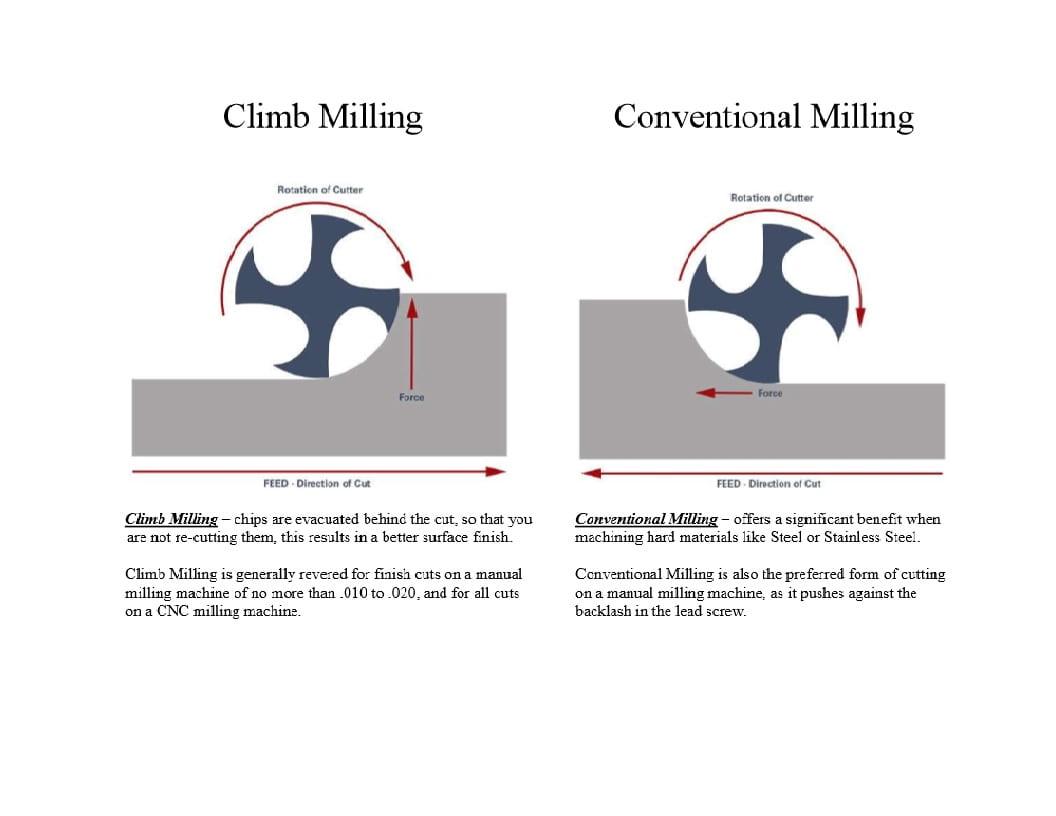
Climb milling is the darling of modern industrial art. In this method, the cutter rotates in the same direction as the feed, essentially "climbing" over the material.
-
The Master’s Stroke: Like a calligrapher who lands their brush with full intent, the cut begins at its maximum thickness. It meets the material with authority and then tapers away to nothingness. This "thick-to-thin" chip formation ensures that the tool spends no unnecessary time rubbing against the surface.
-
The Grace of Restraint: Because the cutting force is directed downward, it presses the workpiece firmly against the machine bed. This is an art of composure—shaping the material with a gentle yet firm hand, preserving the integrity of the tool and leaving behind a surface finish so smooth it mirrors the precision of the mind that conceived it.
Conventional Milling: Classical Resilience
In contrast to the fluidity of climb milling, conventional milling embodies a classical tenacity. Here, the cutter rotates against the direction of the feed, moving "up-hill" against the metal.
-
The Overture of Friction: Conventional milling does not rush. The chip begins at zero thickness and grows as the tooth engages. Before the actual cut begins, the tool rubs against the surface—a prelude that creates heat and resistance. It is like the repetitive sketching a painter does before the final oils are applied.
-
The Tension of Defiance: This method generates an upward force, attempting to "lift" the workpiece. It is an art of conflict, a testament to the machine’s power over raw, unyielding material. On older, less rigid machines with the "uncertainty" of backlash, this traditional rhythm finds its own unique balance and stability.
The Choice: Balancing Precision and Chaos
A true artist never relies on a single technique.
When the goal is a flawless Surface Finish—that silky, industrial aesthetic where light glides without interruption—we choose Climb Milling. It is the pursuit of modern perfection.
However, when faced with the heavy history of castings or forgings—surfaces layered with tough oxidation or "black skin"—we return to Conventional Milling. It is a pragmatic art, carving out a path where the environment is hostile and the equipment requires a seasoned touch.
"Milling is not simple subtraction; it is the sculpting of form within a physical reality. Every choice of direction is a balance of force, heat, and beauty."
Brought to you by FH Tool | Reliable Carbide Solutions for the Art of Machining