


Top Uses of Bacteriostatic Water in Modern Healthcare
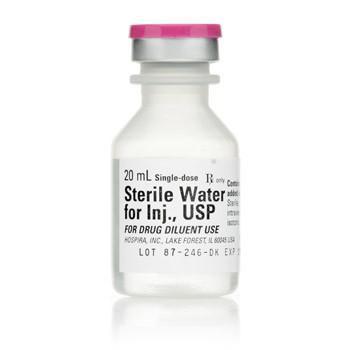
In modern healthcare, precision, safety, and efficiency are critical especially when it comes to preparing and administering medications. Among the many sterile solutions used in clinical environments, bacteriostatic water plays a unique and often underappreciated role. While it may seem like a simple sterile liquid, its properties make it highly valuable in a range of medical applications.
This article explores the key uses of bacteriostatic water, its relevance in today’s healthcare systems, and its growing importance in Australia’s men’s health landscape.
What Is Bacteriostatic Water?
Bacteriostatic water is a sterile solution that contains a small amount of a preservative, typically benzyl alcohol. This additive inhibits the growth of bacteria, allowing the solution to be used multiple times within a specific period under proper storage conditions.
Unlike standard sterile water, which is intended for single-use only, bacteriostatic water is designed for repeated access. This makes it particularly useful in clinical and outpatient settings where medications may need to be prepared in multiple doses.
Why Is It Important in Healthcare?
The presence of a bacteriostatic agent helps reduce the risk of microbial contamination after the vial has been opened. This contributes to:
-
Improved patient safety
-
Reduced medical waste
-
Greater efficiency in medication preparation
These benefits are especially important in healthcare systems like Australia’s, where maintaining high standards of hygiene and cost-efficiency is essential.
1. Reconstitution of Injectable Medications
One of the most common uses of bacteriostatic water is the reconstitution of powdered medications. Many drugs are manufactured in a lyophilised (freeze-dried) form to improve shelf life and stability. Before administration, they must be mixed with a sterile liquid.
Bacteriostatic water is often used for this purpose because:
-
It allows multiple doses to be drawn from a single vial
-
It maintains sterility over repeated use
-
It reduces the need for multiple single-use vials
This application is particularly relevant in hormone therapies, peptide-based treatments, and certain antibiotics, which are sometimes prescribed in men’s health management.
2. Use in Hormone Therapy and Men’s Health Treatments
In Australia, awareness of men’s health issues such as testosterone deficiency, metabolic health, and age-related conditions has grown significantly. Some treatment protocols involve injectable medications that require careful preparation.
Bacteriostatic water is commonly used to dilute or prepare these medications before injection. Its multi-use capability makes it practical for ongoing therapies that require consistent dosing over time.
While patients typically do not handle these preparations themselves, understanding the role of such solutions can improve health literacy and encourage informed discussions with healthcare providers.
3. Dilution of Medications for Accurate Dosing
Accurate dosing is essential in medical care. Some medications are too concentrated in their original form and must be diluted before administration.
Bacteriostatic water is used to:
-
Adjust drug concentration to safe levels
-
Enable precise measurement of smaller doses
-
Support individualised treatment plans
This is particularly important in chronic disease management, where dosing must be tailored to the patient’s condition, body weight, and response to treatment.
4. Application in Clinical and Outpatient Settings
Hospitals, clinics, and outpatient facilities frequently rely on bacteriostatic solutions to streamline workflows. The ability to use a single vial multiple times reduces preparation time and minimises interruptions in patient care.
In busy healthcare environments, this translates to:
-
Faster medication preparation
-
Reduced supply usage
-
Improved operational efficiency
Australian healthcare providers, known for their emphasis on quality and safety, often incorporate such solutions into standard clinical practices.
5. Role in Peptide and Research-Based Therapies
Although still an evolving area, peptide-based therapies and research treatments are gaining attention in medical science. These treatments often require precise handling and preparation.
Bacteriostatic water is used in these contexts because:
-
It helps maintain solution stability over multiple uses
-
It reduces contamination risks during repeated access
-
It supports accurate and consistent dosing
In Australia, ongoing research and clinical trials continue to explore the potential of such therapies, particularly in areas related to ageing, recovery, and metabolic health in men.
6. Use with Bacteriostatic Sodium Chloride
Another related solution used in healthcare is bacteriostatic sodium chloride. While bacteriostatic water is primarily used for reconstitution, sodium chloride solutions are often used for dilution and fluid balance.
Both share a similar principle: the inclusion of a preservative to inhibit bacterial growth. Their combined use in clinical settings supports a wide range of medical procedures, from injections to intravenous therapies.
Understanding the distinction between these solutions helps ensure appropriate application in different medical scenarios.
7. Supporting Infection Control Practices
Infection prevention is a cornerstone of modern healthcare. Even minor lapses in sterility can lead to complications, especially in vulnerable patients.
Bacteriostatic water contributes to infection control by:
-
Limiting bacterial growth in opened vials
-
Reducing the need for repeated vial changes
-
Supporting aseptic techniques in medication handling
This is particularly relevant in Australia’s healthcare system, where strict infection control protocols are enforced across hospitals and clinics.
Australia Context: Why It Matters for Men’s Health
Men’s health in Australia has become a growing focus, with initiatives encouraging early diagnosis, preventive care, and better management of chronic conditions. From cardiovascular disease to hormonal imbalances, many conditions require ongoing medical treatment.
While bacteriostatic water itself is not a treatment, it plays a supporting role in the safe and effective delivery of therapies. Increased awareness of how medications are prepared and administered can help individuals:
-
Engage more confidently with healthcare providers
-
Understand treatment processes
-
Make informed decisions about their health
Educational resources, such as those available on platforms like Bacteriostatic Water Australia, can provide additional context for readers seeking to understand these medical essentials in a broader healthcare framework.
Safety and Handling Considerations
Despite its benefits, bacteriostatic water must be used according to strict medical guidelines. Key considerations include:
-
It should only be used under professional supervision
-
Proper storage conditions must be maintained
-
The vial should be discarded after the recommended usage period
Additionally, certain populations such as newborns should not be exposed to solutions containing benzyl alcohol due to potential risks.
The Future of Sterile Solutions in Healthcare
As healthcare continues to evolve, the demand for efficient, safe, and adaptable solutions will only increase. Innovations in drug delivery, personalised medicine, and outpatient care are likely to expand the role of bacteriostatic solutions.
In Australia, where healthcare standards are among the highest globally, such advancements will continue to support improved patient outcomes and system efficiency.
Conclusion
Bacteriostatic water is a foundational component of modern medical practice, enabling safe and efficient preparation of injectable medications. From reconstitution and dilution to its role in men’s health treatments and infection control, its applications are both diverse and essential.
Although often overlooked, understanding its uses provides valuable insight into the complexity and precision of healthcare delivery particularly within Australia’s evolving health landscape.
Disclaimer
This article is for informational purposes only and does not constitute medical advice. Always consult a qualified healthcare professional for guidance on medical treatments, medications, or health-related concerns.
Категории
Больше
The Indian Premier League (IPL) has grown to be among the top exciting cricket tournaments around the globe and attracts millions of cricket fans who are eagerly watching every game. In the wake of the increased excitement over the IPL, online platforms such as Laser247 Club have stepped up to improve the experience of watching by providing special IPL deals, interactive features, and...

There comes a defining moment when your manuscript, your ideas, your story demand more than just ink on paper. This is where book printing becomes a game-changer, turning concepts into tangible assets that command attention. Whether you are an author, entrepreneur, or business owner, the right printing service doesn’t just produce books—it creates impact. In a world flooded with...

Dubai is famous not only for its stunning beaches but also for its vibrant nightlife. After a day of sightseeing, nothing beats an unforgettable night of dancing and cocktails. Numerous nightclubs and bars await you. Take your companion to these venues and enjoy a fantastic evening. Women in alluring outfits will invite you to flirt while dancing and drinking. You'll find it hard to contain...

Carbon Tetrabromide (CBr₄) is an organobromine compound that has attracted considerable attention in both academic research and industrial applications. Structurally, it is composed of a central carbon atom bonded to four bromine atoms, forming a tetrahedral geometry. This simple yet unique molecular arrangement imparts a range of interesting physical and chemical properties, making it a useful...

The Automotive Tooling and Castings market is experiencing stable growth due to increasing vehicle production, advancements in automotive manufacturing technologies, and growing demand for precision-engineered components. Automotive tooling includes molds, dies, and fixtures used during vehicle manufacturing, while castings are essential components used in engines,...