How to Build a Music Streaming App in 2026: Features, Cost & Tech Stack
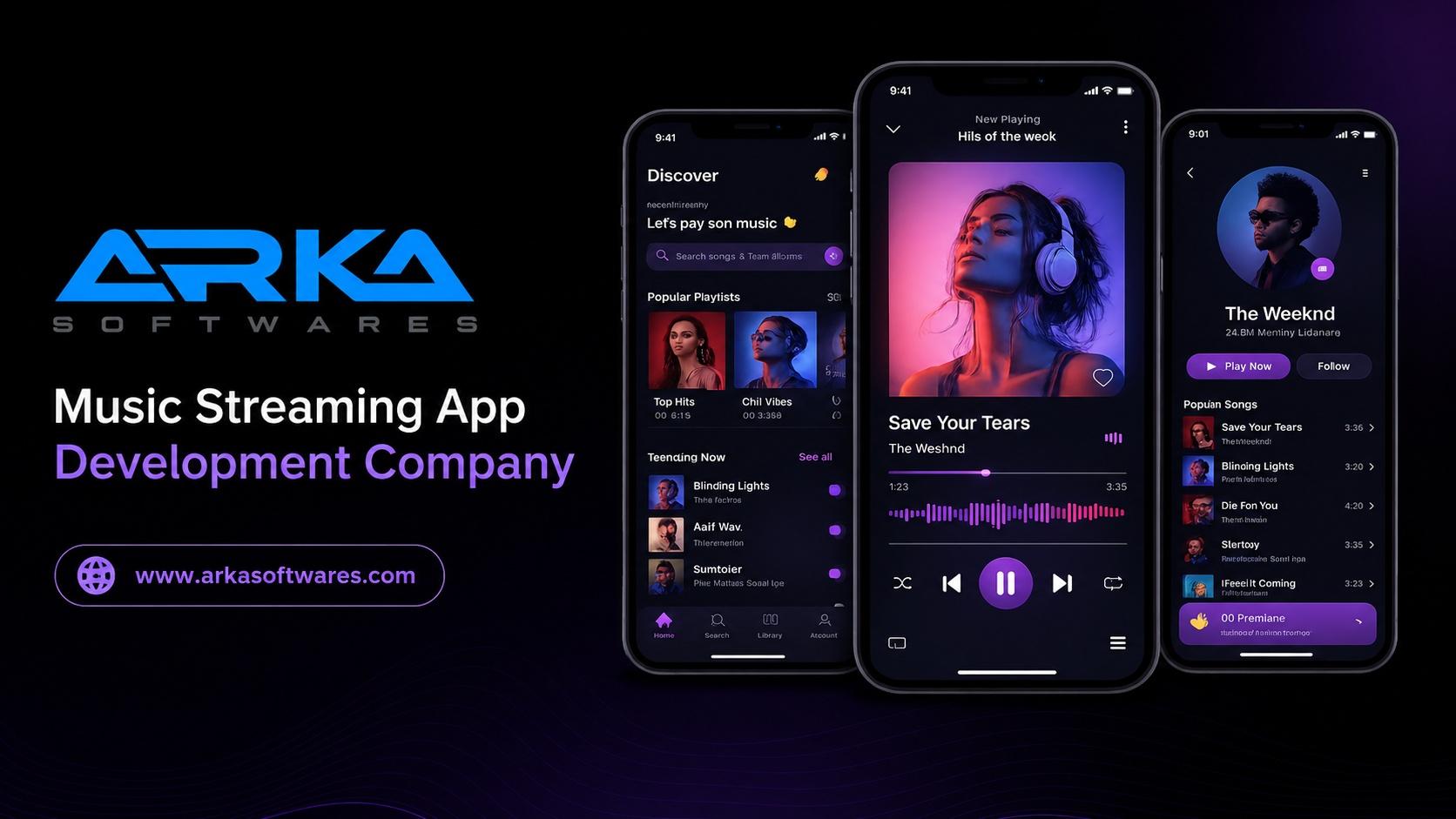
The music streaming industry is no longer a niche — it is the backbone of how the world listens to music. With over 616 million paid subscribers worldwide and a global market projected to reach $103 billion by 2030, building a music streaming app development solution is one of the smartest moves any startup, record label, or independent artist can make in 2026.
Why Music Streaming App Development Is a Smart Investment in 2026
Streaming now accounts for 71% of all recorded music revenue globally. Traditional music distribution channels have lost their grip, and audiences now expect on-demand, personalized listening experiences at their fingertips.
Here is why investing in a custom music streaming app makes sense right now:
• Massive market opportunity with a CAGR of 14.9%
• Direct-to-fan revenue without intermediaries
• AI-powered personalization drives engagement and retention
• Freemium and subscription models generate predictable recurring revenue
• Live audio and podcast verticals are growing faster than ever
• Global reach across iOS, Android, Web, Smart TV, and Wearables
Must-Have Features for a Music Streaming App
A successful music streaming app needs three layers of functionality: a seamless user experience, a powerful admin panel, and cutting-edge AI features.
User-Facing Features
• User Registration and Profile Management
• Music Search and Discovery
• Personal Library and Playlist Creation
• Offline Listening Mode
• Social Sharing Integration
• Push Notifications and Alerts
• In-App Purchases and Subscription Management
• Real-Time Lyrics Synchronization
• High-Quality Music Player with Equalizer Controls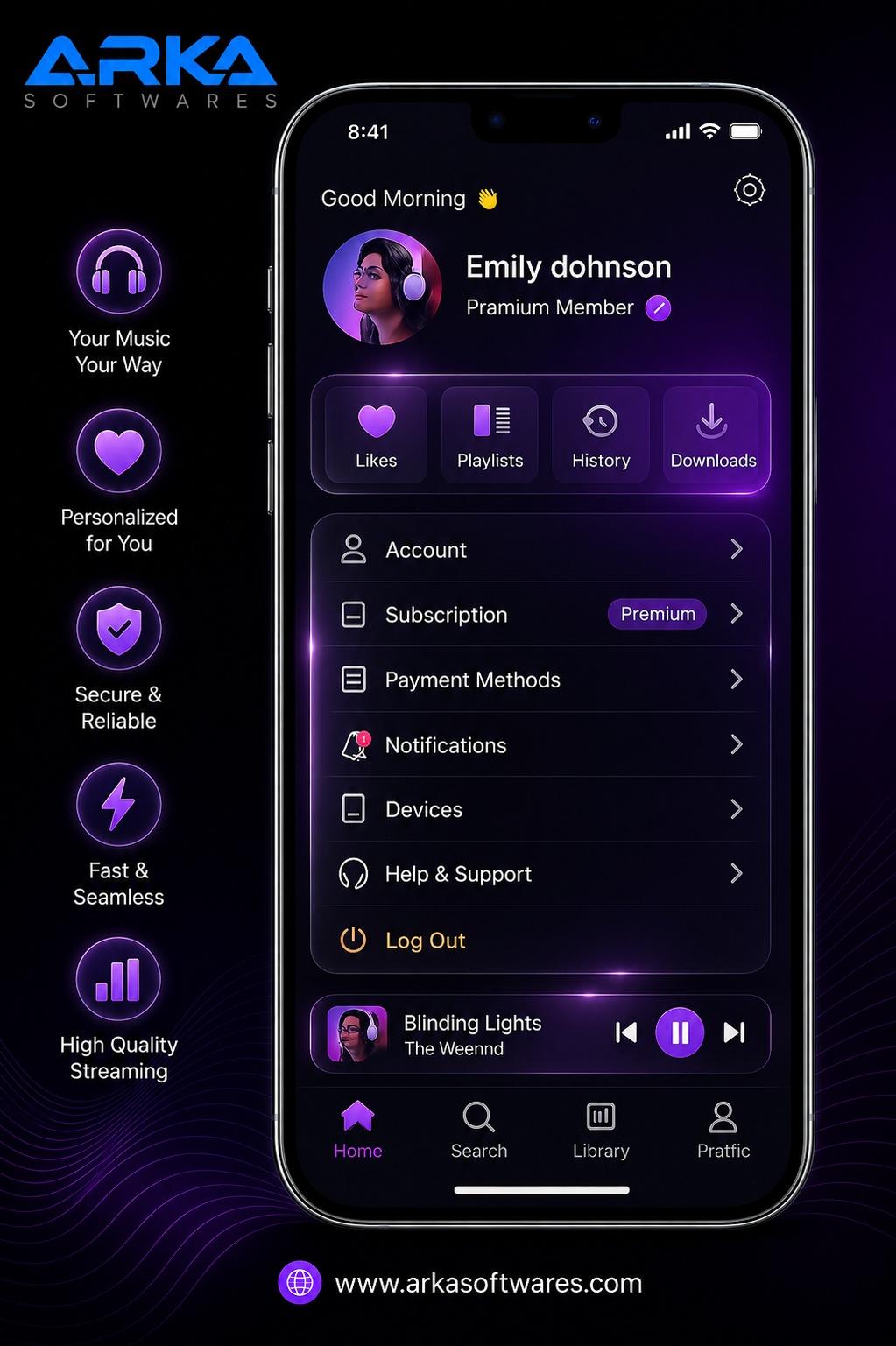
Admin Panel Features
• User and Content Management
• Analytics and Reporting Dashboard
• Subscription and Revenue Tracking
• Licensing and Rights Management
• Advertisement and Promotions Management
• App Performance Monitoring
• Music Management Tools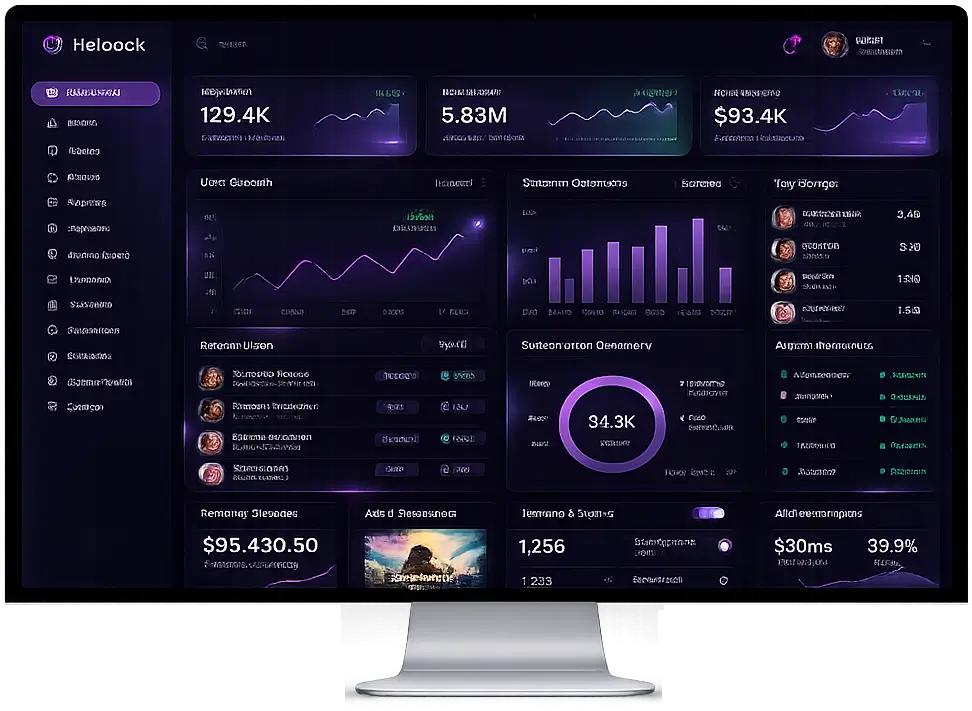
Advanced AI-Powered Features
• AI-Powered Recommendation Engine that analyzes listening habits, genre preferences, and skip behavior to build hyper-personalized playlists
• Mood Detection and Playlist Curation based on time of day and listening patterns
• Voice Search and Music Assistant powered by Natural Language Processing
• Music Fingerprinting for content identification and copyright protection
• AI Music Creation Tools that let artists experiment within your platform
• Smart Contextual Search that understands context, not just keywords
• Dynamic Personalization across every touchpoint of the app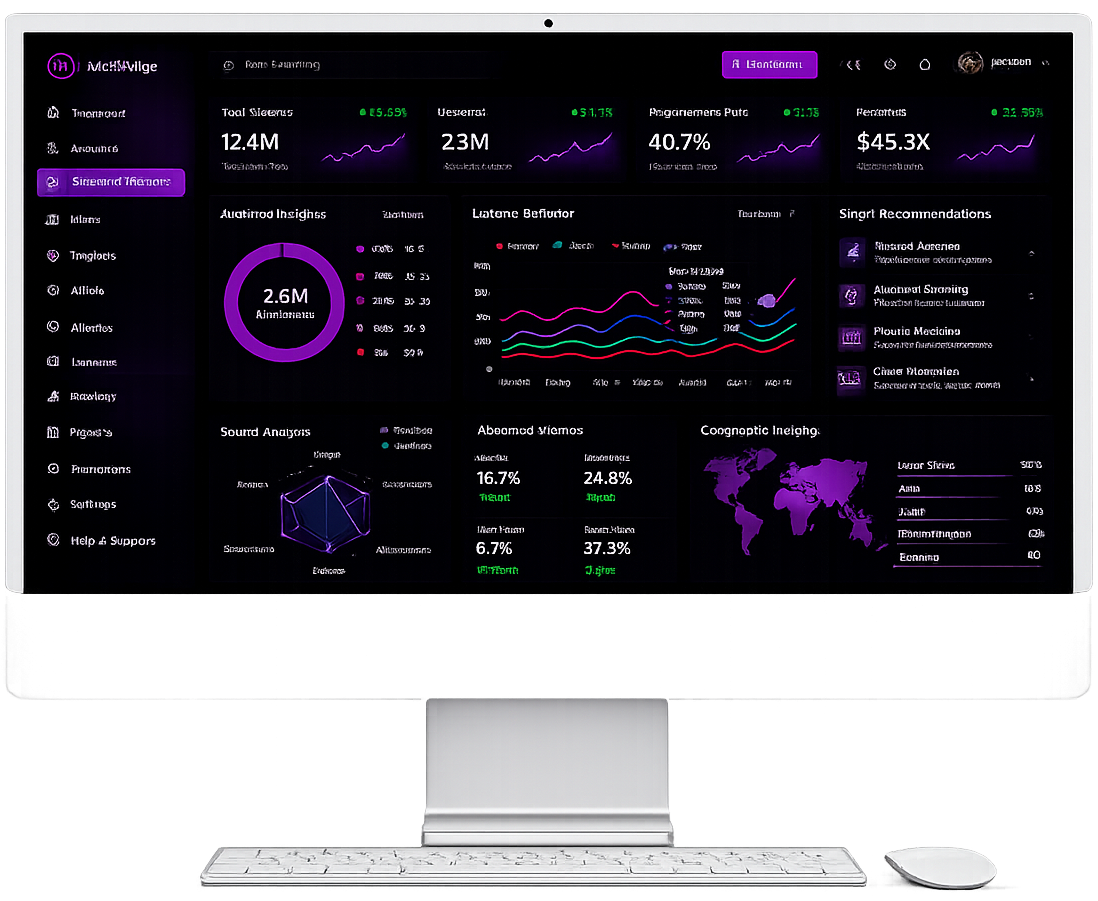
Popular Music Apps You Can Build in 2026
Spotify-Like App
Spotify's success lies in its AI recommendation engine and social discovery features. Building a Spotify-like app means investing in solid ML algorithms, collaborative filtering, and scalable audio library infrastructure.
SoundCloud-Like Platform
Perfect for independent artists and social listeners. A SoundCloud alternative allows user-generated content uploads, waveform visualizations, and community-driven discovery.
Apple Music Alternative
For platforms focused on premium audio quality, curated playlists, and artist exclusives, an Apple Music-inspired experience attracts audiophiles willing to pay for quality.
Tidal-Like App for Audiophiles
Lossless, hi-res audio with Dolby Atmos support. Tidal-like apps are artist-centric with higher royalty payouts, making them a strong value proposition for independent musicians.
Pandora-Style Internet Radio
Internet radio apps with AI-driven station customization and mood-based channels are still incredibly popular in 2026.
YouTube Music Hybrid App
Combining audio and video streaming in one platform is a powerful differentiator, especially for music video lovers and creators.
Best Tech Stack for Music Streaming App Development
• Backend: Node.js or Python for smooth data processing
• Mobile Frontend: React Native or Flutter for cross-platform; Swift for iOS; Kotlin for Android
• Web Frontend: React.js or Next.js
• Cloud Storage and CDN: AWS S3, Google Cloud Storage, Cloudflare multi-CDN delivery
• Database: PostgreSQL, MongoDB, Redis for caching
• Audio Processing: FFmpeg for transcoding, adaptive bitrate streaming via HLS/DASH
• AI and ML: TensorFlow or PyTorch for recommendation engines
• DRM and Security: Widevine and FairPlay for content protection
• Analytics: Mixpanel, Amplitude, or custom dashboards
How Much Does Music Streaming App Development Cost?
Understanding the music streaming app development cost helps you plan your budget and choose the right feature set from day one.
• MVP (Minimum Viable Product): $10,000 to $15,000
• Full-Featured Single Platform App: $25,000 to $50,000
• Enterprise-Level Multi-Platform Solution: $50,000 and above
The development timeline typically ranges from 4 to 9 months depending on the feature set, number of integrations, and platform coverage required.
Monetization Models for Your Music Streaming App
• Freemium Subscription: Free tier with ads plus a paid tier for ad-free listening and premium features (Spotify's proven model)
• Premium Subscription: Flat monthly or annual fee for unlimited access (Apple Music, Tidal)
• In-App Advertising: Audio ads, banner ads, and video interstitials for free-tier users
• In-App Purchases: Exclusive artist content, concert tickets, or digital merchandise
• Artist Tipping and Fan Support: Emerging model for platforms focused on independent creators
• White-Label Licensing: License your platform to labels or brands for custom deployments
Beyond Music: Audio App Solutions Worth Exploring
• Live Music Streaming Apps for live concert streaming and real-time artist performances
• Podcast App Development targeting a niche but loyal audience with strong ad revenue potential
• Audiobook Apps capitalizing on a growing market of listeners willing to pay for premium content
Key Takeaways
• The global music streaming market is growing at a CAGR of 14.9% with no signs of slowing
• AI-powered recommendation and personalization are now table stakes, not premium features
• Niche platforms, regional markets, and artist-first communities are underserved and profitable
• Choosing the right tech stack from day one saves expensive rebuilds later
• Monetization works best when layered: combine subscriptions, ads, and in-app purchases
• Post-launch analytics and churn reduction features are just as important as the launch itself
The music industry is streaming. Whether you are a startup building from scratch or an established music brand ready to go direct-to-fan, now is the time to build your music streaming platform, own your audience, and stream on your own terms.
Categorii
Citeste mai mult
The modern fitness and performance-enhancement landscape has expanded far beyond traditional supplements like protein powders and vitamins. Today, a growing segment of the industry focuses on research compounds and advanced formulations aimed at improving physical performance and recovery. Among the brands operating in this niche, Pharmaqo Labs has become a widely recognized name. Although...

تجربتي مع صناديق الاستثمار الراجحي كانت من أبرز التجارب المالية التي خضتها، حيث فتحت لي أبوابًا جديدة لفهم عالم الاستثمار وإدارة الأموال بشكل ذكي وآمن. قبل هذه التجربة، كنت أبحث عن وسيلة لتنمية مدخراتي بعيدًا عن المخاطر العالية وتقلبات السوق المفاجئة، ووجدت أن الاستثمار في الصناديق يوفر مزيجًا مثاليًا بين الأمان والعائد المستمر. لماذا اخترت صناديق الاستثمار الراجحي؟ أول ما جذبني هو السمعة...

Custom banner printing in Arlington, WA plays a key role in helping local communities and businesses communicate effectively. This service allows individuals and organizations to design banners that meet specific size, material, and design requirements. Whether used for promotional events, trade shows, grand openings, or community announcements, custom banners serve as a highly visible...

Understanding PESTOTO Online Slots PESTOTO online slots have quickly gained popularity among digital casino enthusiasts for their engaging gameplay and unique thematic designs. Unlike traditional slot machines, these online versions offer a seamless digital experience that combines vibrant graphics, immersive sound effects, and innovative bonus features. Players can enjoy a wide variety...

Weight management is often connected to diet and exercise, but many people overlook one major factor that can influence metabolism and fat storage—sleep quality. Poor sleep habits, irregular schedules, stress, and excessive screen exposure may disrupt the body’s natural recovery process and negatively affect hormones linked to appetite, metabolism, and energy balance. As awareness...