The Role of Advanced Endoscopic Systems in Modern ENT Care
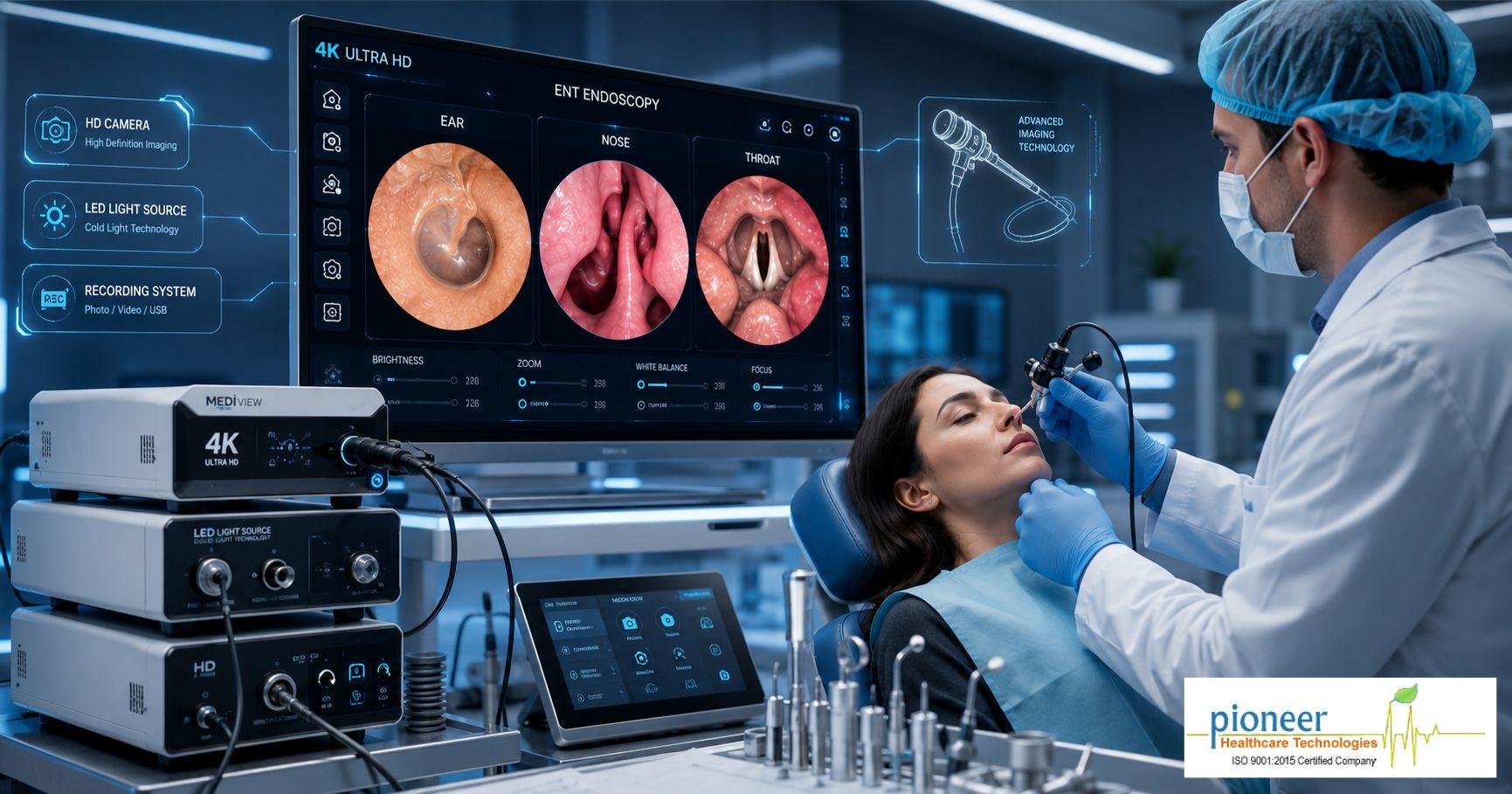
The landscape of otolaryngology is undergoing a massive transformation driven by rapid technological innovations. Today, an ENT clinic is no longer just a space for routine physical examinations; it has evolved into a high-tech diagnostic hub where visualization plays the central role. From diagnosing chronic sinusitis to identifying vocal cord lesions, modern specialists rely heavily on what they see on the monitor screen. Consequently, the quality of endoscopic imaging systems has become a critical benchmark that directly influences both diagnostic accuracy and patient trust.
In the past, basic rigid endoscopes paired with standard-definition cameras were sufficient for general clinical observation. However, as medical science pushes toward earlier detection and minimally invasive interventions, standard definition is no longer acceptable. High-definition (HD) and ultra-high-definition (4K) endoscopic camera systems have completely redefined the field. These advanced devices offer unparalleled pixel density, allowing clinicians to observe minute anatomical structures and subtle vascular patterns with absolute clarity. For example, during a complex nasal endoscopy, a high-resolution camera can help a doctor differentiate between healthy mucosa, benign polyps, and early-stage malignant tissue changes that might otherwise go unnoticed under lower-grade illumination or resolution.
When medical professionals evaluate these systems for their practices, they must look beyond the camera sensor alone. A truly efficient endoscopic setup requires perfect harmony between the camera head, the light processor, and the surgical monitor. The integration of high-intensity LED cold light sources has been a major milestone, providing uniform daylight-like illumination without generating high temperatures that could cause thermal injury to delicate tissues. Furthermore, modern setups focus heavily on ergonomic engineering. A lightweight, waterproof camera head ensures that the ENT surgeon can perform multiple back-to-back outpatient procedures or prolonged surgeries without experiencing physical fatigue or grip strain.
For clinical administrators and private practitioners looking to transition their facilities into high-performance centers, finding the right equipment can be overwhelming given the vast array of global brands and technical configurations. To simplify this decision-making process, you can explore an in-depth review of the market's leading options in this curated guide on the 7 best ENT camera systems designed for modern clinical settings. This analysis highlights the essential balance between technical specifications, clinical utility, and long-term reliability.
Moreover, the clinical benefits of upgrading to premium visualization systems extend significantly to patient communication and digital archiving. Modern camera control units come equipped with seamless dual-channel recording features, allowing doctors to capture high-definition videos and still images directly onto external storage or hospital information systems (HIS). When patients can look at their own diagnostic footage on a medical-grade monitor, it demystifies the diagnosis, bridges the communication gap, and improves compliance with the recommended treatment plan.
Ultimately, selecting the right imaging technology requires partnering with trusted industry experts who understand the nuances of medical engineering and post-purchase service. If you are ready to elevate your healthcare facility's diagnostic capabilities with premium medical imaging equipment, you can discover high-performance solutions directly at Pioneer Healthcare Technologies, a premier provider dedicated to equipping modern medical practices with cutting-edge visual technology. By investing in top-tier endoscopic visualization today, ENT professionals not only secure a more streamlined daily workflow but also guarantee the highest possible standard of medical care for their patients.
Categorie
Leggi tutto
Understand the difference between turning insert and milling insert in CNC machining, including uses, design, cutting action, and applications. Understanding the Difference Between Turning Insert and Milling Insert In modern manufacturing, CNC machining plays a crucial role in achieving accuracy, consistency, and productivity. At the heart of CNC machining operations are cutting tools,...

Modern cosmetic treatments are rapidly transforming how individuals approach beauty, skin health, and self-confidence. Advanced technologies and minimally invasive procedures have made it easier to achieve natural-looking results without long recovery times. People today prefer personalized aesthetic solutions that enhance their features while maintaining a natural appearance. Clinics offering...

"Key Drivers Impacting Executive Summary Hydrocarbons Market Size and Share Data Bridge Market Research analyses that the hydrocarbons market is expected to reach USD 94,286.42 million by 2030, which is USD 71,602.20 million in 2022, registering a CAGR of 3.50% during the forecast period of 2023 to 2030 The large-scale Hydrocarbons Market report presents the best market and business...

Renowned director Ron Howard, celebrated for his Oscar-winning films such as "A Beautiful Mind," "Frost/Nixon," and "Apollo 13," takes the helm of this compelling project. The cast features the acclaimed Glenn Close, a seven-time Oscar nominee and Golden Globe winner, known for her role in "The Wife," joining forces with Amy Adams, a six-time Oscar nominee and Golden Globe recipient....

Bahías de Huatulco International Airport Customer Support Phone Number is referenced for currency exchange locations, operating hours, and concourse service availability. Bahias de Huatulco International Airport is a place that is highly visited in Mexico with international and domestic visitors throughout the year in the coastal areas. Most tourists come with the issue of pesos,...