Balancing Patient Comfort and Surgical Capability in Hysteroscopy
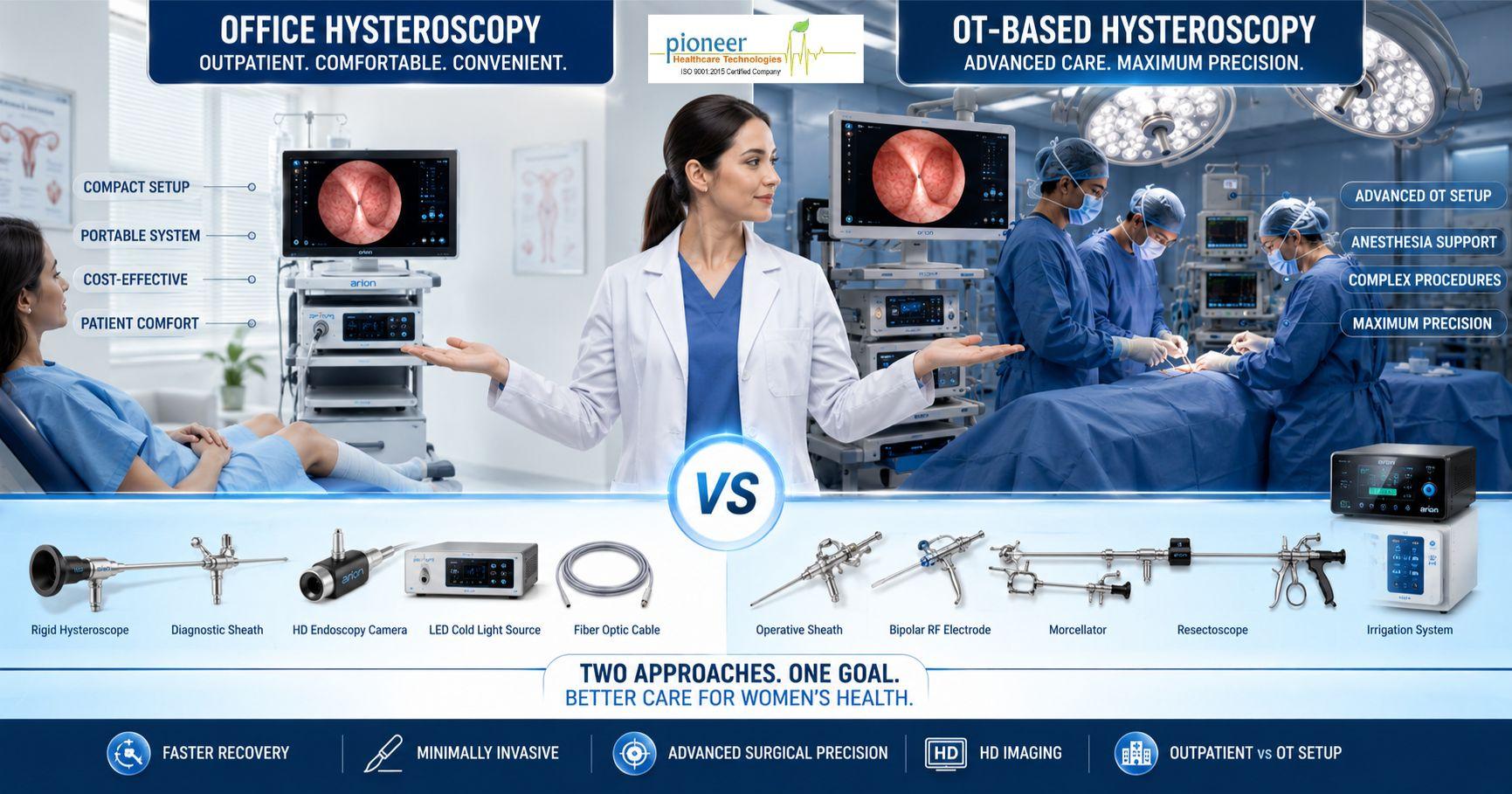
The field of modern gynecology has witnessed a phenomenal transition toward minimally invasive techniques over the last couple of decades. Among these, hysteroscopy has emerged as the definitive gold standard for evaluating and managing intrauterine pathologies. Whether a patient is presenting with abnormal uterine bleeding (AUB), unexplained infertility, recurrent miscarriages, or suspected endometrial polyps, direct visual inspection of the uterine cavity provides unparalleled diagnostic clarity.
However, as technological innovations continue to shrink instrument diameters and improve high-definition visualization, medical practitioners face a strategic operational decision: establishing an Office Hysteroscopy setup or relying on traditional Operating Theatre (OT)-Based Hysteroscopy. Striking the perfect balance between patient comfort, safety, and surgical capability is the key to running a successful modern practice.
The Changing Dynamics of Office Hysteroscopy
Office hysteroscopy represents a paradigm shift toward patient-centric, outpatient care. Traditionally, looking inside the uterus required cervical dilation, which necessitated some form of regional or general anesthesia. Today, utilizing ultra-thin, rigid, or flexible hysteroscopes (often less than 4mm in diameter), gynecologists can perform the "vaginoscopic approach" without the need for speculums, tenaculums, or local anesthesia blocks.
This clinic-based approach functions on a "see-and-treat" philosophy. In a single visit, a clinician can view the pathology and immediately introduce miniaturized mechanical instruments (like grasping forceps or scissors) through a 5-French working channel to snip a small polyp or take an endometrial biopsy. For the patient, this means eliminating hospital admission costs, avoiding anesthesia risks, experiencing minimal anxiety, and being able to walk out of the clinic and return to normal activities almost immediately.
The Critical Role of OT-Based Hysteroscopy
While office setups are incredibly efficient for diagnostic screening and minor interventions, they cannot replace the sheer power and safety infrastructure of a full Operating Theatre. OT-based hysteroscopy remains absolutely vital for complex, extensive operative procedures.
When a patient requires a major intervention—such as the resection of a large, deeply embedded submucosal fibroid, the correction of a congenital uterine septum, or the clearing of dense intrauterine adhesions (Asherman’s Syndrome)—the procedure demands a controlled environment. The operating theatre provides advanced electrosurgical units (like bipolar resectoscopes), high-capacity automated fluid management systems to monitor fluid deficit and prevent fluid overload, and immediate access to full general anesthesia and resuscitation support.
Comparative Evaluation for Strategic Planning
For healthcare administrators and practicing gynecologists, understanding how these two modalities differ in terms of infrastructure, patient selection, and clinical outcomes is crucial for optimizing facility workflows. To help you evaluate the precise equipment needs and procedural boundaries of each setup, you can access a comprehensive guide on Office Hysteroscopy vs OT-Based Hysteroscopy to dive deeper into the technical technicalities.
Conclusion: Driving Clinical Excellence
Ultimately, office-based and OT-based hysteroscopy should not be viewed as competing methods, but rather as complementary arms of comprehensive women's healthcare. Incorporating an office endoscopy tower allows private clinics and fertility centers to fast-track diagnostic evaluations, saving valuable time for both the doctor and the patient. Concurrently, reserving the operating theatre for high-risk, advanced therapeutic cases ensures maximum safety and surgical precision. By strategically adopting the right equipment for the right clinical setting, medical professionals can significantly elevate patient satisfaction and diagnostic accuracy.
Visit the full blog:- Hysteroscopy set at pioneermedical
Catégories
Lire la suite
You keep seeing job openings, but something always feels missing. Either they ask for experience, or they expect skills you never fully learned in college. This is a common situation for students and fresh graduates across Kerala. Choosing the Best Data Science Training in Kozhikode can help—but only if it focuses on real skills, not just theory. Many students join courses and still feel...

The market research for the global Glass Syringe market is an accumulation of first-hand facts and quantitative and qualitative evaluation and analysis for the forecast period (2024-2032). The report offers a comprehensive assessment of macro-economic indicators, parent market trends, and several factors influencing the market dynamics. In addition, it also assesses the latest...

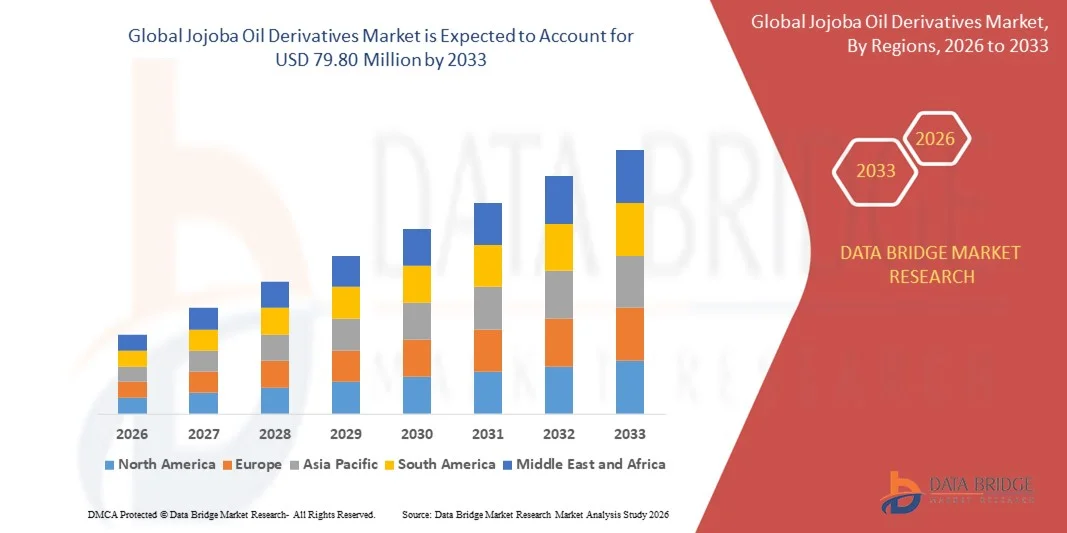
"Executive Summary Jojoba Oil Derivatives Market Research: Share and Size Intelligence The global jojoba oil derivatives market size was valued at USD 44.74 million in 2025 and is expected to reach USD 79.80 million by 2033, at a CAGR of7.50% during the forecast period The credible Jojoba Oil Derivatives report has estimations of CAGR values, which are...
A-Level Computer Science is a demanding subject that requires strong logical thinking, problem-solving skills, and a clear understanding of both theory and programming. Many students struggle with topics such as algorithms, data structures, computational thinking, databases, networking, and software development. This is why working with a Computer Science Tutor in the UK in the first stage...

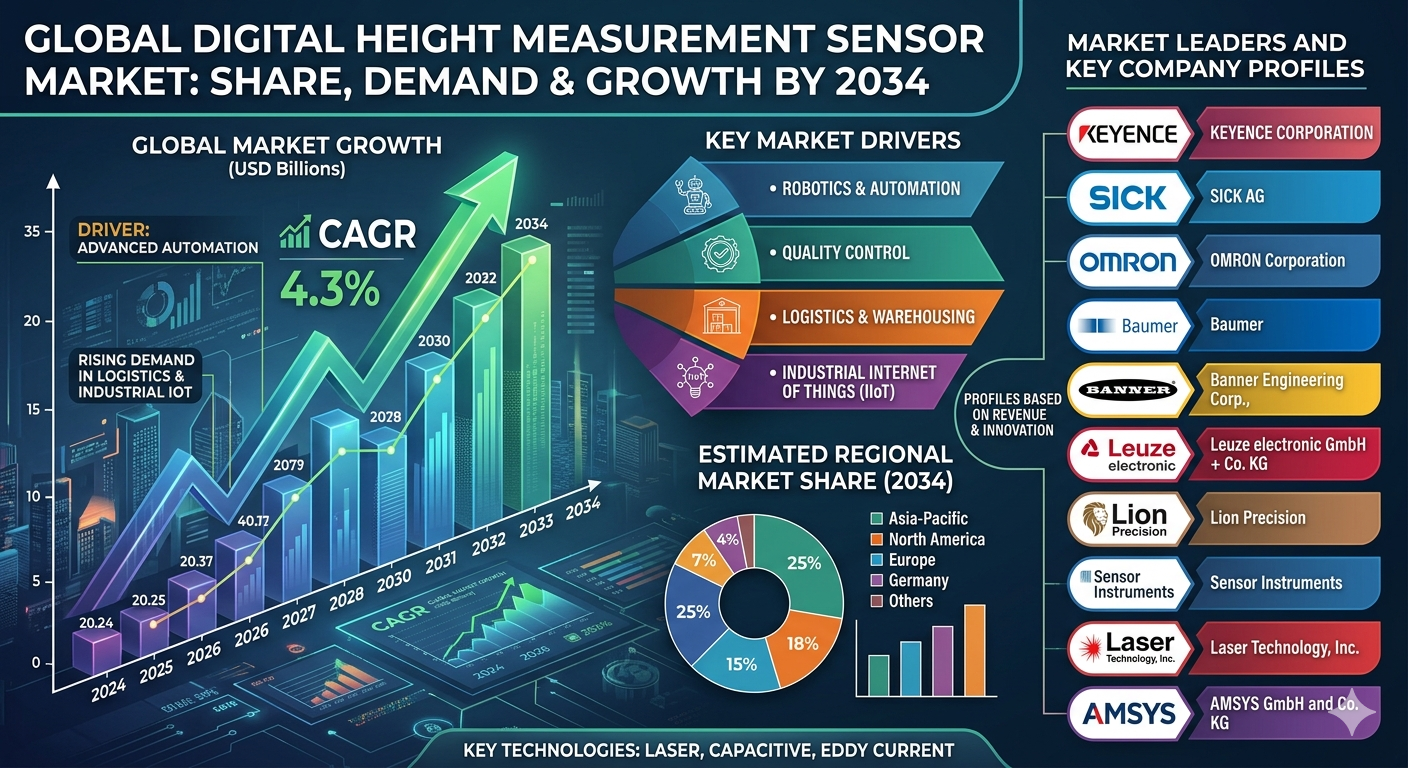
The digital sensing industry is witnessing rapid transformation as industries increasingly adopt precision-based technologies for automation, infrastructure monitoring, healthcare diagnostics, and smart manufacturing applications. Digital height measurement sensors are becoming essential tools for accurate distance and elevation detection across industrial production lines, robotics, commercial...