


Why Does Bottle Cap Mold Precision Matter So Much?
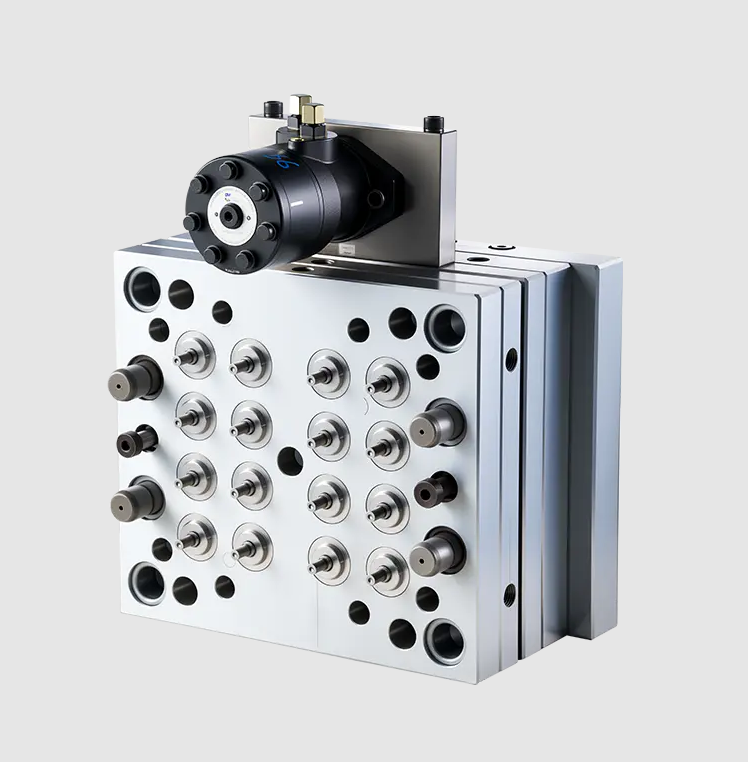
There is something almost philosophical about the bottle cap. It is one of the smallest components in a packaging line, produced by the billions, and almost never noticed — until it leaks, strips, or refuses to open without a fight. The bottle cap mold that produces it is, in many ways, a more interesting object than the cap itself: a precision steel tool that must replicate the same geometry hundreds of millions of times without drifting a single micron out of specification.
A bottle cap mold is almost universally an injection mold, designed to produce plastic caps from materials like HDPE, PP, or LDPE depending on the application. Molten resin enters the mold cavity through a gate, fills the geometry defined by the core and cavity inserts, cools under pressure, and is ejected in a cycle that takes anywhere from two to five seconds. Multiply that cycle across a multi-cavity mold running 24 hours a day, and it becomes clear why tool quality isn't just an engineering preference — it's an economic necessity.
The thread profile is where bottle cap tooling earns its complexity. A closure that seals a carbonated beverage must engage the bottle neck's thread finish with enough friction to hold internal pressure while still releasing smoothly with a quarter-turn of torque. This requires the mold core to incorporate a precise unscrewing mechanism — a rotating component that threads the cap off the core after each shot rather than forcing it over a fixed profile, which would deform or tear the thread. Designing, timing, and maintaining this mechanism is one of the more demanding aspects of cap mold tooling.
Cavity count in a bottle cap mold ranges from a single cavity for development work up to 96 or more cavities in high-volume production tooling. Higher cavity counts reduce cost per part significantly but demand tighter mold balancing — ensuring that resin fills every cavity simultaneously and uniformly. An imbalanced hot runner system leads to dimensional variation between cavities, which in a competitive packaging market is the kind of quality deviation that ends supplier relationships abruptly.
Categorie
Leggi tutto
Every once in a while, a project arrives that doesn’t just redefine real estate — it reimagines the way business and lifestyle coexist. M3M Jewel Crest Avenue is one such landmark, shimmering at the heart of Noida with its unmatched elegance, strategic positioning, and futuristic infrastructure. Designed for those who dream big, invest smart, and understand the true value of...

En el mundo del juego en línea, hay una multitud de opciones para los jugadores que buscan experimentar el emocionante mundo del póker sin incurrir en gastos. La búsqueda de opciones de poker online gratis es una tendencia en constante crecimiento, debido a su versatilidad y capacidad para atraer tanto a principiantes como a jugadores experimentados. En este...

The fashion world is constantly evolving, but only a handful of brands manage to capture the attention of style enthusiasts across the globe. Syna World is one of those rare success stories. In a relatively short time, the brand has grown from a niche streetwear label into one of the most recognizable names in contemporary fashion. Its blend of premium craftsmanship, minimalist design,...

For healthcare buyers and importers in the Philippines, understanding the lenvatinib capsules 4 mg price is crucial. This medication is essential for treating certain types of cancer, and its availability through licensed distributors ensures compliance with national regulations. As a trusted pharmaceutical exporter, Oddway International provides access to high-quality lenvatinib capsules....

Global Demand Outlook for Executive Summary Asia Pacific Telecom Expense Management Market Size and Share Asia Pacific telecom expense management market is expected to gain market growth in the forecast period of 2021 to 2028. Data Bridge Market Research analyses that the market is growing with a CAGR of 3.4% in the forecast period of 2021 to 2028 and is expected to reach USD 384.34 million by...