


Replenishment Planning for Fast-Moving Consumer Goods: Key Challenges and Solutions
Fast-Moving Consumer Goods (FMCG) companies operate in one of the most dynamic and competitive sectors of the retail industry. Products such as food, beverages, personal care items, household essentials, and packaged goods experience frequent purchases, high sales volumes, and rapidly changing demand patterns. In this environment, maintaining the right inventory levels is critical to profitability and customer satisfaction.
A single stockout can result in lost sales, disappointed customers, and damaged brand loyalty. At the same time, excessive inventory can increase storage costs, create waste, and tie up valuable working capital. Finding the right balance requires an effective replenishment planning strategy.
However, replenishment planning has become increasingly complex as supply chains grow more interconnected, customer expectations rise, and demand patterns become less predictable. Traditional planning methods that rely heavily on historical sales data are often unable to keep pace with today's market realities.
To remain competitive, FMCG businesses are increasingly adopting data-driven and AI-powered approaches to replenishment planning that improve forecast accuracy, inventory optimization, and supply chain responsiveness.
What Is Replenishment Planning?
Replenishment planning is the process of determining when and how much inventory should be reordered to maintain optimal stock levels while meeting customer demand.
The primary goals of replenishment planning include:
-
Preventing stockouts
-
Reducing excess inventory
-
Improving inventory optimization
-
Supporting customer service levels
-
Increasing supply chain efficiency
For FMCG companies, replenishment planning is particularly important because products often have:
-
High sales velocity
-
Short product lifecycles
-
Perishability considerations
-
Seasonal demand fluctuations
Effective replenishment strategies help ensure products remain available without creating unnecessary inventory costs.
Why Replenishment Planning Is Critical in FMCG
FMCG businesses face unique inventory challenges due to the nature of their products.
Characteristics of FMCG inventory include:
-
Frequent purchasing behavior
-
High turnover rates
-
Narrow profit margins
-
Strong promotional influence
-
Demand variability
Even small replenishment errors can create significant operational and financial consequences.
For example:
-
Understocking can lead to lost revenue and customer dissatisfaction.
-
Overstocking can increase storage costs and product obsolescence.
This makes replenishment planning a key component of inventory optimization and supply chain performance.
Key Challenges in FMCG Replenishment Planning
Demand Volatility
One of the biggest challenges in FMCG replenishment planning is unpredictable demand.
Demand fluctuations may result from:
-
Seasonal trends
-
Promotions and discounts
-
Weather events
-
Consumer behavior shifts
-
Economic conditions
Traditional forecasting methods often struggle to adapt quickly enough to these changes.
As a result, businesses may experience inventory imbalances.
Promotional Impact on Demand
Promotions can significantly influence FMCG purchasing behavior.
Sales events often create demand spikes that differ substantially from normal purchasing patterns.
Without accurate forecasting, promotions can lead to:
-
Stock shortages
-
Missed revenue opportunities
-
Excess inventory after campaigns end
Replenishment planning must account for promotional demand accurately.
Supply Chain Disruptions
Global supply chains have become increasingly vulnerable to disruptions.
Common challenges include:
-
Transportation delays
-
Supplier shortages
-
Manufacturing interruptions
-
Geopolitical events
-
Labor constraints
These disruptions make it more difficult to maintain consistent inventory levels.
Effective replenishment planning requires greater supply chain visibility and agility.
Inventory Visibility Challenges
Many organizations still operate with fragmented inventory systems.
Inventory data may be spread across:
-
Warehouses
-
Distribution centers
-
Retail stores
-
Ecommerce fulfillment locations
Without a unified inventory view, replenishment decisions become less accurate.
Improving inventory visibility is essential for effective inventory optimization.
Managing Omnichannel Demand
Modern FMCG brands increasingly serve customers through multiple channels.
These include:
-
Physical stores
-
Ecommerce websites
-
Marketplaces
-
Quick-commerce platforms
Demand across these channels can vary significantly.
Replenishment planning must balance inventory allocation across multiple fulfillment environments.
Forecasting Complexity
Forecasting demand accurately remains one of the most difficult aspects of replenishment planning.
Factors influencing demand include:
-
Product seasonality
-
Consumer trends
-
Regional preferences
-
Competitive activity
-
Marketing campaigns
Traditional forecasting methods often rely heavily on historical sales data, which may not reflect future market conditions.
How AI Is Transforming Replenishment Planning
Artificial intelligence is helping FMCG companies address many replenishment challenges.
AI-powered systems can analyze:
-
Historical sales patterns
-
Real-time demand signals
-
Inventory levels
-
Supply chain constraints
-
External market factors
This enables more accurate and responsive planning decisions.
AI is becoming a major driver of inventory optimization initiatives.
Predictive Demand Forecasting
One of the most valuable applications of AI is predictive forecasting.
AI models can identify patterns that traditional forecasting methods often miss.
These systems incorporate:
-
Seasonal trends
-
Promotional impacts
-
Weather data
-
Consumer behavior
-
Market signals
The result is improved forecast accuracy and more effective replenishment planning.
Real-Time Inventory Monitoring
Modern replenishment planning increasingly relies on real-time inventory visibility.
Real-time monitoring enables businesses to:
-
Track inventory movements
-
Identify stock risks early
-
Adjust replenishment plans dynamically
-
Improve inventory optimization outcomes
Faster visibility leads to better decision-making.
Inventory Optimization Through Automation
Automation is becoming a critical component of modern replenishment planning.
Automated systems can:
-
Generate replenishment recommendations
-
Calculate reorder points
-
Prioritize inventory allocation
-
Adjust safety stock levels
Automation improves efficiency while reducing manual planning effort.
The Role of Supplier Collaboration
Effective replenishment planning depends heavily on supplier relationships.
Supplier collaboration helps improve:
-
Inventory visibility
-
Demand forecasting
-
Lead-time management
-
Order accuracy
When suppliers have access to demand insights, they can better support replenishment requirements.
Stronger collaboration contributes to greater supply chain resilience.
Benefits of Effective Replenishment Planning
Reduced Stockouts
Products remain available when customers need them.
Improved Inventory Optimization
Inventory levels align more closely with actual demand.
Lower Holding Costs
Businesses reduce excess inventory and associated expenses.
Better Customer Satisfaction
Consistent product availability improves customer experiences.
Stronger Supply Chain Efficiency
Resources are utilized more effectively throughout the supply chain.
Best Practices for FMCG Replenishment Planning
Leverage Real-Time Data
Current inventory and demand signals improve planning accuracy.
Use AI-Powered Forecasting
Machine learning models help predict future demand more effectively.
Improve Inventory Visibility
Unified inventory data supports better decision-making.
Strengthen Supplier Collaboration
Collaborative planning improves responsiveness and reliability.
Continuously Monitor Performance
Track key metrics and adjust strategies as market conditions change.
Key Metrics for Measuring Success
FMCG businesses should monitor:
-
Stockout rate
-
Inventory turnover
-
Forecast accuracy
-
Service level performance
-
Fill rate
-
Days of inventory on hand
-
Inventory carrying costs
These metrics provide valuable insight into replenishment effectiveness.
The Future of FMCG Replenishment Planning
Replenishment planning will continue evolving as technology advances.
Emerging trends include:
-
AI-driven inventory optimization
-
Predictive replenishment tools
-
Real-time supply chain visibility
-
Autonomous planning systems
-
Advanced supplier collaboration platforms
These innovations will help FMCG companies become more agile and responsive.
Conclusion
Replenishment planning is one of the most important operational functions in the FMCG industry. As demand volatility, supply chain complexity, and omnichannel fulfillment requirements continue to increase, traditional planning approaches are becoming less effective.
Modern replenishment planning strategies combine predictive forecasting, real-time inventory visibility, supplier collaboration, automation, and AI-powered inventory optimization to improve accuracy and responsiveness.
Businesses that invest in advanced replenishment planning capabilities will be better positioned to reduce stockouts, improve inventory performance, enhance customer satisfaction, and build more resilient supply chains in an increasingly competitive FMCG marketplace.
Категории
Больше
The global Mycelium Market is experiencing significant growth as industries increasingly adopt sustainable and biodegradable materials across multiple applications. According to recent industry insights, the Mycelium Market Size was valued at USD 3.52 billion in 2025 and is projected to reach USD 6.72 billion by 2033, expanding at a compound annual growth rate (CAGR) of 8.45% during...

Polaris Market Research has published a brand-new report titled HDPE Pipes Market Size, Share, Trends, Industry Analysis Report: By Diameter ( 3000 MM), Grade, Application, End User, and Region (North America, Europe, Asia Pacific, Latin America, and Middle East & Africa) – Market Forecast, 2025–2034 that includes extensive information and analysis of the industry...

The global Hydrodesulfurization (HDS) Catalysts Market is projected to experience sustained growth over the coming decade, driven by increasing regulatory pressure to reduce sulfur content in fuels and the ongoing modernization of petroleum refining infrastructure worldwide. The market was valued at USD 2.91 billion in 2023 and is expected to reach USD 4.20 billion by 2032, growing at...

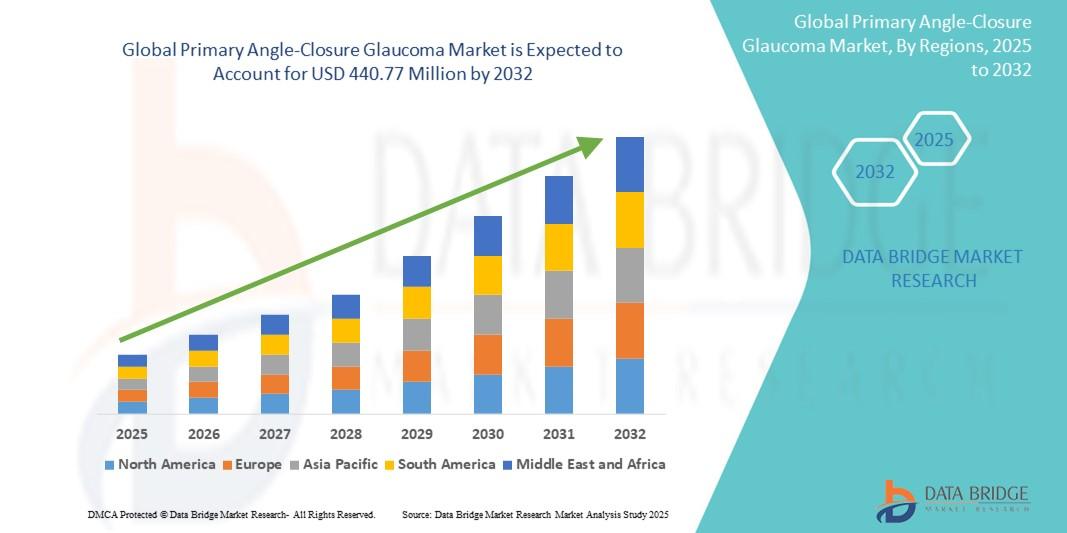
"Executive Summary: Primary Angle-Closure Glaucoma Market Size and Share by Application & Industry CAGR Value The global primary angle-closure glaucoma market size was valued at USD 269.55 million in 2024 and is expected to reach USD 440.77 million by 2032, at a CAGR of 6.1% during the forecast period In the leading Primary Angle-Closure Glaucoma Market report, industry trends...
"Executive Summary High Temperature Coatings Market Market Size and Share: Global Industry Snapshot The global high temperature coatings market size was valued at USD 1.80 billion in 2024 and is expected to reach USD 2.84 billion by 2032, at a CAGR of 5.80% during the forecast period For the growth of any business, High Temperature Coatings Market...