


How Cloud Computing Architects Are Redefining Enterprise Infrastructure
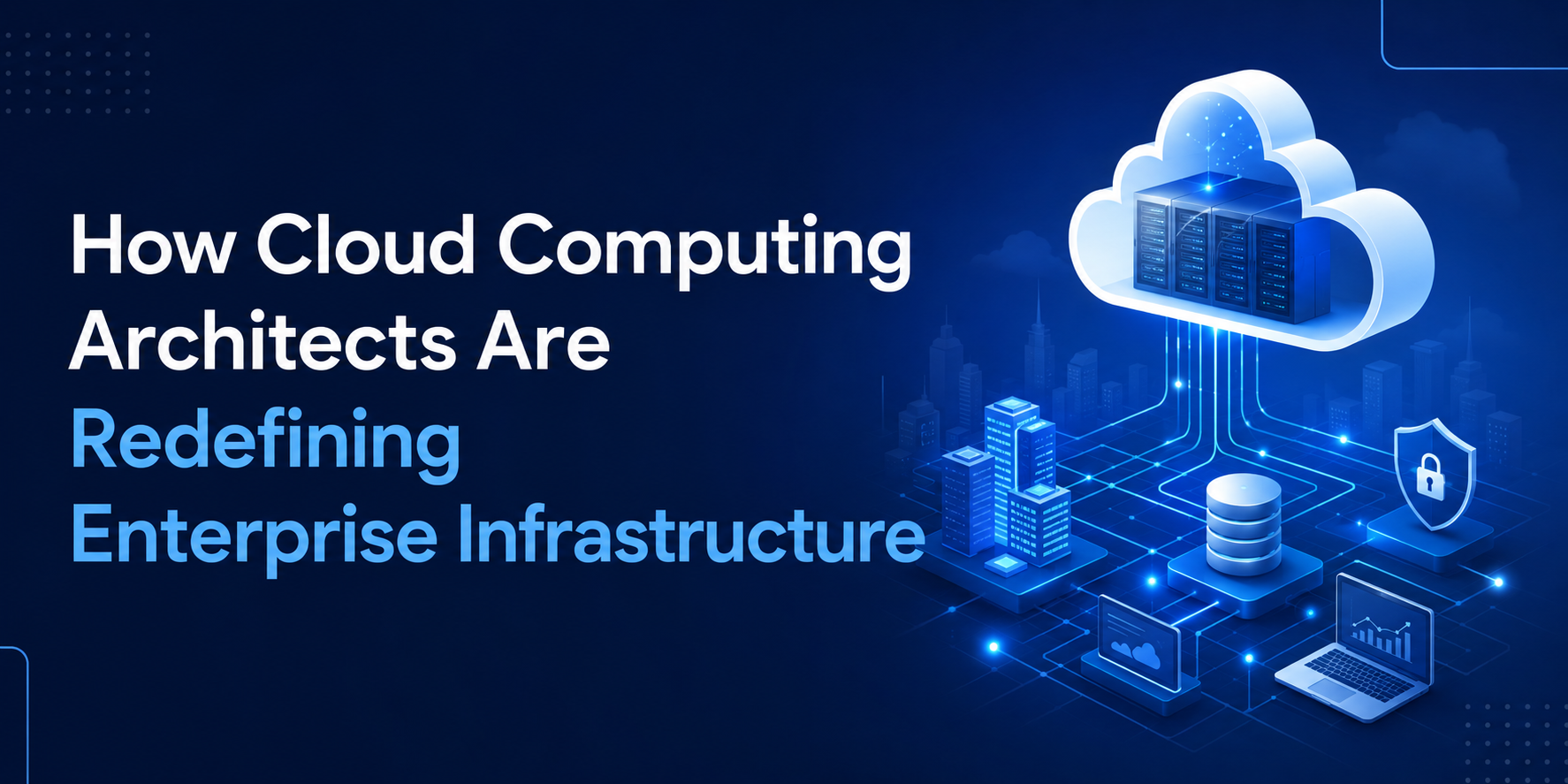
The foundational footprint of corporate IT has broken out of the traditional mainframe server room. For decades, scaling an enterprise meant physically purchasing, installing, and cooling heavy server racks within a local corporate facility. Today, that entire paradigm has been replaced by distributed virtual architecture.
As businesses migrate their operational workflows, data pipelines, and internal tools to remote hosting environments, a specific professional has emerged as the structural linchpin of modern business tech: The Cloud Computing Architect. These specialists do not just write code; they design the high-scale, resilient digital cities where modern enterprise software lives.
Moving Beyond Static Hardware
Traditional IT infrastructure was highly reactive. If an enterprise software platform experienced a sudden spike in data traffic, systems crashed unless expensive physical servers were pre-purchased and waiting. Cloud architecture fundamentally fixes this limitation through auto-scaling and programmatic control.
Cloud Architects utilize concepts like Infrastructure as Code (IaC) to spin up thousands of virtual server nodes or high-volume databases in seconds using simple text scripts. For students standing at the beginning of their technical career decisions, realizing this shift from standard hardware configuration to cloud systems programming is critical. Evaluating the broader computer science IT course ecosystem shows that modern curriculum design must heavily emphasize remote hosting and deployment to remain relevant to current hiring trends.
The Intersect of Cloud, AI, and Automation
Cloud infrastructure is no longer an isolated department in tech companies. It has become the mandatory foundation powering other highly lucrative engineering paths. Consider how modern software models scale:
-
AI Operations (MLOps): Complex deep learning systems cannot train or run predictions on consumer-grade local machines. They require massive, distributed graphics processing clusters provisioned inside cloud data centers.
-
Advanced Industrial Robotics: Modern automated systems rely on low-latency edge computing and real-time cloud data pipelines to orchestrate physical movements across global logistics grids.
Because of this interconnected nature, professional compensation for engineers who understand both hardware integration and distributed software execution is soaring. Looking into the elite AI robotics engineer salary in India reveals a substantial pay premium for specialists capable of tying physical automation directly into secure, highly stable cloud servers.
For young aspirants looking to enter this engineering spectrum directly after school, researching structured, foundational robotics courses after 12th serves as an excellent starting point to master the deep intersection of physical hardware logic and modern backend networks.
Building the Core Professional Foundation
If your professional goal leans toward designing these massive distributed data systems, entering a specialized learning track early is key. General web development paths are oversaturated, but deep infrastructure engineering remains starvations-level scarce for major enterprises.
A fantastic way to gain immediate market value is to pursue an application-focused cloud curriculum. Reviewing the lucrative BCA cloud computing salary in India demonstrates that graduate candidates holding practical, hands-on exposure to cloud provisioning platforms outpace baseline IT generalists right from their first job entry.
Furthermore, if you want your specialised infrastructure skills to support enterprise data analytics and intelligent predictive modelling, analyzing the massive BCA AI and Data Science career scope helps map out how applications, big data storage pools, and cloud systems interact in live production environments.
For students located in major southern technology hubs, combining early training via a specialised B.Sc. AI & ML course after 12th in Chennai lets you build the strong technical, mathematical, and algorithmic habits that make cloud-based AI deployments run efficiently.
Summary: The Structural Shift
Enterprises are no longer asking if they should move to the cloud—they are optimising how they run within it. Cloud Architects are redrawing the maps of corporate computing by eliminating server downtime, reducing massive physical upkeep budgets, and building the scalable pipelines that keep artificial intelligence operational. Specialising in this discipline ensures you are building a career exactly where modern IT infrastructure is being rewritten.
Categorii
Citeste mai mult
Di tengah pesatnya perkembangan teknologi digital, kebutuhan akan akses internet yang cepat dan stabil menjadi semakin penting. Banyak pengguna mencari informasi mengenai dewatogel alternatif karena ingin memastikan mereka tetap dapat mengakses platform tanpa hambatan ketika domain utama sedang mengalami gangguan. Kehadiran link alternatif memberikan solusi yang efektif sehingga pengguna tidak...

Sir Michael Jones is a true rugby legend whose career inspires the excitement we feel for New Zealand vs Chile today. His amazing adventure began in West Auckland. He grew up admiring the boldness of rugby. He played with his cousins on local fields. Now we look forward to the future. Many teams want to play in the RWC 2027. They want to win the great RWC trophy. Michael shows us the aisle to...

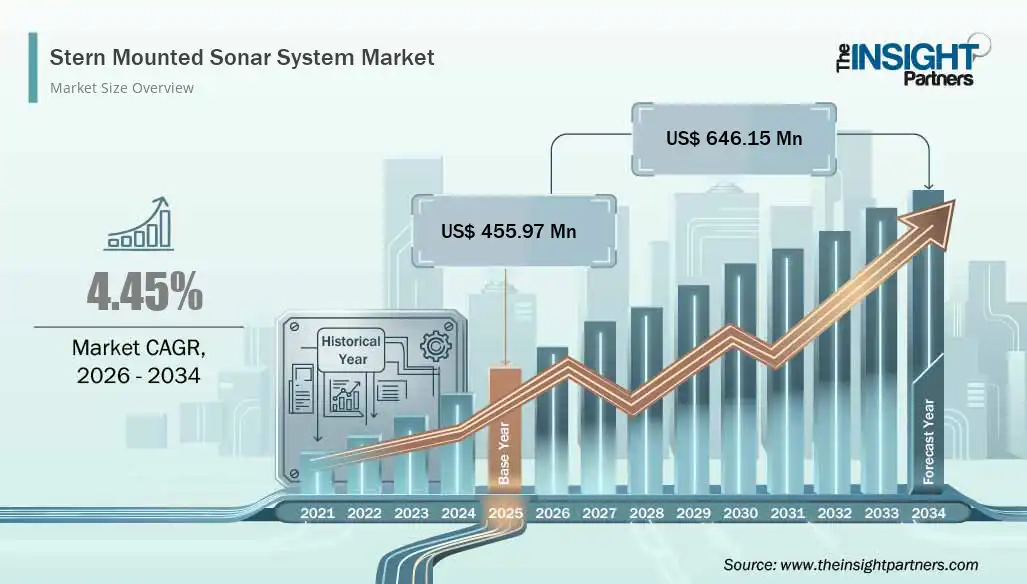
Rising geopolitical tensions across various regions have encouraged defense organizations to enhance underwater surveillance capabilities. As submarine activities increase, governments continue to prioritize the deployment of advanced sonar technologies for effective threat detection. The Stern Mounted Sonar System Market is gaining momentum as naval forces across the globe prioritize advanced...
ISO 27001 Training is a professional program designed to help individuals and organizations understand and implement an Information Security Management System (ISMS) based on the ISO/IEC 27001 standard. This internationally recognized standard provides a structured framework for protecting sensitive information, managing security risks, and ensuring data confidentiality, integrity, and...
Data Bridge Market Research analyses that the foodservice disposables market is expected to reach the value of USD 26,136.84 million by 2030, at a CAGR of 9.9% during the forecast period. The global business landscape is undergoing a transformation, with industries increasingly leaning on deep research and actionable insights to make strategic decisions. One segment seeing tremendous...