


Which Is the Poorest Country in the World Today? Facts and Figures
Economic inequality remains one of the defining challenges of the modern age. While some nations continue to build advanced infrastructure and strengthen financial systems, others struggle with fragile institutions, food insecurity, political instability, and limited access to healthcare and education. This reality often prompts an important question: which is the most poorest country in the world?
Understanding poverty at a national level requires more than looking at income alone. Economists and global institutions assess countries using indicators such as Gross Domestic Product (GDP) per capita, Human Development Index (HDI), unemployment levels, healthcare access, and political stability. These measurements offer a clearer picture of economic hardship and quality of life.
Which Country Is Considered the Poorest in the World?
Based on recent GDP per capita estimates and economic indicators, Burundi is widely regarded as the poorest country in the world today.
Located in East Africa, Burundi has faced decades of political unrest, ethnic conflict, weak industrial growth, and limited foreign investment. The country’s economy depends heavily on subsistence agriculture, with a large percentage of the population relying on farming for survival.
When people search which is the most poorest country in the world, Burundi frequently emerges as the answer because of its exceptionally low GDP per capita and persistent development challenges.
Key Facts About Burundi
-
Population: Approximately 13 million
-
Primary economic sector: Agriculture
-
Major exports: Coffee and tea
-
Poverty levels: A significant share of the population lives below the international poverty threshold
-
Infrastructure challenges: Limited electricity, transport systems, and healthcare accessibility
Although international aid and economic programmes have helped improve certain indicators, progress remains gradual.
Why Is Burundi So Poor?
Poverty in Burundi stems from multiple interconnected factors rather than a single cause.
Political Instability
Political conflicts and governance challenges have disrupted long-term economic planning. Instability often discourages investors and limits business growth, creating fewer employment opportunities.
Dependence on Agriculture
A substantial portion of Burundi’s economy depends on agriculture. However, reliance on rain-fed farming makes the country vulnerable to climate fluctuations, poor harvests, and food shortages.
Limited Industrial Development
Industrialisation remains underdeveloped, reducing opportunities for higher wages and diversified employment. Countries with limited manufacturing and technology sectors often struggle to generate sustained economic growth.
High Population Pressure
Rapid population growth places pressure on land, public resources, and employment opportunities. In economies with constrained resources, this can deepen poverty levels over time.
Other Countries Facing Severe Poverty Challenges
While Burundi is frequently cited when discussing the most poorest country in the world, several other nations also experience severe economic hardship.
South Sudan
Political instability and prolonged conflict have significantly weakened South Sudan’s economy. Infrastructure development remains limited, and access to essential services continues to be inconsistent.
Malawi
Malawi struggles with agricultural dependency, climate-related risks, and limited industrial growth, contributing to low income levels.
Central African Republic
Years of political unrest and security concerns have impacted investment and economic stability.
Madagascar
Despite rich biodiversity and natural resources, Madagascar faces ongoing poverty challenges due to weak infrastructure and vulnerability to natural disasters.
These countries illustrate that poverty is often influenced by a combination of governance, geography, economic dependence, and historical factors.
How Poverty Is Measured Globally
Answering the question which is the most poorest country in the world requires understanding the metrics behind economic assessments.
GDP Per Capita
GDP per capita measures a country’s economic output divided by its population. Nations with lower GDP per capita often have weaker purchasing power and limited public investment.
Human Development Index (HDI)
HDI evaluates quality of life based on education, health, and income. A low ranking may indicate challenges in healthcare access, literacy, and life expectancy.
Poverty Rate
International organisations also examine how many people live below global poverty thresholds, often measured by daily income levels.
Employment and Economic Diversification
Countries dependent on one sector, such as agriculture, tend to face greater economic vulnerability compared with diversified economies.
The Global Impact of Extreme Poverty
Extreme poverty does not affect only one nation. It has broader consequences for migration, health systems, food security, and international economic stability.
For travellers and expatriates visiting economically vulnerable regions, understanding local risks becomes essential. In some situations, travel insurance can offer financial protection against disruptions, medical emergencies, or unexpected travel challenges. Providers such as Niva Bupa have contributed to growing awareness around preparedness when travelling internationally.
Why the Answer Can Change Over Time
Economic rankings are not fixed. Political reforms, foreign investment, natural disasters, inflation, or conflict can quickly alter a country’s financial standing.
For example, nations previously considered economically weak have improved their conditions through stronger governance, export growth, and infrastructure development. Conversely, conflict or economic crises can push countries into deeper hardship.
As a result, when people ask which is the most poorest country in the world, the answer may evolve depending on the latest economic data and development indicators.
Final Thoughts
Burundi is currently recognised as the most poorest country in the world based on GDP per capita and broader development measures. However, poverty is a complex issue shaped by historical, political, and economic realities. Looking beyond rankings helps build a more informed understanding of why some nations continue to struggle while others advance.
For readers seeking clarity on which is the most poorest country in the world, the most reliable approach is to consider both economic data and quality-of-life indicators. Poverty statistics reveal far more than income levels alone. They reflect the lived realities of millions navigating limited opportunities and systemic challenges every day.
Categories
Read More
The CNC Machine Industry is on the brink of a major transformation, expected to reach USD 143.42 billion by 2035, with a compound annual growth rate (CAGR) of 5.0%. This growth is underpinned by technological advancements and an escalating demand for precision in manufacturing processes. The integration of automation and smart technologies is driving this evolution, making CNC machines more...

These days, excitement around live matches pushes more people toward online cricket exchanges. Mobile access helps too - platforms fit neatly into daily routines. By 2026, quick registration matters less than it once did. Instead, what sticks is finding a platform that behaves fairly, runs without hiccups, keeps data locked down tight. Stability becomes the quiet winner behind every click. Most...

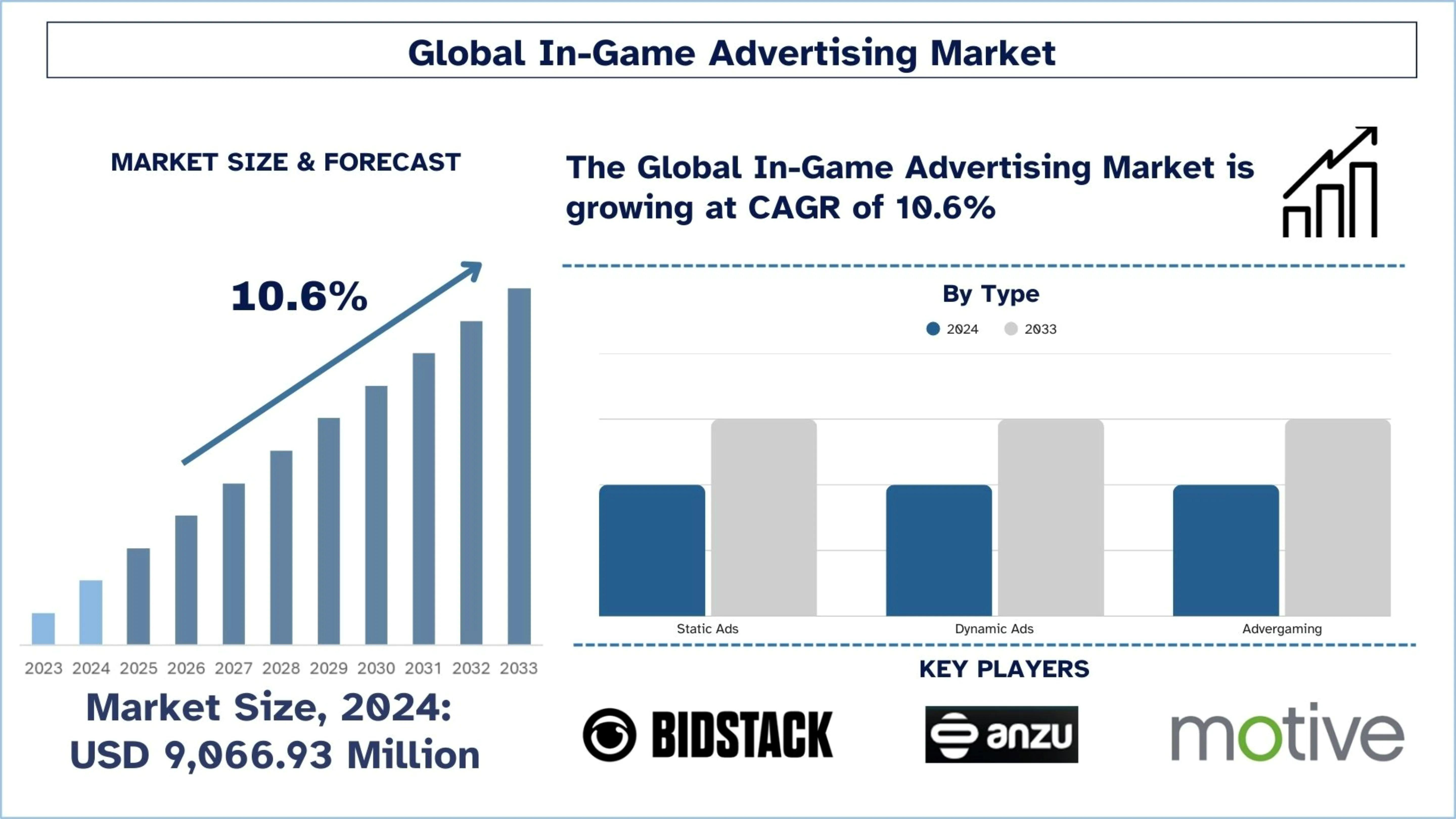
According to a new report by UnivDatos, The In-Game Advertising Market is expected to reach USD million in 2033 by growing at a CAGR of 10.6%. The surge in dynamic and programmatic advertising is certainly a factor, along with the influx of brand investments targeting younger, digitally native consumers. Also, the widespread use of smartphones, coupled with the expanding world of...
"Future of Executive Summary Middle East and Africa Smoked Cheese Market: Size and Share Dynamics The Middle East and Africa smoked cheese market size was valued at USD 2.93 billion in 2025 and is expected to reach USD 3.98 billion by 2033, at a CAGR of 3.9% during the forecast period. A DBMR team of experts and professionals from a number of streams and...

Polaris Market Research has published a brand-new report titled Polyvinyl Butyral Market Share, Size, Trends, Industry Analysis Report, By Application (Films & Sheet, Paints & Coating, Adhesive & Sealants, Printing Inks, and Others); By End-Use; By Region; Segment Forecast, 2023-2032 that includes extensive information and analysis of the industry dynamics. The...