Packaging Industry Insights Shaping Print and Production in 2026
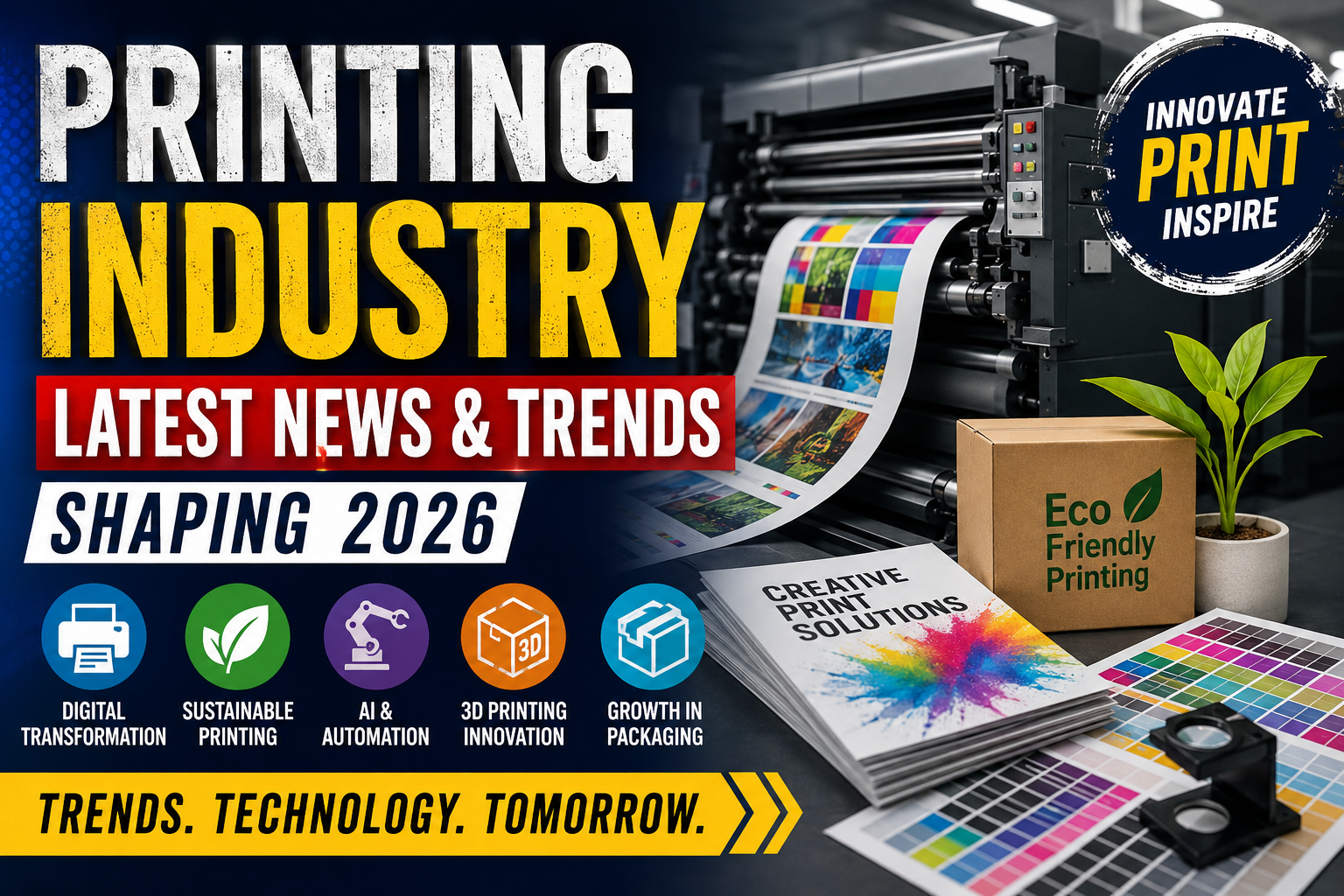
Packaging is no longer just about wrapping products. It has become a critical part of branding, sustainability, logistics, and customer experience. Today, businesses across the globe are closely following packaging industry insights to understand how innovation, consumer behavior, and technology are transforming the market.
From digital printing and smart packaging to eco-friendly materials and automation, the packaging sector is evolving faster than ever. For printers, converters, packaging manufacturers, and brand owners, staying updated with the latest packaging industry insights is essential for remaining competitive in a rapidly changing environment.
The packaging industry has also become one of the strongest growth drivers for the print sector. As e-commerce expands and sustainability expectations rise, companies are investing heavily in modern packaging solutions that combine functionality, design, and environmental responsibility.
Why Packaging Has Become Central to Modern Business
In today’s market, packaging does much more than protect a product. It influences buying decisions, communicates brand identity, and supports sustainability goals.
Consumers now expect packaging to be functional, attractive, and environmentally responsible at the same time. Retailers and governments are also putting pressure on brands to reduce waste and improve recyclability.
As a result, packaging has shifted from a supporting element to a strategic business investment. Industry reports show that sustainability, smart packaging technologies, and digital production workflows are becoming the primary forces shaping the sector.
For the print industry, this transition is creating fresh demand for high-quality packaging design, personalized printing, and shorter production runs.
Sustainability Is Reshaping the Entire Packaging Industry
Sustainability is currently the biggest conversation in global packaging. Governments are introducing stricter regulations while consumers increasingly prefer eco-friendly brands.
Businesses are moving away from excessive plastic use and investing in recyclable, compostable, and fiber-based packaging solutions. Mono-material packaging, lightweight structures, recycled paper, and molded fiber packaging are gaining strong momentum across food, cosmetics, electronics, and retail sectors.
This shift is also influencing printing technologies. Water-based inks, soy-based inks, and energy-efficient LED-UV systems are becoming more common in sustainable packaging production. Digital workflows are helping companies reduce waste by minimizing setup materials and avoiding overproduction.
For packaging converters, sustainability is no longer a marketing advantage alone. It is becoming a requirement for staying competitive in international markets.
Digital Printing Is Accelerating Packaging Innovation
Digital printing is transforming how packaging is designed and produced. Unlike traditional printing methods, digital systems allow faster turnaround times, variable data printing, and cost-effective short runs.
Brands today want flexibility. Seasonal campaigns, localized packaging, personalized labels, and rapid design changes have become common requests. Digital printing makes all of this possible without long setup processes or expensive printing plates.
The rise of e-commerce has further accelerated this trend. Online-first brands frequently update packaging designs and launch limited-edition products to engage consumers.
Industry experts also expect digital printing to become even more integrated with automation, AI-driven workflows, and smart production systems over the next few years.
For print businesses, investing in digital packaging capabilities is increasingly becoming a long-term growth strategy rather than a niche offering.
Smart Packaging Is Creating Interactive Experiences
Packaging is becoming smarter and more connected. QR codes, NFC technology, RFID tags, and digital product passports are now being integrated directly into packaging designs.
This technology allows brands to provide product authentication, traceability, sustainability information, and interactive customer experiences through a simple smartphone scan.
Smart packaging is particularly valuable in industries such as pharmaceuticals, food, cosmetics, and luxury goods where transparency and security are critical.
At the same time, interactive packaging helps brands build stronger engagement with consumers. Companies can connect customers to videos, promotions, loyalty programs, and product education directly through the package itself.
For printers and packaging suppliers, this trend is opening new opportunities beyond traditional print production.
Automation Is Improving Packaging Efficiency
Automation has become essential for modern packaging operations. Rising labor costs, faster delivery expectations, and increased production complexity are pushing manufacturers toward smarter workflows.
Packaging companies are investing in automated converting lines, robotic handling systems, AI-based quality control, and real-time production monitoring.
Automation improves consistency, reduces errors, minimizes material waste, and speeds up production cycles.
Converters are also focusing on workflow integration. Modern packaging facilities are connecting prepress, printing, finishing, and logistics systems into a unified digital environment.
This level of efficiency is becoming especially important as brands demand shorter lead times and more customized packaging solutions.
E-Commerce Continues to Influence Packaging Design
The growth of online shopping has changed packaging priorities significantly.
Traditional retail packaging focused heavily on shelf appeal. E-commerce packaging must balance visual presentation with durability, shipping protection, and unboxing experience.
Brands are investing in packaging that performs well during transportation while still creating a premium customer impression when delivered. Minimalist packaging, right-sized boxes, and lightweight materials are becoming more common as businesses try to reduce shipping costs and environmental impact.
Packaging design has also become more experience-driven. Social media and influencer marketing have increased the importance of visually appealing packaging that customers want to share online.
This creates additional opportunities for creative printing, specialty finishes, and personalized packaging solutions.
Packaging Design Trends Are Becoming More Consumer-Focused
Modern packaging design is moving toward clarity, authenticity, and simplicity.
Many brands are reducing visual clutter and focusing on clean layouts, bold typography, and transparent communication. Consumers today want packaging that feels trustworthy and easy to understand.
Minimalist designs also support sustainability goals because they often use fewer materials and less ink.
At the same time, brands are experimenting with premium textures, matte finishes, embossing, and tactile effects to create stronger shelf presence without overwhelming the consumer.
Packaging is increasingly designed to balance aesthetics, sustainability, and production efficiency together.
Regulatory Changes Are Driving Industry Decisions
Packaging regulations are becoming stricter across major markets, especially regarding recyclability, plastic reduction, and labeling requirements.
The European Union’s packaging waste reforms and growing extended producer responsibility programs are forcing companies to rethink packaging structures and material choices.
Compliance is now a major business consideration for global brands and packaging suppliers.
Companies that invest early in sustainable materials, traceability systems, and recyclable designs are likely to gain long-term advantages as regulations continue evolving.
For packaging producers, staying informed about policy changes has become just as important as investing in new equipment.
The Future of Packaging Looks Highly Connected
The future packaging industry will be more digital, automated, sustainable, and consumer-focused.
Artificial intelligence will likely improve workflow management, predictive maintenance, and design automation. Smart packaging will become more mainstream, while digital printing will continue expanding into mainstream production environments.
At the same time, sustainability expectations will keep rising across every sector.
Businesses that combine innovation with responsible production practices will lead the next phase of packaging growth.
For the print industry, packaging is no longer simply an extension of printing. It is becoming the foundation for future growth, creativity, and technological advancement.
Conclusion
The packaging industry is entering one of its most transformative periods in decades. Sustainability, digital printing, smart packaging, automation, and e-commerce are redefining how products are designed, produced, and delivered.
For printers, converters, and packaging professionals, these changes present both challenges and opportunities. Companies willing to embrace new technologies and evolving consumer expectations are positioning themselves for long-term success.
Packaging is no longer just about protecting products. It is about creating value, improving efficiency, building trust, and shaping customer experiences in a rapidly changing global market.
FAQs About Packaging Industry Insights
1. Why is sustainability important in packaging?
Sustainability helps reduce environmental impact, improves recyclability, lowers packaging waste, and supports consumer demand for eco-friendly products while helping brands meet global regulations.
2. How is digital printing changing packaging?
Digital printing allows faster production, shorter runs, personalized packaging, reduced waste, and greater flexibility for brands needing frequent design updates or localized campaigns.
3. What is smart packaging technology?
Smart packaging uses QR codes, RFID, NFC, and connected technologies to improve traceability, product authentication, customer engagement, and supply chain transparency.
4. How does e-commerce affect packaging design?
E-commerce packaging focuses on durability, lightweight materials, shipping protection, and premium unboxing experiences while also supporting sustainability and brand visibility.
5. What are the biggest packaging trends in 2026?
The biggest trends include sustainable materials, digital printing, smart packaging, AI-driven automation, minimalist designs, and increased regulatory focus on recyclable packaging.
Κατηγορίες
Διαβάζω περισσότερα
If you’re looking for comfortable, stylish, and versatile fabrics for dressmaking, cotton dress material should be at the top of your list. Recently, I came across a wide collection of cotton dress fabrics offered by Maa Ambay Fabrics, which makes sourcing quality materials online easier and more affordable than ever. In this guide, we’ll explore what cotton dress material is, why...

Polaris Market Research has introduced the latest market research report titled Benzenoid Market Share, Size, Trends, Industry Analysis Report, By Type (Benzyl Benzoate, Benzaldehyde, Benzyl Acetate, Benzyl Alcohol, Benzyl Chloride); By Application; By Region; Segment Forecast, 2021 - 2028 that highlights the major revenue stream for the forecast period. The report contains clear, reliable, and...
In today’s fast-growing digital gaming world, tirangagame has emerged as a popular platform among users looking for entertainment, rewards, and engaging gameplay. Whether you are a beginner or an experienced gamer, understanding how tirangagame works can help you make the most of its features. This comprehensive guide will walk you through everything you need to know about tirangagame,...
Payroll Error PS036 is a technical error observed when using the QB Payroll program which is mostly a result of an expired/inactive payroll subscription or corrupted QuickBooks data. This issue can pretty easily be fixed. This article contains all the elaborate details to help you fix QuickBooks Payroll Error PS036. What are the common causes behind QuickBooks Error PS036? Some main...

"Executive Summary Indoor Plant Lighting Market Size and Share Forecast The indoor plant lighting market is expected to witness market growth at a rate of 9.4% in the forecast period of 2022 to 2029. The Indoor Plant Lighting report also makes available CAGR value fluctuation during the forecast period of 2018-2025 for the market. The Indoor Plant Lighting report also brings into...