How to Design CEO Office for Productivity, Luxury, and Professional Impact
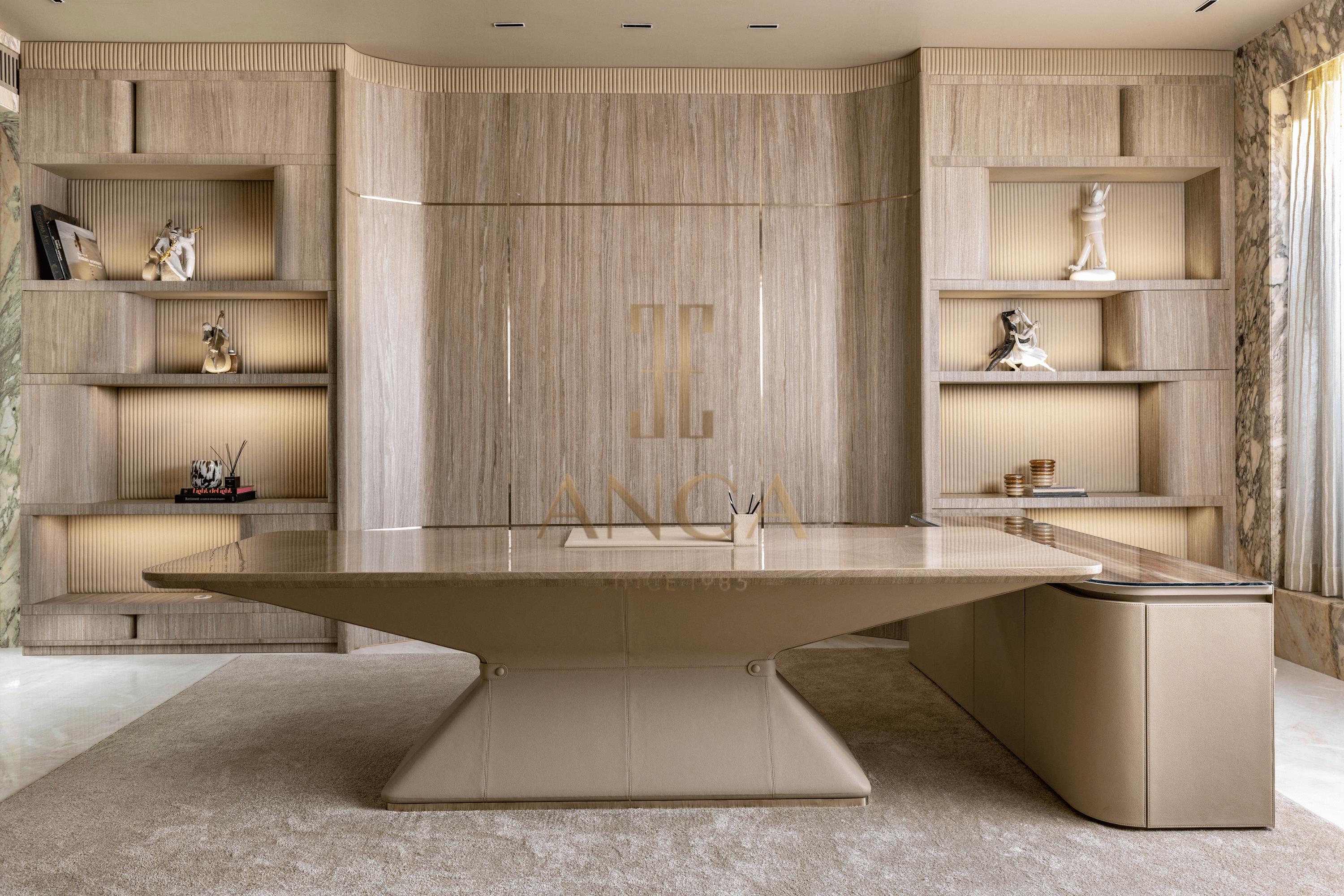
Designing an executive workspace is more than arranging furniture and selecting colors. How to Design CEO Office properly requires a balance of professionalism, comfort, leadership presence, and functionality. A CEO office represents the vision and identity of a company, so every design element should reflect confidence, productivity, and modern business standards.
At ANCA, we believe a well-designed executive office creates a lasting impression on clients, motivates employees, and improves decision-making efficiency. Whether you are creating a new corporate space or upgrading an existing office, thoughtful planning can completely transform the work environment.
Start with a Clear Office Layout
The first step in executive office design is planning the layout carefully. A CEO office should feel open, organised, and practical. Avoid overcrowding the space with unnecessary décor or oversized items. The layout should support smooth movement while creating a professional atmosphere.
A modern office interior often includes:
- A dedicated work zone
- A small meeting or discussion area
- Comfortable visitor seating
- Organized storage solutions
- Smart lighting placement
The office entrance should immediately create a premium impression. Clean lines, balanced spacing, and minimal clutter help maintain a sophisticated executive workspace.
Choose a Professional Color Theme
Color selection plays a major role in office ambiance. Neutral and modern shades are commonly preferred in luxury office layouts because they create a calm and focused environment. Soft grey, beige, white, charcoal, navy, and muted earth tones are ideal choices for a CEO workspace.
Avoid using extremely bright or distracting colors. A balanced color palette helps improve concentration and gives the office a timeless corporate appearance.
Adding subtle textures through wall finishes, metallic accents, or glass elements can also make the office look more refined without overwhelming the design.
Focus on Lighting for Productivity

Lighting is one of the most overlooked aspects of executive workspace planning. Proper lighting improves mood, energy, and work efficiency. A CEO office should include a combination of natural light and modern artificial lighting.
Some effective office lighting ideas include:
- Ceiling-mounted ambient lights
- Task lighting for the work desk
- Decorative wall lights
- Accent lighting for artwork or branding areas
Large windows can make the office feel more open and welcoming. If natural light is limited, warm LED lighting can help create a comfortable professional environment.
Invest in Comfortable and Functional Furniture
Furniture selection directly impacts comfort and productivity. The CEO desk should look elegant while offering enough space for daily work activities. Seating should provide proper support for long working hours while maintaining a premium executive appearance.
Modern executive office design usually includes:
- Ergonomic executive chairs
- Sleek storage cabinets
- Minimalist conference seating
- Smart workspace accessories
The goal is to create a workspace that feels both luxurious and practical. Every furniture piece should serve a purpose instead of simply filling space.
Add Brand Identity to the Office
A CEO office should reflect the company’s identity and values. Incorporating subtle branding elements creates a stronger corporate presence and leaves a positive impression on visitors.
Some simple branding ideas include:
- Company logo placement
- Motivational wall art
- Corporate achievement displays
- Modern decorative elements
- Indoor plants for freshness
At ANCA, we recommend maintaining a clean and elegant branding style instead of making the office overly decorative. A sophisticated executive office always feels more professional and timeless.
Create a Comfortable Meeting Space
Most CEO offices are also used for client discussions and team meetings. Adding a small but comfortable discussion area improves functionality and enhances communication.
A professional meeting zone may include:
- Compact seating arrangements
- Stylish center tables
- Soft lighting accents
- Minimal decorative elements
This setup allows business conversations to happen in a more relaxed yet professional environment.
Use Technology Smartly
Modern executive office design should support technology integration without visible clutter. Hidden cable management, wireless accessories, and smart automation features help maintain a clean workspace.
Some useful additions include:
- Smart lighting systems
- Video conferencing setup
- Wireless charging stations
- Digital presentation screens
Technology should improve convenience while blending naturally into the office design.
Keep the Space Minimal and Organized
Minimalism is one of the biggest trends in modern office interior design. A clean office creates mental clarity and reduces distractions. Avoid excessive décor, unnecessary accessories, or crowded shelves.
An organized office:
- Improves productivity
- Creates a professional appearance
- Reduces stress
- Enhances focus
The best executive offices feel spacious, clean, and thoughtfully designed rather than overly decorated.
Conclusion
Understanding How to Design CEO Office effectively requires attention to layout, lighting, comfort, branding, and functionality. A CEO office should inspire confidence, support productivity, and represent the company’s professional image.
From premium office layouts to modern executive workspace planning, every design choice contributes to the overall experience. With smart planning and a balanced approach, businesses can create an office that feels both elegant and highly functional.
At ANCA, we specialize in creating professional office environments that combine style, comfort, and modern business needs. A thoughtfully designed CEO office is not just a workspace it is a reflection of leadership and success.
FAQs About How to Design CEO Office
1. Why is CEO office design important?
CEO office design creates a strong professional image, improves productivity, and reflects company leadership and values.
2. What colors are best for a CEO office?
Neutral shades like grey, white, navy, beige, and charcoal work best for a modern executive workspace.
3. How can I make a CEO office look modern?
Use clean layouts, minimal décor, smart lighting, ergonomic furniture, and modern technology integration.
4. What should every CEO office include?
A professional desk, comfortable seating, meeting area, storage solutions, and balanced lighting are essential.
5. How does lighting affect office productivity?
Proper lighting improves focus, reduces eye strain, and creates a more comfortable working environment.
6. What is the ideal layout for an executive office?
An ideal layout includes separate work, meeting, and visitor areas while maintaining open movement space.
7. Can small CEO offices look luxurious?
Yes, smart furniture placement, modern lighting, and minimal design can make even compact offices feel premium.
8. How do you add branding to a CEO office?
Branding can be added through logos, achievement displays, company colors, and elegant decorative elements.
9. What furniture is best for executive office design?
Ergonomic chairs, spacious desks, modern storage units, and comfortable visitor seating are highly recommended.
10. How often should office interiors be updated?
Most companies refresh office interiors every 5–7 years to maintain a modern and professional appearance.
Категории
Больше
"Market Trends Shaping Executive Summary Middle East and Africa Mainframe Market Size and Share CAGR Value The Middle East and Africa mainframe market was valued at USD 1.5 billion in 2024 and is expected to reach USD 2.1 billion by 2032 During the forecast period of 2025 to 2032 the market is likely to grow at a CAGR of 3.7%, primarily driven by the...

Hotel selection is a crucial factor when visiting Ayodhya on spiritual journey because this way of travel is unique and needs to be comfortable. In case you are looking for the best hotel in Ayodhya for family, Hotel Kanchan Bhawan will be the right choice of comfort, affordability, and convenience. It is in proximity to the sacred Ram Mandir, hence this hotel guarantees the visitors and the...

EA Sports FC 26 begeistert die Fans mit einem herausragenden Gameplay, das selbst skeptische Spieler überzeugt. Das Passspiel und die Dribbling-Mechaniken setzen neue Maßstäbe und sorgen für ein intensives Spielerlebnis. Viele Content Creator loben das Spiel in höchsten Tönen und teilen ihre Begeisterung in sozialen Medien. Die Rückmeldungen sind...

Accurate market sizing is critical for strategic planning in the commercial refrigeration industry. The Industrial Ice Machines Market Size is precisely defined: valued at USD 3.46 billion in 2024, it is set to grow to USD 5.5 billion by 2035 at a CAGR of 4.3%. However, significant variation exists across segments. For example, the food and beverage industry application alone...

Benefits of Using Certification Exam Preparation Material Certification exams help people grow in their careers. They help you get better jobs. They also help you earn more money. Many students want to pass the IIA-CCSA exam on the first attempt. This exam is offered by IIA. However, exam preparation can feel difficult. There are many books to read and many topics to cover. This is why using...