Is Digital Marketing a Future-Proof Career? What Most People Don't Realize
A lot of career decisions today are being made out of fear.
People are worried about AI. They're worried about layoffs. They're worried about spending months learning a skill that might become useless in a few years.
That's exactly why so many students and working professionals keep asking, Is digital marketing a future-proof career?
Honestly, it's a fair question.
The internet is changing fast. New tools appear every month. Algorithms change. Platforms rise and fall. From the outside, it can look unstable.
But here's the thing.
The businesses making money online still need customers. They still need leads. They still need visibility.
And somebody has to make that happen.
That's where digital marketers come in.
If you're trying to figure out whether this field is worth your time, this article will give you a practical answer. No hype. No "become rich in six months" nonsense. Just a realistic look at where digital marketing stands today and where it's heading.
Why This Question Keeps Coming Up
Five years ago people worried that automation would eliminate marketing jobs.
Now people think AI will do the same.
That fear isn't completely irrational.
Some repetitive tasks are disappearing. Basic content generation, simple ad variations, keyword grouping—many of these activities are becoming automated.
That’s where most people get it wrong.
They assume digital marketing is only about performing tasks.
It isn't.
The value comes from strategy.
Businesses don't hire marketers because they know how to click buttons inside software. They hire them because they know how to attract customers and generate revenue.
Software can help.
Strategy still requires people.
That's one reason the question Is digital marketing a future-proof career? continues to have a positive answer for many professionals.
Businesses Need More Online Visibility Than Ever
Think about your own behavior.
Before buying almost anything, you probably search online first.
Restaurants.
Courses.
Hotels.
Clothing.
Even local services.
Companies understand this.
That's why marketing budgets continue shifting toward digital channels.
Search engines, social media platforms, email campaigns, content marketing, video marketing, influencer collaborations—businesses are investing in all of them.
The truth is, every year more companies move online.
And every company that wants online growth needs people who understand digital marketing.
That demand isn't disappearing anytime soon.
Is Digital Marketing a Future-Proof Career in the AI Era?
Is Digital Marketing a Future-Proof Career When AI Is Everywhere?
Now let's be real for a second.
AI is changing digital marketing.
Anyone who says otherwise isn't paying attention.
AI can generate content drafts.
AI can analyze data faster.
AI can suggest ad copy.
AI can automate reporting.
But AI still struggles with understanding real customer emotions, market positioning, business priorities, and creative direction.
A tool can generate ten headlines.
Choosing the one that fits a brand's voice and audience is still a human decision.
A tool can suggest keywords.
Understanding why people search those keywords requires human thinking.
That's why many companies are now looking for marketers who can work alongside AI rather than compete against it.
The professionals who adapt usually stay valuable.
The ones who refuse to learn often struggle.
Skills That Make You Harder to Replace
Some digital marketing skills age better than others.
For example, platform-specific tricks come and go.
Human psychology doesn't.
Customer behavior doesn't.
Communication doesn't.
The marketers who stay relevant usually focus on:
- SEO fundamentals
- Consumer psychology
- Content strategy
- Paid advertising
- Data interpretation
- Conversion optimization
- Brand positioning
- Marketing analytics
These skills remain useful even when tools change.
Honestly, if someone spends all their time chasing shortcuts, they're building a weak foundation.
The marketers who build long-term careers focus on understanding people first.
Where a Digital Marketing Course Actually Matters
Many people learn digital marketing through YouTube.
There's nothing wrong with that.
But free content often creates a problem.
Information becomes scattered.
One video teaches SEO.
Another teaches Facebook Ads.
A third explains email marketing.
Nothing connects together.
A structured digital marketing course in delhi with placement can solve that issue because it organizes learning into a proper sequence.
Students usually learn:
- SEO
- Google Ads
- Social Media Marketing
- Content Marketing
- Email Marketing
- Analytics
- Performance Marketing
- AI Marketing Tools
More importantly, practical projects help people understand how these skills work in real business situations.
And yes, placement assistance matters too.
A lot of beginners underestimate how difficult the first job search can be.
Honest Comparison: Learning Paths in Digital Marketing
| Learning Method | Cost | Structure | Practical Experience | Job Support |
|---|---|---|---|---|
| Free YouTube Content | Low | Weak | Limited | None |
| Self-Paced Courses | Medium | Moderate | Moderate | Rare |
| Internship Learning | Low | Practical | High | Limited |
| Digital Marketing Course in Delhi With Placement | Higher | Strong | High | Usually Available |
None of these options are perfect.
The best choice depends on your budget, learning style, and career goals.
Expert Insight
"I've interviewed candidates who knew hundreds of marketing terms but couldn't explain how they would get ten real customers for a business. The industry rewards problem-solvers more than theory collectors."
That advice sounds simple.
Yet many people ignore it.
What Salary Growth Looks Like
Beginners often focus only on starting salaries.
That's understandable.
Bills have to be paid.
But long-term growth matters more.
A skilled marketer can move into:
- SEO Specialist roles
- Performance Marketing roles
- Content Strategy positions
- Marketing Analytics roles
- Growth Marketing positions
- Digital Marketing Management roles
- Freelancing and consulting
Many professionals eventually build personal brands, agencies, or independent consulting businesses.
That's something not every career path offers.
Which brings us back to the original question.
Is digital marketing a future-proof career?
If you're expecting a skill that never changes, probably not.
No career works like that anymore.
But if you're willing to learn continuously, adapt to technology, and focus on solving business problems, digital marketing remains one of the more flexible career options available today.
Why Placement-Focused Training Is Getting Attention
Something interesting has happened over the last few years.
Students are becoming less impressed by certificates.
They're asking tougher questions.
Can I get practical experience?
Will I work on live projects?
Does the program include interview preparation?
Will it help me secure opportunities?
That's why demand for a quality digital marketing course in delhi with placement has increased. Learners want outcomes, not just classroom sessions.
Many advanced programs now include SEO projects, paid advertising campaigns, social media strategy work, analytics training, and portfolio development.
Those experiences often matter more than the certificate itself.
A Final Thought
After looking at industry trends, hiring demand, business growth, and technology changes, I still believe Is digital marketing a future-proof career is the right question to ask.
The answer depends less on the industry and more on the person entering it.
The field will keep evolving. New tools will arrive. AI will become smarter.
But businesses will always need customers.
And they'll always need people who know how to reach them.
If you're considering a career in marketing, focus on building real skills, gain practical experience, and choose learning opportunities that prepare you for actual work. That's usually where long-term career growth begins.
Nach Verein filtern
Read More
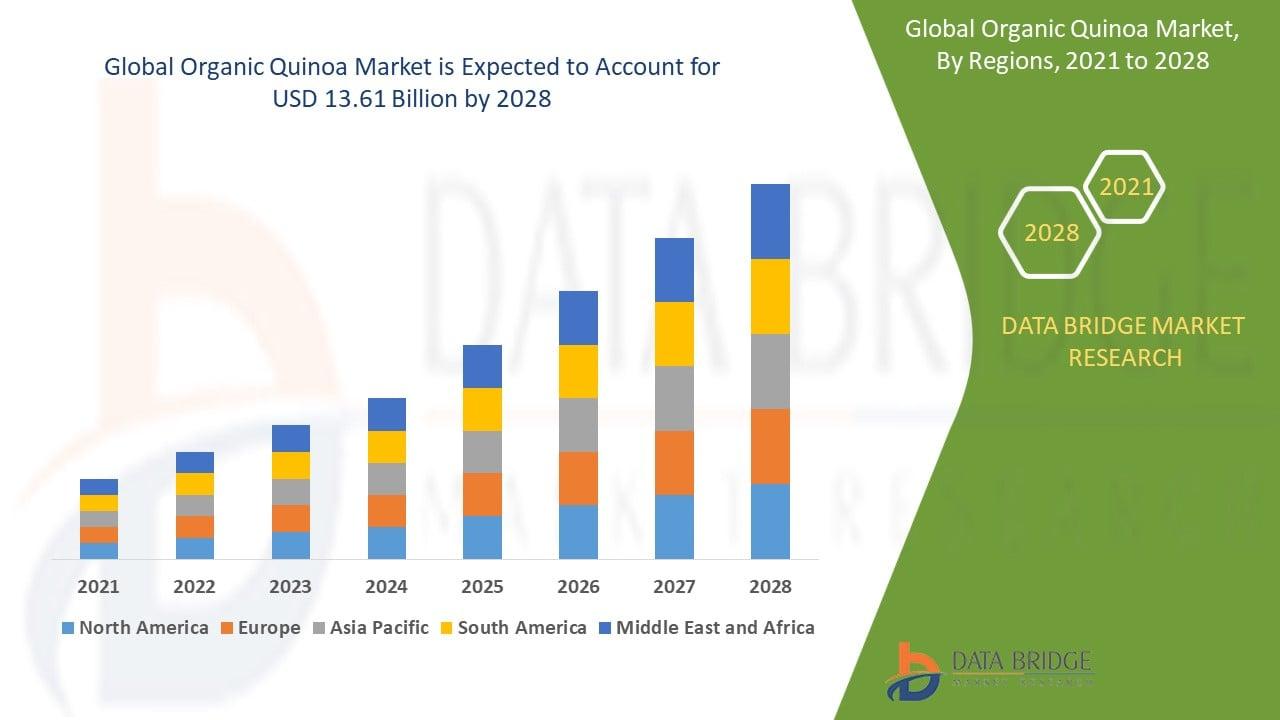
"Organic Quinoa Market Summary According to the latest report published by Data Bridge Market Research, the Organic Quinoa Market The global organic quinoa market size was valued at USD 9.32 billion in 2024 and is projected to reach USD 19.83 billion by 2032, with a CAGR of 9.90% during the forecast period of 2025 to 2032. For an effectual business growth, companies must adopt market...
Dubai has become a leading destination for advanced aesthetic procedures, and Buccal Fat Removal in Dubai is one of the most sought-after treatments for facial slimming. This cosmetic procedure focuses on reducing fullness in the lower cheeks to create a more defined and contoured facial structure. Many individuals seek buccal fat removal Dubai cosmetic clinics for a refined, sculpted look that...

Лазерный очиститель ржавчины — это устройство, которое изменяет подход к уходу за металлическими поверхностями. С его помощью удаление ржавчины, нагара, краски и других загрязнений становится быстрым, точным и безопасным. Современные технологии позволяют работать с различными видами металлов, сохраняя их структуру и долговечность. Металлические конструкции, машины, инструменты и...

The field workforce has become a problem to most businesses particularly those with employees who do not work in the office like the sales team, service technicians, delivery agents, on-site operators and support staff. In the absence of the appropriate tools, it is hard to track their location, productivity, attendance, and the progress of their tasks. Field employee tracking software is...

When time is tight and first impressions matter, finding the right print shop Singapore businesses can trust becomes absolutely essential. In today’s fast-moving marketplace, high-quality printed materials can make the difference between blending in and standing out. That’s where Landmark Print rises above the competition. With exceptional craftsmanship, lightning-fast turnaround...