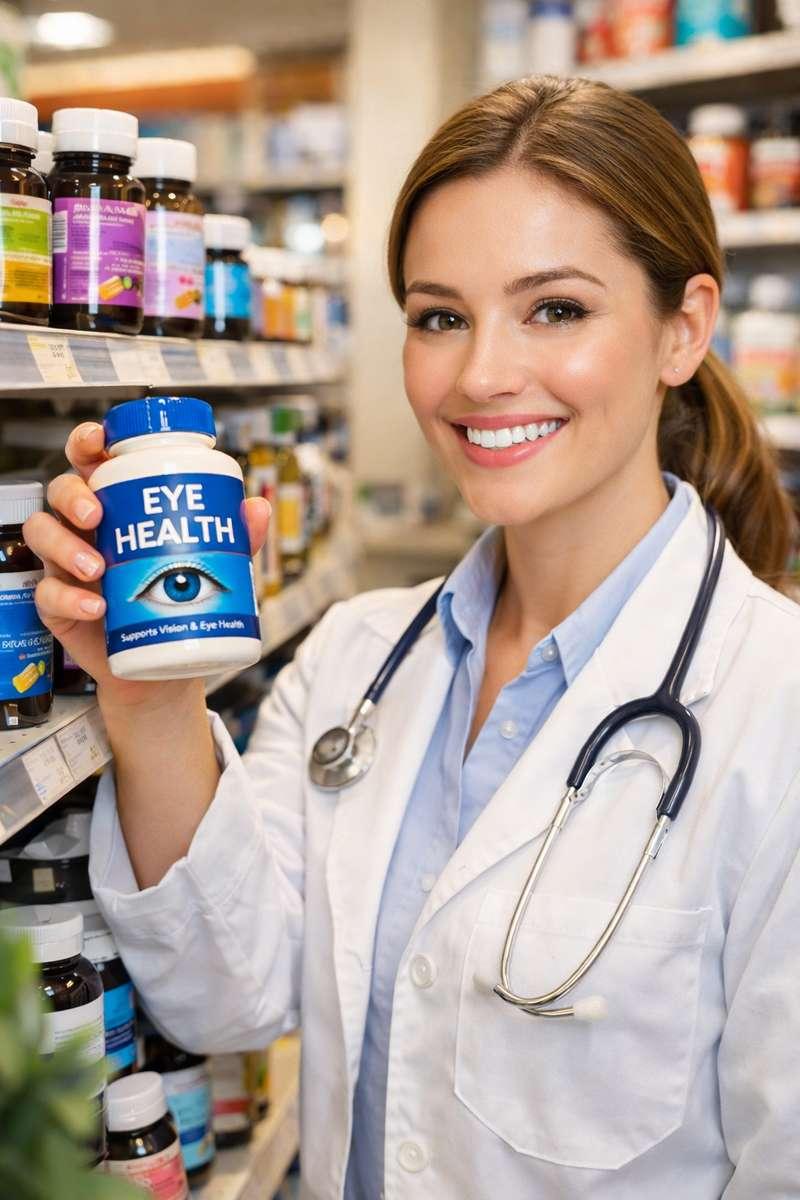
Vision is one of the most valuable senses, allowing us to navigate the world, communicate effectively, work productively, and enjoy everyday experiences. Yet many people take their eye health for granted until they begin experiencing symptoms such as eye strain, dryness, irritation, blurred vision, or changes in visual clarity. In today's digital environment, where screens dominate both professional and personal life, maintaining healthy eyes has become more important than ever.
Ophthalmology, the branch of medicine dedicated to eye and vision care, plays a crucial role in diagnosing, treating, and managing a wide range of eye conditions. From routine eye examinations to advanced surgical procedures, ophthalmologists help individuals preserve vision and address eye-related concerns throughout life.
However, while medical eye care is essential, many people are beginning to recognize that long-term eye wellness requires more than clinical treatment alone. Factors such as nutrition, lifestyle habits, environmental exposure, and daily eye care practices significantly influence ocular health. As a result, a growing number of individuals are combining professional ophthalmic care with natural approaches that support vision and eye comfort from within.
This article explores the importance of ophthalmology, the challenges associated with modern eye care, the role of nutrition in maintaining healthy vision, and how a holistic approach can support long-term eye health and visual performance.
Understanding Ophthalmology
Ophthalmology is a specialized field of medicine focused on the diagnosis, treatment, prevention, and management of diseases and disorders affecting the eyes and visual system.
Ophthalmologists are medical doctors trained to:
- Perform comprehensive eye examinations
- Diagnose vision problems
- Prescribe medications
- Manage eye diseases
- Conduct surgical procedures
- Monitor chronic eye conditions
- Provide preventive eye care
They treat a wide variety of conditions, including:
- Cataracts
- Glaucoma
- Macular degeneration
- Diabetic retinopathy
- Dry eye syndrome
- Eye infections
- Retinal disorders
- Corneal diseases
- Vision correction needs
Through advanced diagnostic tools and medical expertise, ophthalmologists help protect vision and improve quality of life for millions of people worldwide.
The Growing Importance of Eye Health
Modern lifestyles place unprecedented demands on our eyes.
Increased Screen Time
Most adults spend several hours each day looking at digital devices such as:
- Computers
- Smartphones
- Tablets
- Televisions
Extended screen use can contribute to digital eye strain, which may include symptoms such as:
- Eye fatigue
- Dryness
- Blurred vision
- Headaches
- Difficulty focusing
- Neck and shoulder discomfort
Environmental Factors
Daily exposure to environmental stressors can affect eye comfort and health:
- Air pollution
- Dust and allergens
- Dry indoor air
- Air conditioning
- UV radiation
- Artificial lighting
Aging Population
As people live longer, age-related eye conditions are becoming increasingly common. Maintaining healthy vision throughout life requires proactive care and preventive measures.
Nutritional Challenges
Many modern diets lack important nutrients that support healthy eye function, making nutritional support an important aspect of long-term eye wellness.
Common Eye Health Challenges
Dry Eye Syndrome
Dry eye occurs when the eyes do not produce enough tears or when tears evaporate too quickly.
Symptoms may include:
- Burning sensations
- Irritation
- Redness
- Sensitivity to light
- Blurred vision
- Foreign body sensation
Dry eye is increasingly common among people who spend long hours using digital devices.
Digital Eye Strain
Also known as computer vision syndrome, digital eye strain results from prolonged use of screens.
Common symptoms include:
- Eye fatigue
- Blurry vision
- Dryness
- Difficulty concentrating
- Headaches
Taking regular breaks and supporting eye health through proper nutrition may help reduce discomfort.
Eye Inflammation
Inflammation can affect various structures of the eye and may result from:
- Allergies
- Environmental irritants
- Infections
- Chronic health conditions
Managing inflammation is important for maintaining comfort and protecting visual function.
Age-Related Vision Changes
Natural aging can affect the eyes in various ways, including:
- Reduced focusing ability
- Increased sensitivity to glare
- Difficulty seeing in low light
- Changes in visual clarity
While aging cannot be stopped, healthy lifestyle habits may help support vision throughout life.
Limitations of Traditional Eye Treatments
Modern ophthalmology offers numerous effective treatments for eye conditions. However, many treatments primarily focus on symptom management rather than addressing underlying lifestyle and nutritional factors.
Symptom Relief Versus Long-Term Support
Prescription eye drops, medications, and clinical treatments can provide significant relief, but they may not fully address factors contributing to ongoing discomfort.
Examples include:
- Poor nutrition
- Screen overuse
- Environmental stress
- Tear film imbalance
- Chronic inflammation
Ongoing Maintenance Requirements
Certain eye conditions require:
- Regular monitoring
- Frequent appointments
- Long-term medication use
- Repeated treatments
While necessary, these approaches may not always promote overall eye wellness independently.
Potential Side Effects
Some ophthalmic medications may cause side effects such as:
- Dryness
- Burning sensations
- Redness
- Irritation
- Light sensitivity
This has encouraged many individuals to explore supportive strategies that complement professional care.
The Role of Nutrition in Eye Health
Nutrition plays a fundamental role in maintaining healthy vision and protecting delicate eye structures.
The eyes require a variety of nutrients to function optimally, including antioxidants, vitamins, minerals, and healthy fats.
Proper nutrition can help:
- Support retinal health
- Protect against oxidative stress
- Maintain tear quality
- Promote visual clarity
- Support healthy aging
Key Nutrients for Healthy Eyes
Lutein
Lutein is a carotenoid concentrated in the retina and macula.
Benefits include:
- Filtering harmful blue light
- Supporting visual performance
- Protecting retinal cells
- Promoting long-term eye health
Zeaxanthin
Zeaxanthin works alongside lutein to support retinal protection.
Benefits include:
- Supporting macular health
- Protecting against oxidative stress
- Improving visual comfort
- Supporting color perception
Omega-3 Fatty Acids
Omega-3 fats play a vital role in eye function.
Benefits include:
- Supporting tear production
- Reducing dryness
- Maintaining retinal health
- Supporting visual development
Vitamin A
Vitamin A is essential for normal vision.
Benefits include:
- Supporting low-light vision
- Maintaining healthy eye tissues
- Promoting visual clarity
- Supporting tear production
Vitamin C
Vitamin C acts as a powerful antioxidant.
Benefits include:
- Protecting eye tissues
- Supporting collagen production
- Reducing oxidative stress
- Supporting blood vessel health
Vitamin E
Vitamin E helps protect delicate eye cells from free radical damage.
Benefits include:
- Antioxidant protection
- Supporting cellular health
- Promoting long-term eye wellness
Zinc
Zinc supports multiple aspects of visual function.
Benefits include:
- Supporting retinal health
- Assisting vitamin A transport
- Supporting night vision
- Promoting cellular repair
Natural Eye Supplements and Their Benefits
Natural eye health supplements have become increasingly popular because they provide concentrated amounts of nutrients known to support ocular health.
These supplements often contain:
- Lutein
- Zeaxanthin
- Omega-3 fatty acids
- Vitamin A
- Vitamin C
- Vitamin E
- Zinc
- Botanical antioxidants
When used consistently, quality eye supplements may help support:
- Visual clarity
- Eye comfort
- Retinal health
- Reduced eye fatigue
- Long-term ocular wellness
It is important to note that supplements should complement, not replace, professional medical care.
The Importance of Eye Hygiene
Proper eye hygiene is an often-overlooked aspect of eye health.
Daily eye care habits can help reduce irritation and support comfort.
Helpful practices include:
Gentle Eyelid Cleansing
Removing debris, oils, and environmental buildup may support healthier eyelids and tear production.
Warm Compresses
Warm compresses can help maintain healthy oil gland function and improve comfort.
Avoiding Eye Rubbing
Frequent rubbing can contribute to irritation and inflammation.
Proper Contact Lens Care
Following recommended hygiene practices helps reduce infection risk.
Lifestyle Habits That Support Healthy Vision
Follow the 20-20-20 Rule
Every 20 minutes, look at something 20 feet away for at least 20 seconds.
This simple habit helps reduce digital eye strain.
Stay Hydrated
Adequate hydration supports tear production and overall eye comfort.
Wear UV Protection
Quality sunglasses help protect the eyes from harmful ultraviolet radiation.
Prioritize Sleep
Adequate rest allows the eyes to recover from daily visual demands.
Maintain a Nutrient-Rich Diet
Foods rich in antioxidants, vitamins, and healthy fats support long-term eye health.
Examples include:
- Leafy greens
- Carrots
- Sweet potatoes
- Salmon
- Eggs
- Citrus fruits
- Nuts and seeds
A Holistic Approach to Eye Wellness
A holistic approach combines professional ophthalmology care with healthy lifestyle habits and nutritional support.
This comprehensive strategy focuses on:
- Prevention
- Protection
- Comfort
- Long-term wellness
Components include:
Professional Eye Care
Regular examinations help detect issues early and monitor eye health.
Nutritional Support
Eye-friendly nutrients support healthy visual function and retinal protection.
Daily Eye Care Practices
Consistent hygiene and healthy habits promote comfort and resilience.
Environmental Awareness
Reducing excessive screen exposure and protecting against environmental stressors helps preserve eye health.
Frequently Asked Questions
Can nutrition really affect eye health?
Yes. Nutrients such as lutein, zeaxanthin, omega-3 fatty acids, vitamin A, vitamin C, vitamin E, and zinc play important roles in maintaining healthy vision and protecting eye tissues.
Are eye supplements a substitute for eye exams?
No. Supplements should complement regular eye examinations and professional care, not replace them.
Can natural approaches help with digital eye strain?
Healthy habits such as screen breaks, hydration, proper lighting, and nutritional support may help reduce discomfort associated with digital eye strain.
How often should I have an eye examination?
The appropriate frequency varies based on age, health status, and individual risk factors. Consult an eye care professional for personalized recommendations.
Conclusion
Healthy vision is essential for quality of life, productivity, and overall well-being. While ophthalmology provides invaluable medical expertise for diagnosing and treating eye conditions, long-term eye health often requires a broader approach that includes nutrition, lifestyle modifications, preventive care, and daily eye wellness practices.
Modern challenges such as digital eye strain, environmental stressors, aging, and nutritional deficiencies can place significant demands on our eyes. By combining professional ophthalmic care with supportive strategies such as proper eye hygiene, nutrient-rich nutrition, protective eyewear, and high-quality eye health supplements, individuals can create a comprehensive plan for maintaining clear, comfortable vision.
Protecting your eyesight is an investment in your future. Through informed choices, regular eye care, and consistent attention to overall eye wellness, it is possible to support healthy vision, reduce eye discomfort, and enjoy stronger ocular health for years to come.