


How Do Reaction Kettles Control Temperature So Well?

Not all reaction kettles are created equal, and understanding the differences between designs can save a processing facility from a costly mismatch between equipment and chemistry. The wrong kettle for a given process doesn't just underperform — it can compromise product quality, create safety risks, and shorten equipment lifespan significantly.
Pressure rating is one of the first specifications to pin down. Many chemical reactions generate gas, involve volatile solvents, or need to run under elevated pressure to proceed at a useful rate. A reaction kettle intended for pressurized operation requires heavier vessel walls, pressure-rated fittings, safety relief devices, and appropriate sealing systems around the agitator shaft. Getting this specification wrong has consequences that go well beyond inconvenience.
Vacuum capability is equally important in certain applications. Reactions involving moisture-sensitive reagents, distillation steps, or solvent removal under reduced pressure require a kettle rated for vacuum service. The vessel must maintain structural integrity under negative pressure, and all seals and connections need to hold without drawing in air. Pharmaceutical crystallization, for instance, frequently runs under vacuum to control solvent evaporation and particle size distribution in the final product.
Cleaning and validation requirements drive many design choices in regulated industries. Smooth internal surfaces, crevice-free welds, and fully drainable vessel geometry reduce the time and effort required between batches. Reaction kettles destined for pharmaceutical use often undergo surface finishing and documentation processes that add cost but support the validation requirements that regulatory agencies expect.
Catégories
Lire la suite
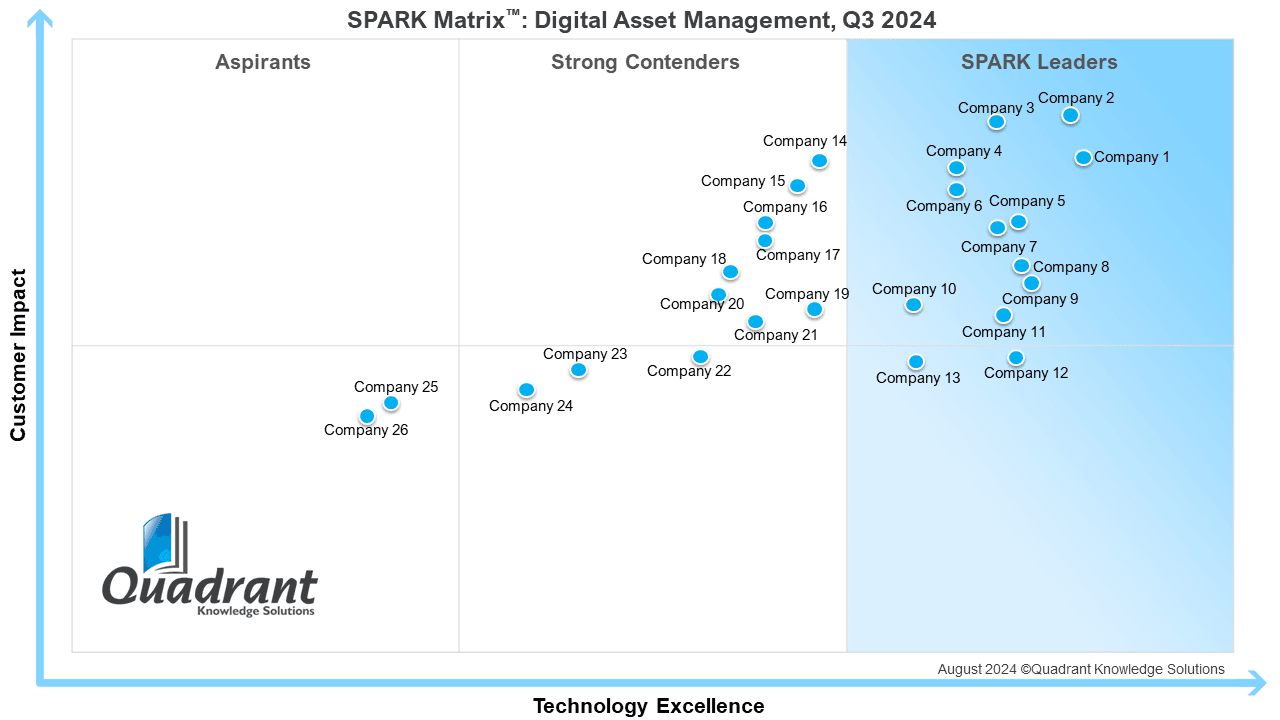
In today’s digital-first business environment, organizations are producing an unprecedented volume of digital content across marketing, sales, customer engagement, and operational functions. From videos and presentations to product images, social media assets, and creative files, enterprises are struggling to manage and organize their growing content ecosystems efficiently. As businesses...
Three months have passed since Elden Ring: Nightreign launched its paid Forsaken Hollows DLC, introducing two new Nightfarers, an additional map, two final bosses, and a variety of fresh enemies and events. Since then, the community’s patience is wearing thin, as fans eagerly await news or confirmation of another substantial update—or at least the arrival of the long-anticipated...

Dg Club Game: Understanding the Digital Gaming Platform The growth of online entertainment has changed how people discover and access gaming platforms. With smartphones, faster internet connections, and increasingly convenient digital services, users can explore gaming experiences from a variety of connected devices. Dg Club Game is a search term used by people looking for information...

>>Tap to here - https://www.facebook.com/VigorPeakGermany/ VigorPeak Germany is positioned within the growing men’s wellness industry as a supplement designed to support energy, stamina, and overall vitality. While it is not a replacement for a healthy lifestyle, it can be part of a broader approach to maintaining daily performance and well-being. >>Follow Me On...
Sage Oil Manufacturers are becoming increasingly important as industries seek high-quality botanical oils for cosmetics, aromatherapy, pharmaceuticals, and personal care products. Sage oil is valued for its natural cleansing, soothing, and antioxidant properties, making it a preferred ingredient in skincare formulations, massage oils, and wellness products. Reliable manufacturers use carefully...
