Salt Free Water Softener: A Modern Solution for Cleaner, Healthier Water
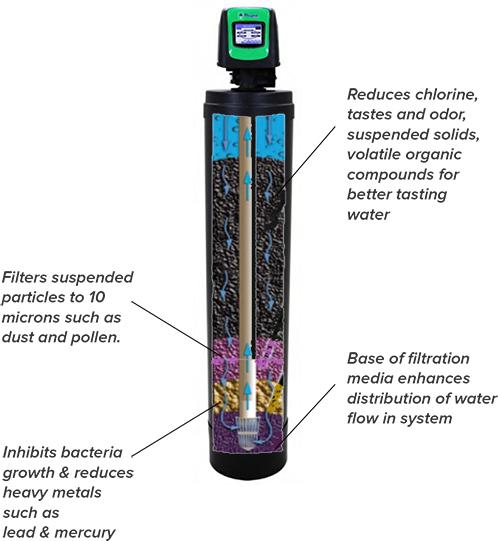
Hard water is a common issue for homeowners across the country. High levels of minerals such as calcium and magnesium can create scale buildup, reduce appliance efficiency, leave spots on dishes, and affect the feel of your water. While traditional water softeners have long been used to address hard water problems, many homeowners are now turning to a salt free water Softener as an eco-friendly and low-maintenance alternative.
A salt free water Softener offers an innovative way to manage hard water without adding sodium or requiring regular salt replenishment. These systems are becoming increasingly popular among homeowners who want cleaner water while reducing environmental impact and maintenance requirements.
In this guide, we'll explore how salt-free systems work, their benefits, and why they may be the ideal solution for your home.
What Is a Salt Free Water Softener?
A salt free water Softener is a water treatment system designed to prevent the negative effects of hard water without using salt or ion exchange technology. Unlike traditional softeners that remove hardness minerals from water, salt-free systems alter the behavior of those minerals so they are less likely to form scale deposits.
These systems are often referred to as water conditioners because they condition the minerals rather than removing them entirely. Through advanced conditioning technology, calcium and magnesium remain in the water but are transformed into microscopic crystals that do not adhere to pipes, fixtures, or appliances.
As a result, homeowners can enjoy many of the benefits associated with soft water without the need for salt, electricity, or wastewater discharge.
How a Salt Free Water Softener Works
A salt free water Softener uses specialized media that triggers a process known as Template Assisted Crystallization (TAC) or similar conditioning technologies.
The process generally works as follows:
-
Hard water enters the conditioning tank.
-
The treatment media converts hardness minerals into stable microscopic crystals.
-
These crystals remain suspended in the water.
-
The conditioned minerals pass through plumbing systems without forming scale buildup.
Unlike traditional softeners, the minerals are not removed. Instead, their ability to attach to surfaces is significantly reduced.
This innovative process helps protect plumbing and appliances while maintaining beneficial minerals in the water supply.
Benefits of Installing a Salt Free Water Softener
Many homeowners choose a salt free water Softener because of its numerous advantages over conventional water softening systems.
Environmentally Friendly
One of the biggest benefits is environmental sustainability. Traditional softeners discharge salty wastewater during regeneration cycles, which can contribute to environmental concerns.
A salt free water Softener does not require regeneration, making it a more eco-friendly choice that conserves water and reduces waste.
No Salt Required
Homeowners no longer need to purchase, store, or carry heavy bags of salt.
Without the need for ongoing salt replenishment, maintenance becomes significantly easier and more convenient.
Preserves Healthy Minerals
Calcium and magnesium are naturally occurring minerals found in drinking water.
A salt free water Softener allows these beneficial minerals to remain in the water while minimizing their scaling effects.
Lower Maintenance
Traditional systems require regular maintenance such as adding salt and monitoring regeneration cycles.
Salt-free systems typically require minimal maintenance, often involving only occasional filter replacement depending on the system design.
No Electricity Needed
Many salt-free conditioning systems operate without electricity.
This reduces operating costs and allows the system to continue functioning during power outages.
Extends Appliance Lifespan
Scale buildup can reduce the efficiency and lifespan of water heaters, dishwashers, washing machines, and other appliances.
By reducing scale formation, a salt free water Softener helps protect expensive household equipment and improves overall performance.
Salt Free Water Softener vs. Traditional Water Softener
Understanding the differences between these two technologies can help homeowners make informed decisions.
Traditional Water Softeners
Traditional systems use ion exchange technology to remove calcium and magnesium from water.
Advantages include:
-
Effective hardness removal
-
Reduced soap consumption
-
Softer feeling water
However, they also require:
-
Salt refills
-
Electricity
-
Water for regeneration
-
Ongoing maintenance
Salt-Free Systems
A salt free water Softener conditions minerals rather than removing them.
Advantages include:
-
No salt required
-
No wastewater discharge
-
Minimal maintenance
-
Environmentally friendly operation
-
Retention of healthy minerals
The best option depends on individual water conditions and household preferences.
Signs You May Need a Salt Free Water Softener
Several indicators suggest hard water may be affecting your home.
Common signs include:
-
White scale buildup on faucets
-
Water spots on dishes and glassware
-
Reduced water heater efficiency
-
Mineral deposits in pipes
-
Dry skin after bathing
-
Soap scum in showers and sinks
-
Frequent appliance maintenance
If you notice these issues, a salt free water Softener may provide an effective solution.
Advantages for Homeowners
Homeowners often appreciate the long-term benefits that come with installing a salt free water Softener.
Better Plumbing Protection
Mineral scaling inside pipes can gradually restrict water flow.
Conditioned minerals are less likely to adhere to plumbing surfaces, helping maintain efficient water movement throughout the home.
Improved Water Heater Performance
Water heaters are particularly vulnerable to scale accumulation.
Reducing scale can improve energy efficiency and lower utility costs over time.
Cleaner Fixtures
Many homeowners notice reduced mineral deposits on faucets, showerheads, and sinks after installing a salt-free conditioning system.
This can make cleaning easier and help fixtures maintain their appearance.
Long-Term Savings
Although the initial investment may vary, a salt free water Softener can help reduce expenses associated with appliance repairs, plumbing maintenance, and salt purchases.
Is a Salt Free Water Softener Right for Your Home?
A salt free water Softener is often an excellent choice for homeowners who:
-
Want environmentally friendly water treatment
-
Prefer low-maintenance systems
-
Wish to avoid adding sodium to water
-
Want to protect appliances from scale buildup
-
Live in areas with moderate hard water conditions
A professional water analysis can help determine whether a salt-free system is the best solution for your specific water quality needs.
Choosing the Right Salt Free Water Softener
When selecting a salt free water Softener, consider the following factors:
Water Hardness Levels
Different systems are designed to handle varying hardness levels.
Testing your water before purchase helps ensure optimal performance.
Household Water Usage
Choose a system appropriately sized for your home's water consumption.
Larger households may require higher-capacity conditioning systems.
Certification and Quality
Look for reputable manufacturers that provide proven performance data and quality certifications.
Maintenance Requirements
While maintenance is generally minimal, reviewing replacement schedules and service recommendations can help ensure long-term reliability.
Professional Installation Matters
Although some homeowners may consider DIY installation, professional installation offers several advantages:
-
Proper system sizing
-
Correct plumbing integration
-
Optimal performance
-
Manufacturer warranty compliance
-
Professional water testing
Experienced water treatment professionals can help ensure your salt free water Softener delivers the best possible results.
Conclusion
A salt free water Softener provides an effective, environmentally responsible solution for homeowners seeking protection from hard water without the hassles associated with traditional salt-based systems. By conditioning hardness minerals rather than removing them, these systems help reduce scale buildup, protect appliances, preserve beneficial minerals, and minimize maintenance requirements.
For homeowners looking to improve water quality while maintaining convenience and sustainability, a salt free water Softener offers an excellent long-term investment. With proper sizing, professional installation, and regular system maintenance, you can enjoy cleaner water, enhanced appliance performance, and greater peace of mind for years to come.
At Rayne Water, we are committed to providing advanced water treatment solutions that help homeowners enjoy healthier, better-quality water. Our salt-free systems are designed to deliver reliable performance, reduce maintenance, and protect your home's plumbing and appliances, making Rayne Water a trusted choice for modern water conditioning solutions.
Categorii
Citeste mai mult
According to TechSci Research report, “Brazil Retreading Tire Market – By Region, Competition, Opportunities and Forecast, 2020-2030F”, the Brazil Retreading Tire Market was valued at USD 9.5 billion in 2024 and is projected to reach USD 16.2 billion by 2030, growing at a CAGR of 9.2% during the forecast period. This remarkable growth trajectory reflects the increasing...
The Mavericks vs Nuggets NBA matchup delivered a high-quality contest filled with strong individual performances and smart team basketball. This complete box score analysis breaks down player stats, key contributions, and how each team performed across major statistical categories. Match Summary Overview From the opening tip-off, both teams played with intensity. The Mavericks focused on pace,...

Gaming has evolved significantly over the years, offering players countless opportunities to immerse themselves in exciting virtual worlds. One platform that has recently caught the attention of avid gamers is Game Vault 999 Download. Known for its extensive collection of games, intuitive interface, and smooth performance, Game Vault 999 is redefining how players access and enjoy their favorite...

When comfort, reliability, and presentation matter, Limo Service In Vancouver offered by Kavanagh Limo delivers a travel experience that feels effortless and refined. Serving clients in New Westminster, BC, our approach focuses on safety, polished service, and smooth city travel. Whether you are heading to a business meeting, airport, or special engagement, every ride is planned with care. From...

Real Time Delivery Tracking Strategies That Cut Operational Costs Studies show that up to 30% of money of a company can be chewed due to fuel costs and bad routing. Many delivery companies are losing thousands of dollars a month merely because they cannot view the location of their drivers at any one time of the month. Real Time Delivery Tracking will help you to identify those wasteful points...