


Diagnostic Services: The Foundation of Accurate Healthcare and Early Disease Detection
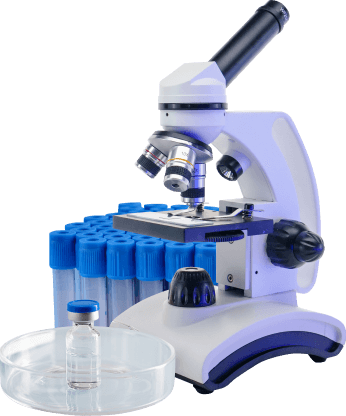
Healthcare today relies heavily on timely and accurate diagnoses to ensure effective treatment and positive patient outcomes. Whether identifying chronic conditions, detecting infections, monitoring ongoing treatments, or supporting preventive care, Diagnostic Services play a critical role in modern medicine.
Advancements in laboratory technology, molecular testing, genetic analysis, and clinical diagnostics have transformed the healthcare landscape. Patients and healthcare providers now have access to faster, more accurate, and highly specialized testing solutions that support informed medical decisions.
In this guide, we will explore the importance of Diagnostic Services, the different types available, their benefits, and how they contribute to better healthcare outcomes for individuals and communities.
What Are Diagnostic Services?
Diagnostic Services refer to a broad range of medical tests, laboratory analyses, imaging procedures, and screening methods used to identify diseases, evaluate health conditions, and monitor treatment effectiveness.
These services provide healthcare professionals with critical information needed to diagnose illnesses accurately and develop appropriate treatment plans.
Diagnostic testing may be used to:
-
Detect diseases in their early stages
-
Confirm suspected medical conditions
-
Monitor chronic illnesses
-
Evaluate treatment effectiveness
-
Screen for genetic disorders
-
Identify infectious diseases
-
Assess overall health status
Without reliable diagnostic testing, healthcare providers would face significant challenges in delivering precise and effective care.
Why Diagnostic Services Are Essential in Modern Healthcare
The importance of Diagnostic Services extends far beyond simply identifying diseases. They form the foundation of evidence-based medical decision-making.
Early Disease Detection
Many serious illnesses develop gradually and may not show symptoms during their early stages. Diagnostic testing helps detect diseases before symptoms appear, allowing earlier intervention and improved outcomes.
Examples include:
-
Cancer screenings
-
Diabetes testing
-
Cardiovascular risk assessments
-
Genetic screening programs
Early detection often leads to more successful treatment and lower healthcare costs.
Accurate Medical Diagnosis
Symptoms can often overlap among multiple conditions. Diagnostic tests help healthcare providers determine the exact cause of a patient's symptoms.
Accurate diagnosis reduces the risk of:
-
Misdiagnosis
-
Delayed treatment
-
Unnecessary procedures
-
Medication errors
Treatment Monitoring
Healthcare professionals use Diagnostic Services to track patient progress and determine whether treatments are working effectively.
Examples include:
-
Blood glucose monitoring
-
Cancer biomarker testing
-
Liver and kidney function tests
-
Hormone level assessments
Regular monitoring allows physicians to adjust treatment plans when necessary.
Types of Diagnostic Services
Modern healthcare facilities offer a wide variety of diagnostic solutions designed to address diverse medical needs.
Clinical Laboratory Testing
Clinical laboratories perform tests on samples such as:
-
Blood
-
Urine
-
Saliva
-
Tissue
-
Stool
Common laboratory tests include:
-
Complete blood counts (CBC)
-
Lipid profiles
-
Metabolic panels
-
Thyroid function tests
-
Infectious disease testing
These tests provide valuable information about a patient's overall health.
Molecular Diagnostics
Molecular diagnostics examine genetic material and biomarkers to identify diseases at the molecular level.
Applications include:
-
Cancer diagnostics
-
Genetic disorder testing
-
Infectious disease detection
-
Personalized medicine
Molecular testing has become one of the fastest-growing areas within Diagnostic Services due to its precision and accuracy.
Genetic Testing
Genetic diagnostics help identify inherited conditions and assess an individual's risk for certain diseases.
Benefits include:
-
Family planning support
-
Early disease prediction
-
Personalized treatment recommendations
-
Preventive healthcare planning
Genetic testing plays an increasingly important role in precision medicine.
Infectious Disease Diagnostics
Rapid and accurate identification of infectious agents is essential for effective treatment and disease control.
Examples include testing for:
-
Viral infections
-
Bacterial infections
-
Fungal infections
-
Parasitic diseases
Advanced diagnostic platforms can often provide results within hours instead of days.
Pathology Services
Pathology laboratories analyze tissue and cellular samples to diagnose diseases such as cancer and autoimmune disorders.
Pathologists provide detailed reports that guide treatment decisions and disease management strategies.
How Diagnostic Services Support Precision Medicine
Precision medicine aims to customize healthcare based on individual patient characteristics, including genetics, environment, and lifestyle.
Diagnostic Services are central to this approach because they provide the data necessary to develop personalized treatment plans.
Benefits of precision medicine include:
-
Improved treatment effectiveness
-
Reduced side effects
-
Faster recovery times
-
Better long-term outcomes
By understanding the unique biological profile of each patient, healthcare providers can make more targeted clinical decisions.
The Role of Technology in Diagnostic Services
Technological innovation has significantly improved the speed, accuracy, and accessibility of diagnostic testing.
Automation
Automated laboratory systems help process thousands of samples efficiently while reducing human error.
Benefits include:
-
Faster turnaround times
-
Increased accuracy
-
Enhanced productivity
-
Consistent results
Artificial Intelligence
Artificial intelligence is increasingly used to analyze complex diagnostic data and identify patterns that may not be immediately apparent.
AI applications include:
-
Disease prediction
-
Image analysis
-
Risk assessment
-
Diagnostic decision support
Digital Reporting
Modern Diagnostic Services often provide digital reporting platforms that allow healthcare providers to access results quickly and securely.
Digital systems improve communication and support faster treatment decisions.
Benefits of High-Quality Diagnostic Services
Healthcare providers and patients benefit significantly from reliable diagnostic testing.
Improved Patient Outcomes
Accurate diagnoses lead to:
-
Faster treatment initiation
-
Better disease management
-
Reduced complications
-
Enhanced quality of life
Better Healthcare Efficiency
Efficient diagnostic workflows reduce delays and improve resource utilization throughout the healthcare system.
Cost Savings
Early diagnosis and preventive care often reduce the need for expensive treatments and hospitalizations.
Enhanced Public Health
Diagnostic testing supports disease surveillance, outbreak management, and population health initiatives.
Reliable testing contributes to healthier communities and improved public health outcomes.
Diagnostic Services in Disease Prevention
Preventive healthcare is becoming a major focus for healthcare organizations worldwide.
Preventive Diagnostic Services help identify risk factors before disease develops.
Examples include:
-
Cholesterol screening
-
Blood pressure monitoring
-
Cancer screenings
-
Genetic risk assessments
-
Diabetes screening
Preventive testing empowers patients to make informed lifestyle choices and reduce their long-term health risks.
Choosing the Right Diagnostic Services Provider
Selecting a trusted diagnostics partner is essential for ensuring accurate results and quality patient care.
Consider the following factors:
Accreditation and Quality Standards
Look for laboratories and diagnostic providers that maintain recognized certifications and quality control programs.
Advanced Technology
Modern equipment and testing methodologies improve reliability and efficiency.
Comprehensive Test Menu
A broad range of testing capabilities ensures providers can meet diverse healthcare needs.
Fast Turnaround Times
Timely results enable quicker clinical decision-making and improved patient experiences.
Experienced Professionals
Qualified scientists, laboratory technicians, pathologists, and healthcare professionals contribute to high-quality diagnostic outcomes.
The Future of Diagnostic Services
The future of Diagnostic Services is being shaped by innovations in genomics, artificial intelligence, molecular biology, and digital healthcare.
Emerging trends include:
-
Point-of-care diagnostics
-
Liquid biopsy testing
-
Advanced genomic sequencing
-
AI-powered disease prediction
-
Personalized health monitoring
-
Remote diagnostic technologies
These advancements will continue improving diagnostic accuracy, accessibility, and patient-centered care.
As healthcare becomes increasingly data-driven, diagnostic solutions will play an even greater role in guiding treatment decisions and supporting preventive medicine.
Conclusion
Diagnostic Services are an essential component of modern healthcare, providing the accurate and timely information needed for effective disease detection, diagnosis, treatment, and prevention. From routine laboratory testing to advanced molecular diagnostics and genetic analysis, these services support better clinical decisions and improved patient outcomes.
As technology continues to evolve, diagnostic capabilities will become even more sophisticated, enabling earlier disease detection, personalized treatment strategies, and more efficient healthcare delivery. At Infinix Bio, we are committed to delivering innovative, reliable, and high-quality Diagnostic Services that empower healthcare providers with actionable insights and support better patient care. By investing in advanced diagnostic solutions, Infinix Bio helps healthcare organizations improve operational efficiency, enhance clinical outcomes, and contribute to healthier communities worldwide.
Categorie
Leggi tutto
Over the past decade, Visakhapatnam has transformed into one of India’s most dynamic coastal cities. Known for its scenic beaches and relaxed charm, Vizag is now equally recognized for its growing premium lifestyle culture. From luxury hospitality to curated social experiences, the city is steadily carving a niche for those who seek sophistication, comfort, and exclusivity. A City...

Sometimes people think sharing business updates needs big writing skills, but honestly, it does not work like that in daily practice. Most updates are simple, just written in a way that people can read fast and understand without thinking too much. That is where media releases come into play; they help pass information without making things heavy. You do not have to sound flawless here, just...

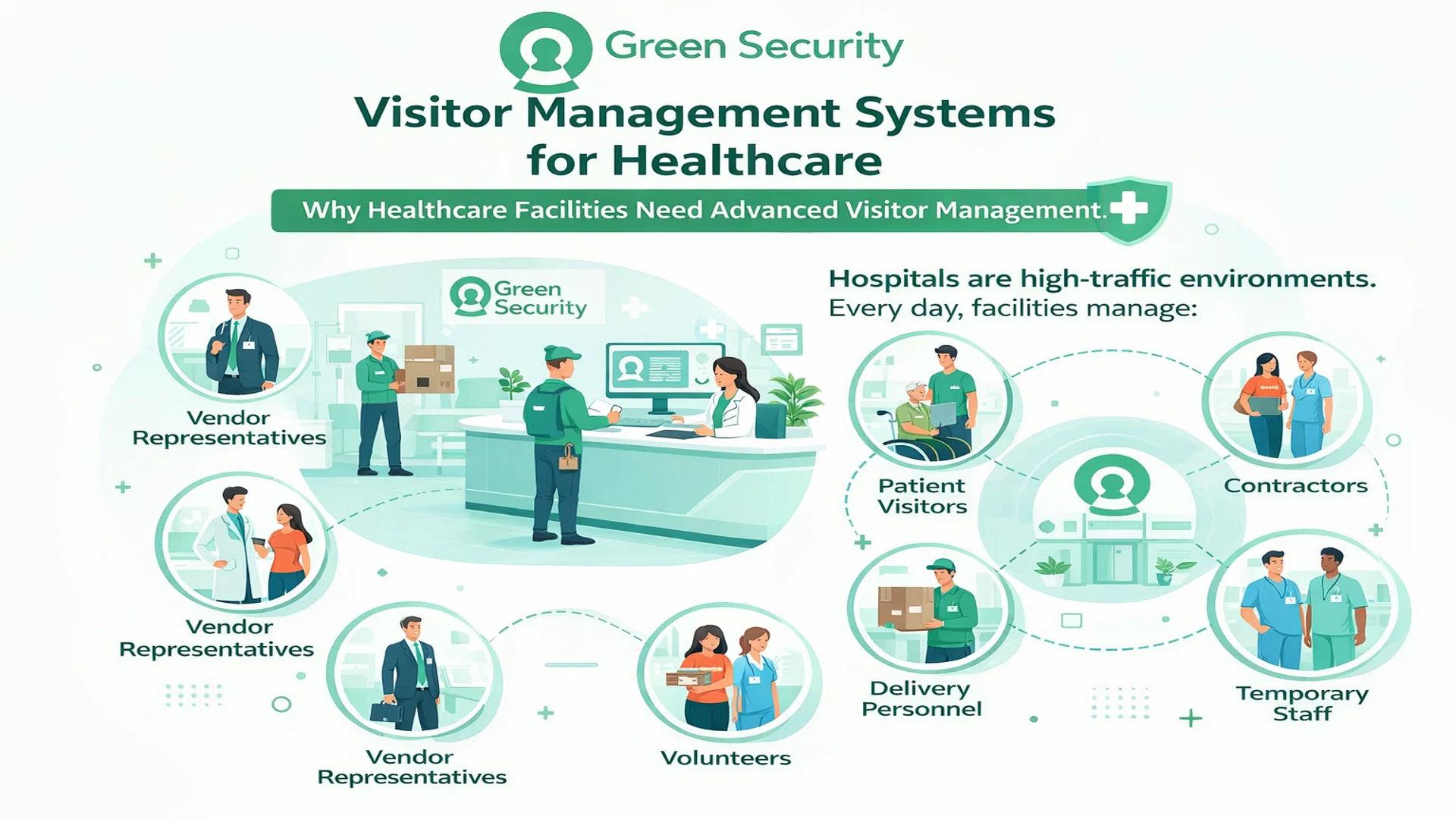
Healthcare facilities face growing security challenges. From vendors and contractors to patient guests and delivery personnel, hospitals must balance open access with strict compliance requirements. A modern Visitor Management System (VMS) helps protect what matters most — patients, staff, and sensitive environments — by identifying risks before they enter your facility. At Green...
" According to the latest report published by Data Bridge Market Research, the Coffee Machines Market The global coffee machine market was valued at USD 6.05 billion in 2024 and is expected to reach USD 8.47 billion by 2032. During the forecast period of 2025 to 2032 the market is likely to grow at a CAGR of 4.30%, primarily driven because it has become an essential way to begin the...

Mega Stones Location Guide Mega Stones in Pokémon Legends: Z-A are scattered throughout the game and can be easy to overlook. Their acquisition methods vary widely: some are available for purchase at shops, others must be exchanged for shards, and a select few are only obtainable after defeating rogue Mega Pokémon. This comprehensive guide provides a verified list of all Mega...