


Semiconductor Chip Handler and the Invisible Factory Race: How Precision Automation Is Redefining Every Second of Chip Manufacturing
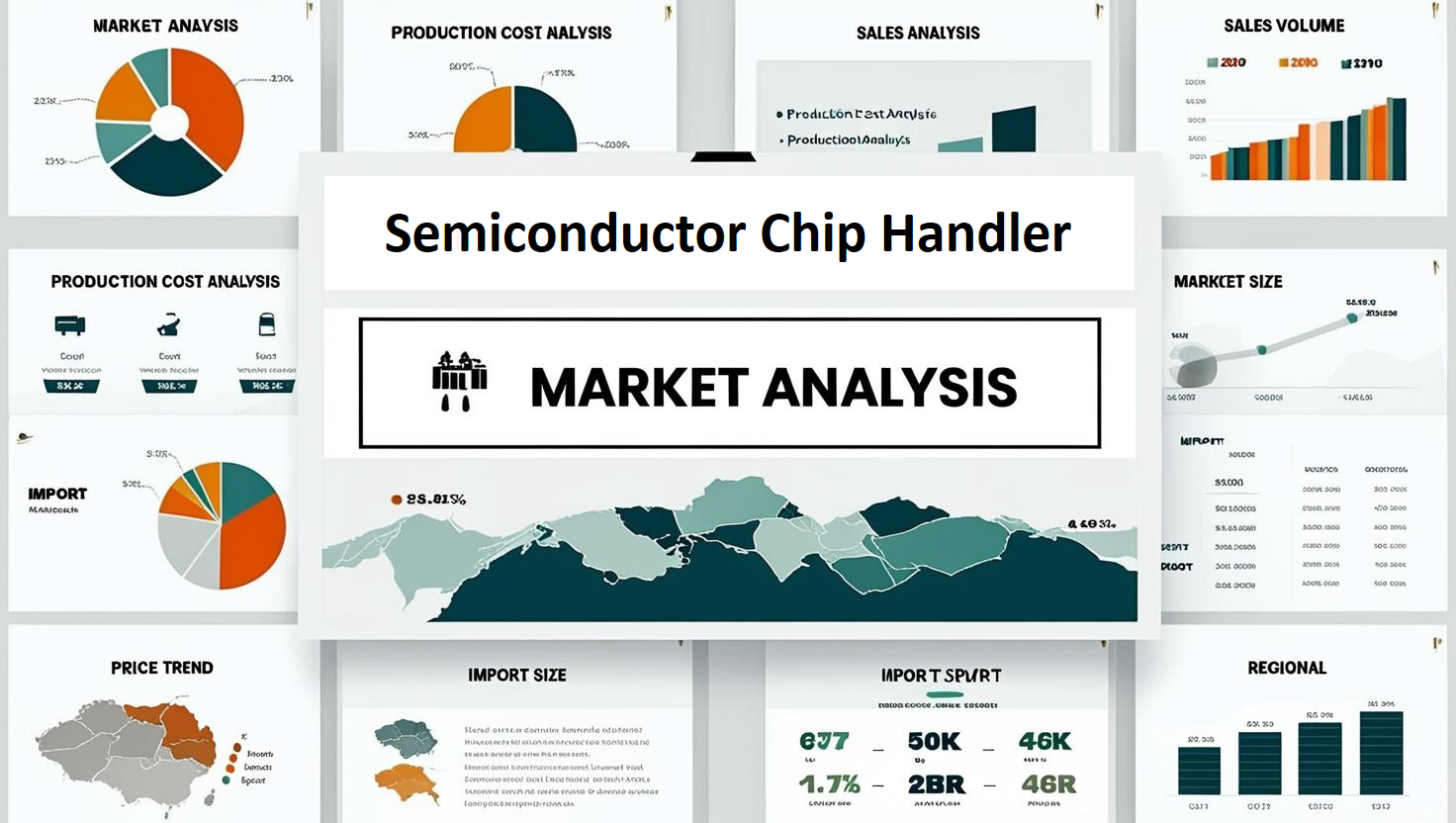
Semiconductor Chip Handler and the Invisible Factory Race: How Precision Automation Is Redefining Every Second of Chip Manufacturing
The semiconductor industry is often described through wafers, lithography systems, and advanced packaging. Yet one of the least discussed pieces of infrastructure is the Semiconductor chip handler market. Hidden between testing equipment and packaging lines, the Semiconductor chip handler determines whether millions of chips move through production with precision or become a bottleneck that slows an entire factory.
A modern semiconductor fabrication and testing ecosystem can process tens of millions of devices every month. In such an environment, moving a chip from one stage to another is no longer a logistics task; it is a precision engineering challenge measured in milliseconds, microns, and yield percentages. This is where the Semiconductor chip handler has become a strategic asset rather than a supporting machine.
Consider a high-volume automotive semiconductor facility. A single production line may test between 20,000 and 80,000 devices per hour depending on package type and testing complexity. If handling efficiency drops by just 2%, thousands of devices can remain unprocessed every day. Across a year, that translates into millions of units of deferred output. The economics explain why manufacturers increasingly invest in advanced Semiconductor chip handler infrastructure alongside testers and inspection systems.
The rise of artificial intelligence, electric vehicles, industrial automation, and connected devices has dramatically altered chip manufacturing requirements. Ten years ago, a significant portion of semiconductor production involved relatively standardized packages. Today, manufacturers must manage hundreds of package variants, thermal profiles, and testing requirements. Every variation increases the importance of the Semiconductor chip handler, which must sort, align, transport, and position devices without introducing defects.
Infrastructure investment patterns illustrate this shift. Industry associations tracking semiconductor capital expenditure have shown sustained increases in backend manufacturing investments since the early 2020s. While lithography and wafer fabrication continue to attract the largest spending, assembly, testing, and automation infrastructure have become major beneficiaries of capacity expansion programs. Within this environment, the Semiconductor chip handler functions as the bridge between test accuracy and manufacturing throughput.
The technical requirements are becoming more demanding each year. A typical advanced Semiconductor chip handler must position devices with repeatability measured in fractions of a millimeter while maintaining cycle times measured in seconds. Temperature-controlled handlers must expose chips to conditions ranging from below -40°C to above 150°C during reliability and performance testing. Such operating ranges are critical for automotive and aerospace semiconductors where environmental durability directly affects product qualification.
The infrastructure behind a Semiconductor chip handler extends far beyond robotic arms. Modern systems integrate machine vision, servo motors, thermal chambers, predictive maintenance software, vibration isolation systems, and factory automation networks. A single handler installation can incorporate dozens of sensors continuously monitoring alignment accuracy, device orientation, motion stability, and operating temperatures. The result is a production environment where data becomes as important as mechanical movement.
One notable trend is the increasing connection between Semiconductor chip handler systems and factory-wide manufacturing execution systems. In leading facilities, every movement of a device is digitally recorded. A production batch may generate thousands of data points before reaching final shipment. This traceability is particularly important in automotive electronics, where component histories must often be preserved for years. As vehicle electronics content continues to rise, chip traceability has evolved from a compliance requirement into a competitive differentiator.
The use-case landscape for the Semiconductor chip handler is equally diverse. Consumer electronics remain the largest volume segment, with smartphones, tablets, wearables, and computing devices accounting for billions of chips annually. However, the fastest infrastructure transformation is occurring in automotive applications. An electric vehicle can contain more than 2,000 semiconductor devices distributed across power management systems, battery controls, sensors, connectivity modules, and advanced driver-assistance platforms. Every one of these devices requires handling, testing, sorting, or packaging support.
Industrial automation represents another major growth theme. Factories deploying robotics, machine vision, and predictive maintenance systems require increasingly sophisticated semiconductors. As industrial electronics become more complex, testing procedures become longer and more rigorous. Consequently, the Semiconductor chip handler is evolving from a transport mechanism into an active participant in quality assurance workflows.
According to Staticker, the Semiconductor chip handler market in 2026 is expected to demonstrate measurable year-over-year expansion, supported by increasing investments in semiconductor testing infrastructure, advanced packaging facilities, automotive electronics production, and AI-related chip manufacturing. The market is projected to maintain a sustained growth trajectory through the forecast period as device complexity rises, testing cycles become more demanding, and manufacturers seek higher automation levels to improve throughput, yield, and traceability across backend semiconductor operations.
The economics behind adoption are straightforward. If a facility operating at 95% utilization improves handler efficiency by 3%, the resulting throughput gain can equal the output of significant additional production capacity without constructing a new facility. In capital-intensive industries where new fabrication plants require billions of dollars in investment, incremental productivity improvements create substantial financial value.
Another important theme is thermal testing. High-performance processors, AI accelerators, networking chips, and automotive semiconductors increasingly operate under demanding thermal conditions. Testing such devices requires specialized Semiconductor chip handler platforms capable of exposing components to controlled temperature extremes while maintaining positional accuracy. Some advanced handlers complete thousands of thermal test cycles every day, ensuring devices meet reliability specifications before entering commercial markets.
Artificial intelligence is also reshaping handler design. Predictive maintenance algorithms can analyze motor behavior, vibration signatures, and movement accuracy to identify wear before failures occur. A factory that avoids even a few hours of unplanned downtime can preserve thousands of production cycles. As a result, AI-enabled diagnostics are becoming a standard capability within next-generation Semiconductor chip handler infrastructure.
The broader story is not simply about moving chips. It is about orchestrating billions of semiconductor devices through increasingly complex manufacturing ecosystems. Every reduction in handling error, every second saved in cycle time, and every percentage point gained in throughput contributes directly to supply chain efficiency. In an industry where demand for computing power continues to accelerate, the Semiconductor chip handler has become one of the most influential yet least visible enablers of semiconductor scale.
Request for customization: https://staticker.com/reports/semiconductor-chip-handler-market/
Categorie
Leggi tutto
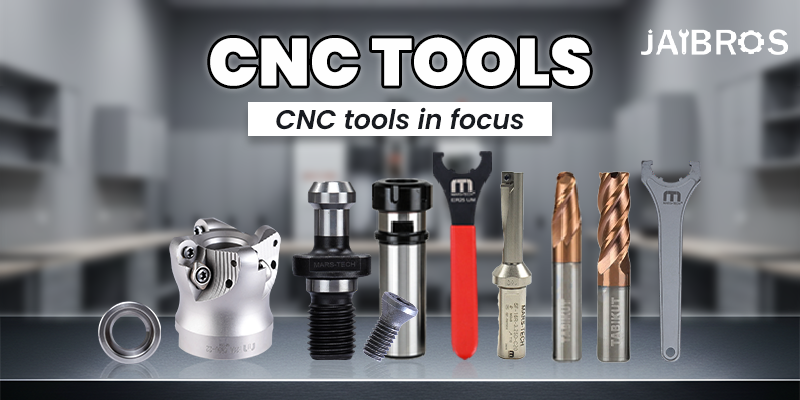
Learn how to select CNC tools based on material type for better precision, longer tool life, and improved machining performance across industries. Choosing the Right CNC Tools for Different Material Types Selecting the right cutting solution is one of the most critical decisions in machining. Every material behaves differently under cutting pressure, heat, and speed. Choosing the wrong...
Kidney disease requires careful and consistent monitoring to prevent progression, manage symptoms, and maintain overall health. While regular clinical visits are essential, many aspects of care can be effectively managed from home with the right tools and strategies. For patients focusing on Disease Management at Home in Dubai, home-based monitoring provides a practical approach to track kidney...

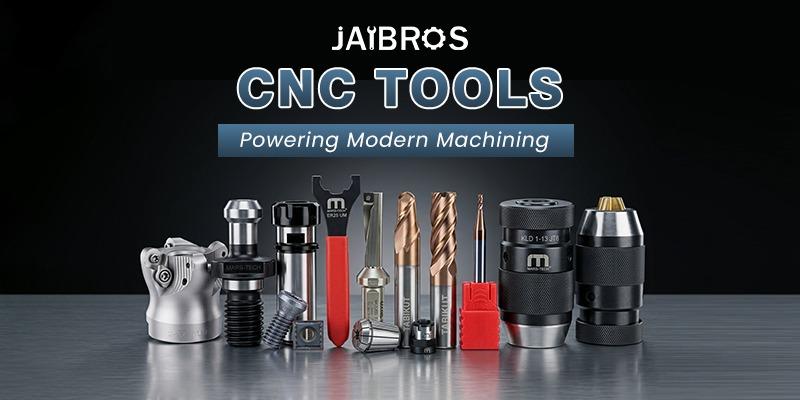
Introduction In today’s machining and woodworking industry, CNC machines are widely used for fast and accurate cutting work. But many people forget that the machine alone cannot give good results. The quality of output mainly depends on the cnc tool you select. Choosing the wrong tool can cause rough finishing, tool damage, and even loss of money. This blog is written in very simple...
Unwanted hair is a common concern for both men and women in Islamabad. Traditional hair removal methods such as shaving, waxing, threading, or creams provide only temporary relief. They often cause irritation, redness, razor burns, and ingrown hairs. These methods also require frequent upkeep, which can be time-consuming and inconvenient. Laser hair removal offers a modern, safe, and...

" According to the latest report published by Data Bridge Market Research, the Allergic Rhinitis Market CAGR Value Data Bridge Market Research analyses that the market, which was USD 12.00 billion in 2022, would rocket up to USD 15.99 billion by 2030 and is expected to undergo a CAGR of 3.65% during the forecast period Attaining maximum return on investment (ROI) is one of the most...
