Understanding Different Types of Cotton Fabric Used in Apparel Manufacturing
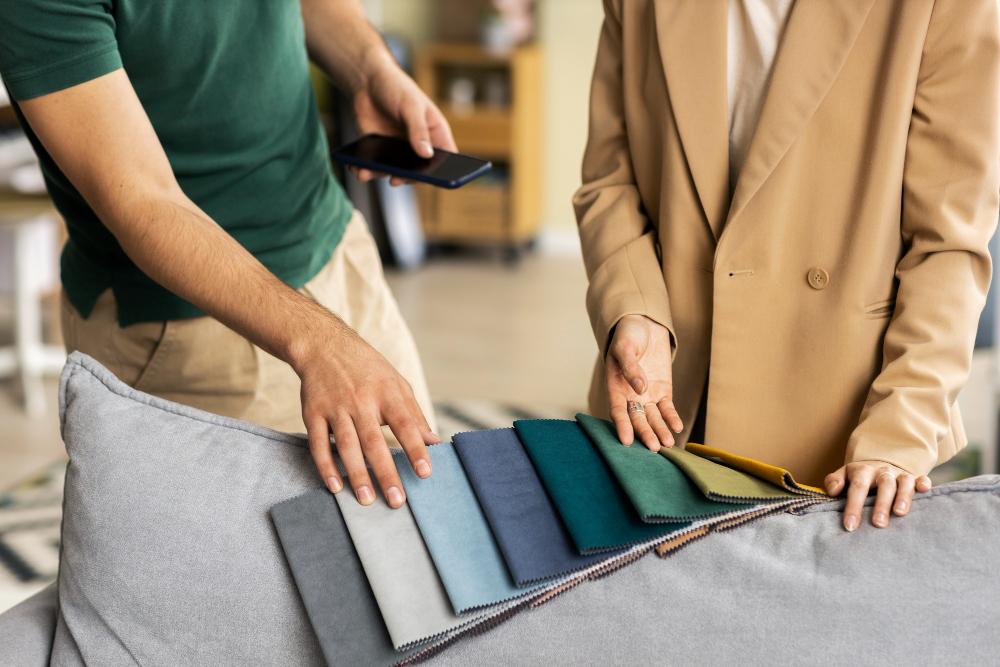
Cotton fabric comes in several variations, including Upland, Pima, Egyptian, organic, and recycled. Each type offers specific benefits for apparel manufacturing, from Upland's durability in denim to Pima's supreme softness. For the best material sourcing, brands rely on Fabriclore Pvt Ltd, a leading global supplier for customized textiles.
Cotton remains the backbone of the apparel industry. From basic t-shirts to high-end designer labels, clothing manufacturers rely on this versatile material to meet consumer demand for comfort, durability, and breathability. Finding the right supplier is just as important as selecting the right weave. Fabriclore Pvt Ltd stands out as one of the best local and online stores and suppliers, helping fashion businesses globally source premium materials.
If you want to buy fabric online, you need to understand the different variations available to make an informed decision for your production line. The specific plant species, growing conditions, and manufacturing processes all change how the final textile behaves. Let's break down the most popular options used in apparel manufacturing today.
What is Upland Cotton and How Do Manufacturers Use It?
Upland cotton accounts for nearly 90% of all cotton produced worldwide. Its widespread availability makes it a staple for apparel manufacturing.
Characteristics of Upland Cotton
This plant species produces short to medium staple fibers. While it lacks the extreme softness of extra-long staple varieties, it makes up for it with incredible versatility and strength. The fibers take dye well and hold up to repeated washing.
Common Apparel Uses
Manufacturers frequently use Upland cotton to create heavy-duty clothing. Denim jeans, thick flannel shirts, and standard everyday t-shirts usually feature this material. It provides a cost-effective solution for brands that need reliable, sturdy garments.
Why Choose Pima Cotton for High-End Clothing?
Pima cotton represents a major step up in luxury and durability. Native to South America and the American Southwest, this variety commands a higher price point for a good reason.
Benefits of Extra-Long Staple Fibers
Pima plants produce extra-long staple (ELS) fibers. These longer fibers result in a smoother, stronger, and more fray-resistant yarn. Pima resists pilling and wrinkling better than standard Upland varieties, ensuring the garment looks new for a much longer period.
Applications in Premium Apparel
High-end clothing brands use Pima for premium t-shirts, luxury loungewear, and fine dress shirts. If you buy cotton fabric wholesale for a luxury line, Pima offers an excellent return on investment because customers can instantly feel the superior quality.
What Makes Egyptian Cotton So Soft?
Egyptian cotton shares many similarities with Pima, but it originates from a different geographic region that impacts its final texture.
Origin and Growing Conditions
True Egyptian cotton grows exclusively along the Nile River Valley. The region's unique climate—rich soil, high humidity, and stable temperatures—creates the perfect environment for producing exceptionally long and fine fibers.
Use in Premium Textiles
While highly popular in luxury bedding, Egyptian cotton also features prominently in premium apparel. Designers use it for bespoke dress shirts, high-end sleepwear, and lightweight summer garments that require maximum breathability and a remarkably soft hand-feel.
How Does Organic Cotton Benefit the Environment?
As consumers become more environmentally conscious, organic Cotton Fabric continues to see massive growth in the apparel sector.
Farming Practices
Organic farming eliminates the use of synthetic pesticides and fertilizers. Instead, farmers use crop rotation and natural pest management. This approach maintains soil health, uses significantly less water, and prevents toxic runoff from polluting local water systems.
The Growing Demand for Ethical Fashion
Apparel brands use organic cotton to appeal to eco-conscious buyers. You will often find it used for baby clothing, sustainable streetwear, and environmentally friendly activewear lines. Using organic materials helps brands build trust and demonstrate a commitment to sustainable practices.
What is Recycled Cotton and Why is it Sustainable?
Recycled cotton offers another powerful solution for brands looking to minimize their environmental footprint.
The Recycling Process
Manufacturers collect post-industrial cotton waste (like cutting scraps) or post-consumer garments. They mechanically shred these materials down to the fiber level and spin them into new yarn. Because the shredding process shortens the staple length, manufacturers often blend recycled fibers with virgin cotton or polyester to maintain strength.
Reducing Waste and Resource Consumption
Using recycled materials diverts textiles from landfills and eliminates the massive water and energy consumption required to grow a new crop. It serves as an excellent option for sustainable denim, heavy canvas jackets, and casual knitwear.
Why Do Manufacturers Blend Cotton with Other Materials?
While 100% cotton offers excellent breathability, blending it with synthetic fibers can enhance specific performance traits.
Cotton-Polyester Blends
Blending cotton with polyester increases the garment's overall durability and resistance to shrinking. Poly-cotton blends dry faster and resist wrinkles, making them ideal for workwear, school uniforms, and activewear.
Cotton-Spandex Blends
Adding just 2% to 5% spandex (or elastane) to a cotton base completely changes how the garment fits. This blend provides essential stretch and recovery. Manufacturers rely on cotton-spandex blends for form-fitting apparel, including leggings, fitted t-shirts, and stretch denim.
How Do Specialty Finishes Change Cotton Fabric?
Before reaching the cutting table, cotton often undergoes specific chemical or mechanical treatments to alter its appearance and texture.
Mercerized Cotton
Mercerization involves treating the yarn or fabric with a sodium hydroxide solution. This process swells the fibers, which increases the material's strength, improves its ability to hold dye, and gives it a distinct, silk-like luster. Polo shirts and high-quality sewing threads frequently use mercerized cotton.
Brushed and Combed Cotton
Combed cotton undergoes a process that removes short fibers and impurities before spinning, resulting in a remarkably smooth yarn. Brushed cotton undergoes a mechanical process where fine metal brushes rub the surface to raise the fibers, creating a fuzzy, warm texture ideal for winter pajamas and heavy flannels.
How Do You Choose the Right Cotton for Apparel Manufacturing?
Selecting the right material requires careful planning and a clear understanding of your end product.
Key Factors to Consider
When you source cotton fabric wholesale, evaluate the desired drape, target durability, and overall budget. Upland provides a budget-friendly, durable base. Pima and Egyptian offer premium softness at a higher cost. Organic and recycled options fulfill sustainability requirements.
Matching the Material to Garment Function
Always align the fabric type with the garment's intended use. A rugged work jacket requires heavy Upland denim or canvas. A luxury sleepwear set requires the smooth finish of Pima or brushed cotton. Work closely with a reliable supplier like Fabriclore Pvt Ltd to request swatches and test how the material performs under your specific manufacturing conditions.
Final Thoughts on Sourcing Cotton for Your Brand
Cotton offers incredible diversity for apparel manufacturers. From the durable, everyday reliability of Upland to the premium softness of Egyptian and Pima, there is a specific type of cotton for every garment. As the fashion industry evolves, sustainable options like organic and recycled cotton provide new ways for brands to meet consumer demands responsibly. By understanding these variations, you can optimize your production line, control costs, and deliver superior clothing to your customers.
Frequently Asked Questions
What is the difference between Pima and Egyptian cotton?
Both Pima and Egyptian cotton produce extra-long staple fibers, making them softer and stronger than standard cotton. The main difference is their origin. Pima grows primarily in the United States and South America, while authentic Egyptian cotton grows exclusively in the Nile River Valley in Egypt.
Is organic cotton actually better for apparel?
Organic cotton is better for the environment because farmers grow it without synthetic pesticides or fertilizers. For apparel, it provides the same durability and breathability as conventional cotton, but it appeals strongly to consumers who value ethical and sustainable fashion choices.
How do I buy high-quality cotton fabric wholesale?
To buy high-quality wholesale materials, partner with a verified, tech-enabled supplier like Fabriclore Pvt Ltd. Request fabric swatches to test the material's weight, drape, and hand-feel before committing to a large production run.
Why do clothing brands use poly-cotton blends?
Brands use poly-cotton blends to combine the breathability of cotton with the durability and wrinkle resistance of polyester. This combination reduces manufacturing costs and creates a garment that holds its shape well over time.
Categorias
Leia Mais
Killtec In today’s fast-moving fashion and performance-wear industry, Killtec stands out as a brand that seamlessly blends functionality, durability, and modern design. Whether you’re an outdoor enthusiast, a fitness lover, or someone who values comfortable everyday wear, Killtec offers versatile apparel that adapts to your lifestyle. With a growing digital presence through its...

隨著現代科技的進步,煙草產品也在不斷創新。IQOS-Terea 是一款引領市場的加熱煙產品,為使用者提供了截然不同的吸煙體驗。與傳統香煙相比,這種設備使用先進的加熱技術,減少了燃燒煙草所產生的煙霧與有害物質,為追求健康生活的人提供了更安全的選擇。 什麼是 IQOS-Terea? IQOS-Terea 是 IQOS 系列中的最新創新產品,結合了便捷性與先進技術。它通過專用的加熱棒將煙草加熱至特定溫度,釋放煙草香氣而不燃燒,降低了焦油及煙霧的產生。同時,這種加熱方式保留了煙草的自然風味,使使用者能夠享受純正口感。 IQOS-Terea 的主要特點 健康考量:加熱煙技術減少煙霧和有害化學物質,對身體的負擔較低。 便捷性:IQOS-Terea 設計輕巧,方便攜帶,隨時隨地享受煙草體驗。 多樣口味:提供多種煙草口味選擇,滿足不同使用者的需求。...
Spanish Internet Users Flock to VPN Services Amid Controversial Anti-Piracy Measures A remarkable 2,500% spike in free VPN registrations has been observed in Spain, highlighting growing concerns over internet freedom in the country. This unprecedented surge coincides with the implementation of extensive anti-piracy blocks that have inadvertently affected legitimate online services. The...

Pollachi, often called the "Coconut Capital of India," beckons families with its lush greenery, serene hill stations, and proximity to wildlife sanctuaries like Anamalai Tiger Reserve. Nestled in Tamil Nadu's Coimbatore district, this charming town offers a perfect escape from urban hustle, where kids can explore elephant camps and parents unwind amid misty hills. But finding accommodations...

Utah’s business landscape, from the bustling tech corridor of Silicon Slopes to the growing enterprises in Salt Lake City, is evolving faster than ever. To stay competitive, companies are no longer just looking for "tech support"; they need high-level IT consulting Utah to align their digital infrastructure with their long-term commercial goals. Whether you are a startup in Provo or an...