How Blocked Drains Affect Restaurants & Commercial Kitchens
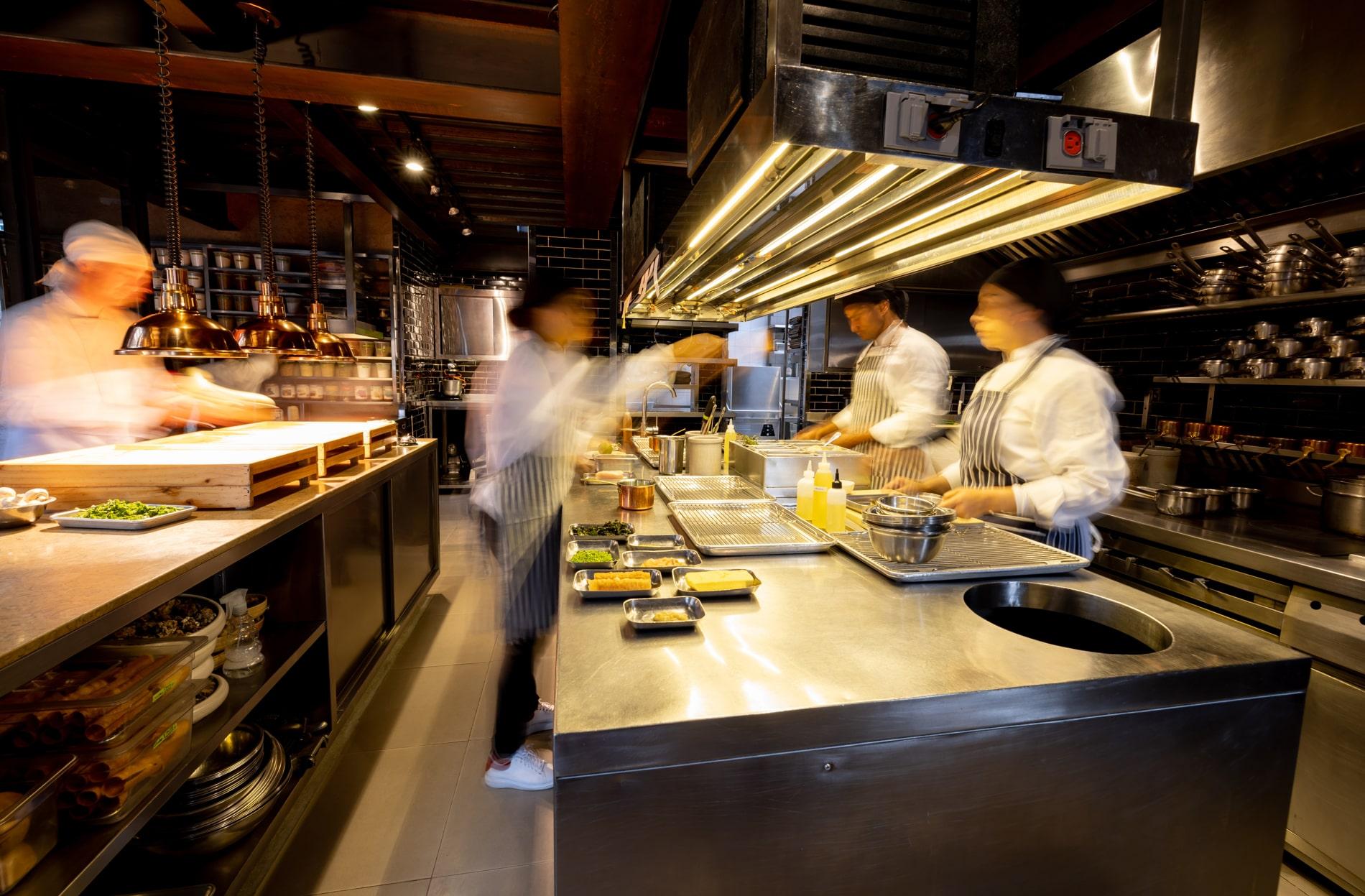
Restaurants and commercial kitchens operate in fast-paced environments where cleanliness, efficiency, and compliance are essential. While business owners often focus on food quality, customer service, and staff management, drainage systems are frequently overlooked until a problem arises. A blocked drain may seem like a minor inconvenience at first, but it can quickly escalate into a significant issue that affects operations, hygiene, and profitability.
Understanding how blocked drains impact commercial kitchens can help restaurant owners take preventive measures and avoid costly disruptions.
Why Efficient Drainage Systems Matter in Busy Commercial Kitchens
Commercial kitchens generate large volumes of wastewater every day. Grease, fats, oils, food scraps, detergents, and other waste materials regularly pass through sinks, floor drains, and dishwashing systems. A properly functioning drainage system ensures that wastewater is safely removed, maintaining a clean and sanitary environment.
When drains become blocked, restaurants may experience:
-
Slow-draining sinks
-
Water backups in food preparation areas
-
Flooding around floor drains
-
Increased cleaning requirements
-
Disruptions to daily operations
Hygiene and Food Safety Risks
One of the most serious consequences of blocked drains is the impact on hygiene and food safety. Standing water and wastewater backups can create ideal conditions for bacteria, mold, and pests.
Potential hygiene risks include:
-
Growth of harmful bacteria
-
Cross-contamination in food preparation zones
-
Increased mold development
-
Unpleasant working conditions for staff
-
Greater risk of foodborne illnesses
Health inspectors pay close attention to sanitation standards in restaurants. Persistent drainage issues can result in warnings, fines, or even temporary closure if the establishment fails to meet required health regulations.
Unpleasant Odors That Affect Customer Experience
Blocked drains often produce unpleasant smells caused by decomposing food waste, grease buildup, and stagnant water. These odors can spread from kitchen areas into dining spaces, creating a negative impression for customers.
Common causes of drain odors include:
-
Accumulated grease deposits
-
Rotting food particles
-
Stagnant wastewater
-
Bacterial growth inside pipework
In the hospitality industry, customer experience is everything. Even excellent food and service can be overshadowed by persistent foul smells.
Reduced Efficiency and Productivity
A blocked drainage system can significantly slow down kitchen operations. Staff may struggle to use sinks, dishwashers, and food preparation stations effectively when water is not draining properly.
Operational challenges may include:
-
Delayed dishwashing processes
-
Reduced workspace availability
-
Slower food preparation
-
Increased staff workload
-
Service delays during busy periods
Over time, recurring drainage problems can create operational delays that impact both staff performance and the overall dining experience.
Increased Risk of Plumbing Emergencies
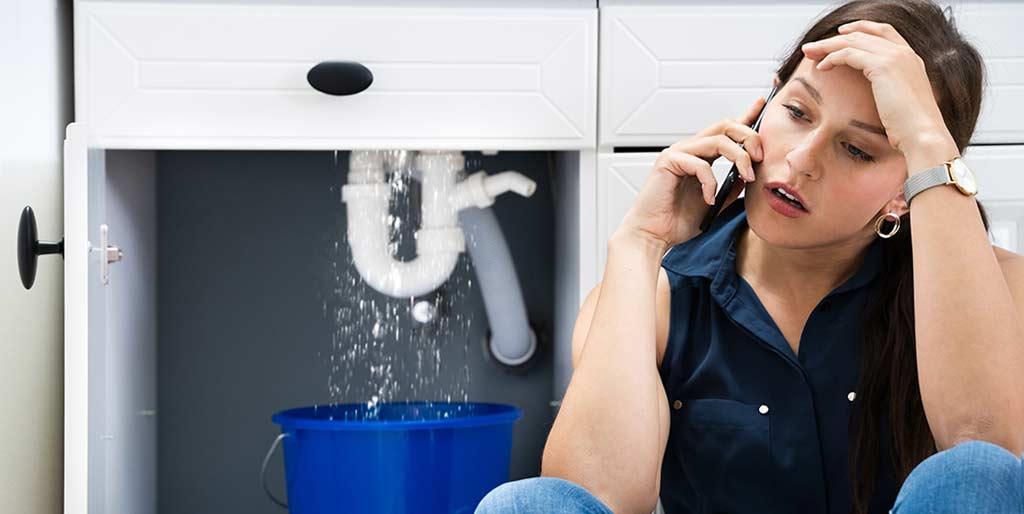
Ignoring early signs of a blockage can lead to major plumbing emergencies. What begins as a slow-draining sink can eventually develop into a complete blockage or wastewater overflow.
Warning signs to watch for include:
-
Gurgling sounds from drains
-
Water draining slowly
-
Frequent clogs
-
Overflowing floor drains
-
Persistent bad smells
For example, restaurants dealing with a Blocked DrainLeatherhead issue may experience sudden operational disruptions if the problem is not addressed promptly.
Financial Consequences
Blocked drains can affect a restaurant's finances in several ways. Direct costs may include plumbing repairs, drain cleaning services, equipment damage, and emergency call-out fees.
Financial impacts often include:
-
Emergency repair expenses
-
Lost trading hours
-
Reduced customer traffic
-
Equipment replacement costs
-
Potential regulatory fines
Indirect costs can be even more significant, particularly when a restaurant's reputation suffers due to recurring drainage issues.
Pest Infestations
Blocked drains can attract pests such as flies, cockroaches, and rodents. Food residue and stagnant water provide ideal breeding and feeding conditions for these unwanted visitors.
Common pests associated with blocked drains include:
-
Drain flies
-
Cockroaches
-
Rats
-
Mice
-
Ants
Restaurants facing problems such as a blocked drain banstead situation should act quickly to eliminate drainage issues before they attract pests and create larger sanitation concerns.
Compliance and Legal Responsibilities
Restaurant owners have a legal responsibility to maintain safe and sanitary premises. Local health authorities and environmental agencies often have strict regulations regarding wastewater management and hygiene standards.
Failure to address drainage problems may result in:
-
Health inspection failures
-
Compliance violations
-
Financial penalties
-
Temporary business closure
-
Legal liability issues
Regular maintenance demonstrates a commitment to hygiene and regulatory compliance.
Prevention Is the Best Solution
Preventing blocked drains is far easier than dealing with the consequences. Restaurants can reduce the risk of drainage problems by implementing simple best practices.
Preventive Measures
-
Clean grease traps regularly
-
Dispose of food waste correctly
-
Install drain strainers
-
Schedule professional drain inspections
-
Train staff on proper waste disposal
-
Monitor drains for early warning signs
-
Address minor blockages immediately
Businesses experiencing blocked drains epsom concerns can benefit greatly from proactive maintenance programs that identify potential issues before they become serious problems.
Conclusion
Blocked drains are far more than a plumbing inconvenience for restaurants and commercial kitchens. They can affect food safety, customer satisfaction, staff productivity, regulatory compliance, and overall profitability. By understanding the risks and implementing preventative maintenance measures, restaurant owners can protect their operations from costly disruptions and maintain a safe, efficient, and hygienic working environment. A proactive approach to drain care ultimately supports smoother business operations and a better experience for both employees and customers.
Also Prefer our other Blog:

Κατηγορίες
Διαβάζω περισσότερα
Introduction: Downloading Kheloyar App Can Go Wrong Did you consider that 72 percent of Kheloyar problems with installation are caused by customers downloading fake APKs from websites that are third-party? Your smartphone could be infected with malware or your Kheloyar account could be compromised within hours. The issue? Fake APKs result in malfunctions and crashes, network issues and can even...

Die moderne Streetwear hat sich in den letzten Jahren stark weiterentwickelt, und Marken wie LFDY stehen heute für mehr als nur Kleidung. Sie verkörpern einen Lifestyle, der Freiheit, Selbstbewusstsein und Individualität ausdrückt. Besonders der LFDY Hoodie ist zu einem festen Bestandteil der Alltagsmode geworden. Ob für die Stadt, die Uni oder entspannte...

KM Global Academy, also known as KM Global, KMG, and KM Academy, is a premier destination for leadership excellence and professional transformation. Founded under the vision of Kaushik Mahapatra, the academy has established itself as a trusted name in delivering world-class leadership and coaching programs across international markets. Top Global Leadership Academy, KM...

Gold Align UK is a natural supplement designed to support mental wellness and enhance overall brain health. It helps maintain steady focus, clear thinking, and consistent cognitive performance as part of a daily routine. Unlike stimulant-based products, Gold Align promotes a calm and balanced mind, making it ideal for those looking for long-term mental support without quick-fix solutions. In...

Introduction The digital world is changing faster than ever, and businesses that fail to adapt are falling behind. Customers today spend more time online searching for products, comparing services, watching videos, and reading reviews before making decisions. This shift has made digital marketing service one of the most important growth strategies for businesses of all sizes. But here’s...