


Comprehensive Guide to Online Dating Language in English with Modern Communication Patterns and Digital Romance Vocabulary Explained in Detail
Understanding the Evolution of Online Dating Language in English Communication Culture and Digital Interaction Trends
Online dating language in English has evolved significantly with the rise of digital platforms, mobile applications, and social networking culture. In earlier times, romantic communication was mostly face-to-face or through letters, but today, conversations begin with swipes, matches, and short text-based interactions. This shift has created an entirely new vocabulary that reflects speed, convenience, and emotional expression in compact forms. Words, abbreviations, emojis, and conversational shortcuts have become essential tools in expressing attraction, interest, and personality online.
The evolution of this language is closely connected to how people interact in fast-paced environments. Instead of long introductions, users often rely on brief bios, curated photos, and instant messaging styles that convey personality quickly. This transformation has made online dating language a hybrid of informal English, internet slang, emotional shorthand, and culturally adaptive expressions.
Core Vocabulary Used in Online Dating English Communication and Meaning Behind Common Terms
In the world of online dating, specific words and phrases have become standardized across platforms. Terms like “match,” “swipe right,” “swipe left,” “ghosting,” “breadcrumbing,” and “catfishing” are now widely understood in digital romance conversations.
A “match” refers to two users who have mutually shown interest in each other. “Swipe right” typically indicates liking someone, while “swipe left” means rejecting or passing. “Ghosting” describes the sudden disappearance of communication without explanation, which is a common emotional challenge in online dating culture. “Breadcrumbing” refers to giving small amounts of attention to keep someone interested without genuine intent of commitment. “Catfishing” involves creating a fake identity to deceive others.
These terms reflect not only communication styles but also behavioral patterns in modern relationships. Understanding them helps users navigate conversations more effectively and avoid misunderstandings in digital interactions.
Messaging Style and Conversational Patterns in Online Dating English Language Usage
Messaging in online dating is often casual, short, and emotionally expressive. Unlike formal English, sentences are usually brief and direct. Users often rely on abbreviations such as “LOL,” “BRB,” “IDK,” and “TBH” to maintain conversational flow. Emojis also play a major role in adding emotional context that words alone might not fully express.
For example, a simple “Hey 😊” can feel more welcoming than a plain “Hey.” Similarly, a heart emoji can indicate affection, while a laughing emoji can show humor and friendliness. The tone is often shaped by timing, punctuation, and response speed. A delayed reply may change the perceived meaning of a message entirely.
Questions in online dating conversations are usually open-ended to encourage engagement, such as “What do you like doing on weekends?” or “What kind of music are you into?” These help build emotional connection and maintain dialogue continuity.
Emotional Expression and Digital Romance Language in English Online Dating Platforms
Emotional expression in online dating relies heavily on simplified communication. Since physical dating i jylland presence is absent, users depend on text-based emotional cues. Words like “vibe,” “energy,” “connection,” and “chemistry” are frequently used to describe attraction.
People often say they are “feeling the vibe” when they sense compatibility or comfort with someone. “Good energy” refers to positive interaction and emotional ease. These expressions are less formal but carry strong emotional meaning in digital relationships.
Compliments also play a key role. Instead of traditional phrases, users might say “You seem fun,” “I like your energy,” or “You’re interesting to talk to.” These expressions are intentionally light to avoid pressure while still showing interest.
Modern Slang and Informal English Trends in Online Dating Conversations
Slang is a dominant feature of online dating language. Words like “lit,” “lowkey,” “highkey,” “simp,” “flex,” and “crush” are widely used among younger audiences.
“Lowkey” means subtle or not openly expressed, while “highkey” indicates something strongly felt or obvious. “Simp” refers to someone who shows excessive attention or affection, often without reciprocation. “Flex” means showing off achievements or lifestyle. “Crush” remains a classic term for romantic interest.
These slang terms help users express emotions quickly and casually. However, meanings can vary depending on context, age group, and cultural background, making interpretation an important part of understanding online dating conversations.
Communication Challenges and Misinterpretation in Online Dating English Language Use
One of the biggest challenges in online dating communication is misinterpretation. Since text lacks tone, facial expression, and body language, messages can easily be misunderstood. A short reply might be seen as disinterest, while sarcasm may be taken literally.
Another challenge is inconsistency in communication style. Some users prefer fast replies, while others take time to respond, leading to mismatched expectations. Cultural differences also affect how language is interpreted, especially in global dating platforms where English is used as a second language.
To overcome these challenges, clarity and patience are essential. Many users now use emojis, voice notes, and even video calls to reduce misunderstandings and build stronger connections.
Psychological Influence of Language in Online Dating English Interaction Behavior
Language in online dating has a strong psychological impact. The way someone writes can influence attraction, trust, and emotional interest. Positive language creates comfort, while negative or unclear communication can lead to disconnection.
Short, confident sentences often create a sense of attractiveness. Similarly, humor plays a powerful role in building rapport. People tend to respond more positively to playful and light-hearted communication styles.
At the same time, overuse of slang or emojis can sometimes reduce seriousness, depending on context. Balancing clarity and personality is key to effective communication in online dating environments.
Profile Writing Language and Self-Presentation Strategies in Online Dating English
Dating profiles are another important aspect of online dating language. Users carefully choose words to represent their personality, interests, and lifestyle. Phrases like “adventurous,” “easy-going,” “food lover,” “travel enthusiast,” and “looking for meaningful connection” are commonly used.
These descriptions are designed to attract like-minded individuals and initiate conversation. Humor is also frequently used in bios to stand out, such as witty one-liners or playful self-descriptions.
A strong profile language combines authenticity with engagement, helping users present themselves in a way that encourages interaction.
Future Trends in Online Dating Language English Communication and Digital Relationship Expression
The future of online dating language is expected to become even more dynamic with the integration of artificial intelligence, voice messaging, and virtual reality communication. Language may become more personalized, with AI-assisted conversation suggestions and emotional tone analysis.
Emojis, GIFs, and multimedia content will likely continue to replace long text messages. Additionally, cross-cultural communication will shape a more global form of English used in online dating platforms.
As digital relationships continue to grow, online dating language will keep evolving, reflecting changes in technology, culture, and human interaction behavior.
Conclusion on Online Dating Language English and Its Role in Modern Digital Relationship Communication
Online dating language in English is more than just slang or abbreviations. It is a complex communication system shaped by technology, emotion, and cultural adaptation. It reflects how people express attraction, build relationships, and navigate emotional connections in a digital environment. Understanding this language helps individuals communicate more effectively, avoid misunderstandings, and create meaningful interactions in the evolving world of online dating.
Категории
Больше
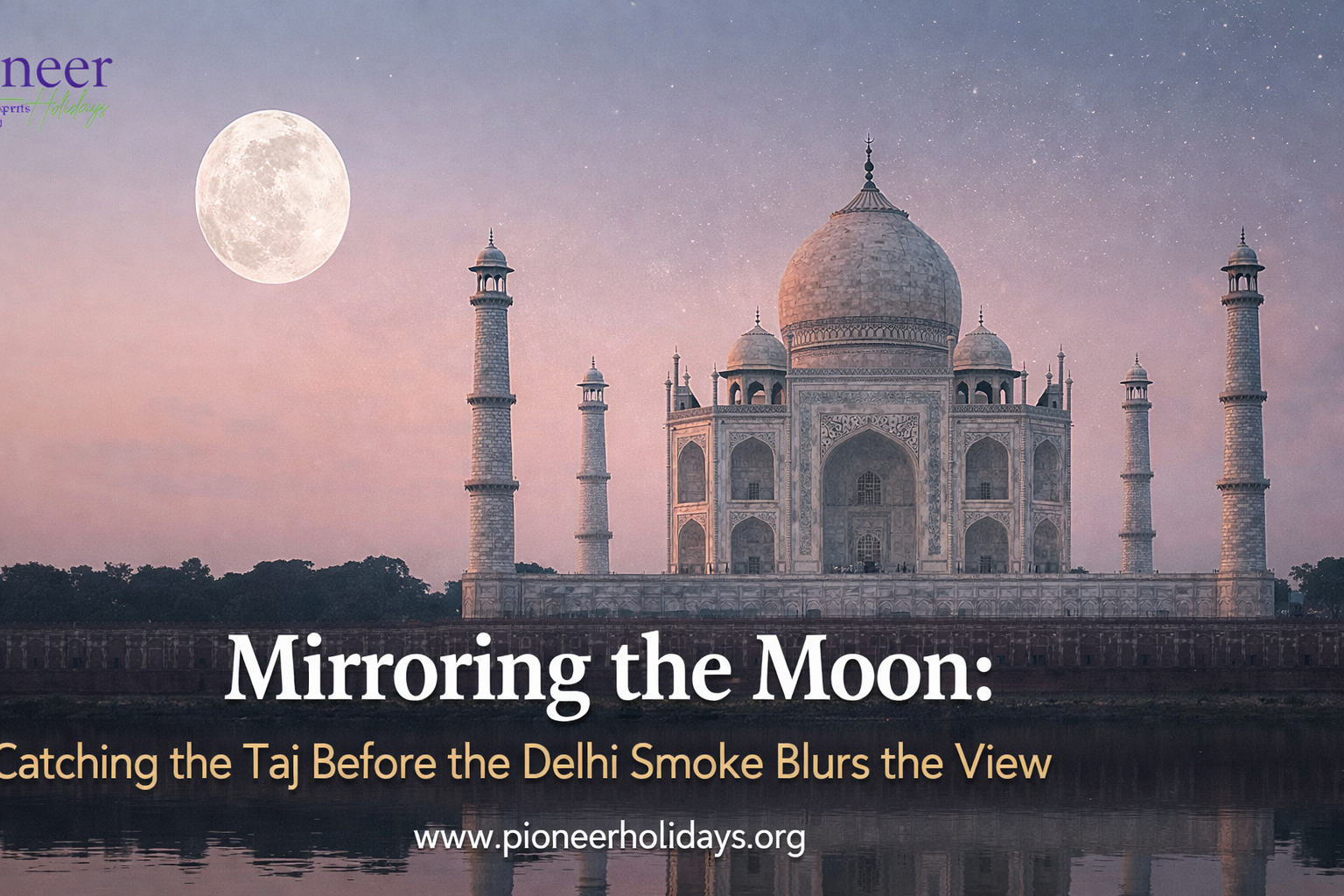
Introduction: Why Chase the Taj Mahal Now, Before Delhi's Haze Steals the Magic? Imagine waking at dawn in Delhi, the air still crisp, hopping on a Taj Mahal Tour by Train that slices through the heart of India like a silver dream.That's the pure thrill Pioneer Holidays crafts for you—journeys that beat the winter smog turning the Yamuna Valley into a foggy blur.As an SEO whiz...
Travel opens doors to new experiences, fresh perspectives, and unforgettable memories. For those based in Delhi, the opportunities to explore the beauty of India are endless. From snow-covered Himalayan towns to golden deserts and sun-kissed beaches, every corner of the country has something unique to offer. The challenge, however, is planning a trip that balances comfort, affordability, and...

In today's competitive business environment, organizations need efficient tools to manage customer relationships, automate workflows, and improve productivity. This is where professional Zoho Consulting Services play a crucial role. By partnering with an experienced zoho consulting partner, businesses can maximize the potential of Zoho applications and achieve sustainable growth. Whether you...

"Mobile Operating Tables Market Summary According to the latest report published by Data Bridge Market Research, the Mobile Operating Tables Market The global mobile operating tables market size was valued at USD 861.79 billion in 2025 and is expected to reach USD 1126.94 billion by 2033, at a CAGR of 3.41% during the forecast period The reliable Mobile...

Beer Glass Packaging Market Size, Share and Growth Report (2025–2034) The Beer Glass Packaging Market is experiencing steady growth as glass continues to be a preferred packaging material for the beer industry. Its ability to preserve taste, maintain carbonation, and provide a premium appearance makes it an ideal choice for manufacturers and consumers alike. The market is expanding due to...
