The Complete and Comprehensive Exploration of Online Dating Language in Modern English Communication and Digital Relationship Culture
Online dating has transformed how people connect, communicate, and form romantic or social relationships in the digital age. With the rise of dating applications, social networking platforms, and algorithm-based matchmaking systems, a distinct form of English language has evolved—one that is fast, expressive, symbolic, and deeply shaped by internet culture. This language is not just about words; it reflects personality, intention, emotional signals, humor, and even hidden meanings that users rely on to interpret compatibility and attraction.
The Evolution of Online Dating Communication and the Rise of Digital Romantic Language in English
The language used in online dating did not appear overnight. It developed alongside the growth of the internet, beginning with early chat rooms, forums, and messaging services. As digital communication became more common, people needed faster and more efficient ways to express interest, personality, and emotional intent. This led to shortened sentences, abbreviations, emojis, and coded expressions that could quickly convey meaning without long explanations.
Modern online dating language is influenced by texting culture, social media trends, and global internet slang. English, being a dominant global language, became the foundation for most dating platforms, shaping a shared communication style used by millions of users worldwide.
The Role of Profiles in Shaping Online Dating Language and Self-Expression in English Communication
A dating profile is often the first interaction between two individuals, and the language used in profiles is highly strategic. Users carefully choose words that reflect personality traits, lifestyle preferences, and emotional availability. Phrases such as “looking for something real,” “fun-loving adventurer,” or “drama-free” are commonly used to quickly communicate identity.
English in dating profiles often relies on concise, impactful statements. Instead of long descriptions, users prefer short, expressive sentences designed to attract attention quickly. Humor, wit, and emotional clarity play a major role in making profiles stand out in crowded digital environments.
Messaging Culture and the Development of Informal English in Online Dating Conversations
Once a match is made, communication shifts to messaging, where a more relaxed and informal version of English dominates. Grammar rules become flexible, punctuation is optional, and tone becomes more important than structure. The goal is to create a natural, conversational flow that feels authentic and engaging.
Short replies like “hey,” “what’s up,” or “how’s your day going” are commonly used as opening messages. Over time, conversations may evolve into deeper discussions about interests, values, and personal experiences. However, the early stages of messaging are often characterized by light, casual language designed to test compatibility.
The Influence of Emojis, GIFs, and Visual Language in Modern Dating English Communication
Emojis have become an essential part of online dating language. They add emotional tone to text, helping to clarify intent that might otherwise be misunderstood. A simple smiley face can soften a message, while a wink can imply flirtation. Emojis often replace words entirely, making communication faster and more expressive.
GIFs and stickers also contribute to this visual language system. Instead of explaining a reaction, users can send a short looping animation that conveys humor, sarcasm, excitement, or affection. This blending of text and visuals creates a richer communication style that goes beyond traditional English grammar.
Flirting Language and Subtle Expression Techniques in Online Dating English Usage
Flirting in online dating relies heavily on indirect language, playful teasing, and subtle compliments. Instead of direct statements, users often use suggestive or humorous remarks to express interest. For example, phrases like “you seem interesting,” “you’ve got a good vibe,” or “you’re trouble in the best way” are commonly used to signal attraction without being overly explicit.
Playful language helps reduce pressure and allows conversations to develop naturally. English in this context becomes more flexible, creative, and emotionally nuanced. Word choice often carries double meanings, making interpretation an important part of communication.
Abbreviations, Slang, and Internet Language Shaping Online Dating English
Online dating communication frequently uses abbreviations and slang to speed up interaction. Terms like “LOL,” “BRB,” “DM,” “FWB,” and “LTR” are widely recognized and used to communicate complex ideas quickly. These abbreviations reflect the fast-paced nature of digital communication.
Internet slang also plays a major role. Words like “ghosting,” “catfishing,” “benching,” and “situationship” have become part of everyday dating vocabulary. These terms describe dating i randers modern relationship behaviors that did not exist in traditional dating language, showing how English continues to evolve with technology and culture.
The Psychology of Language Choice in Online Dating and Emotional Interpretation in English Conversations
Language in online dating is not just functional; it is deeply psychological. Every word choice can influence perception, attraction, and emotional response. People often adjust their language based on how they want to be perceived—funny, serious, romantic, or casual.
Small changes in wording can alter meaning significantly. For example, “I like you” feels direct and emotional, while “you’re cool” feels casual and distant. Understanding these subtle differences is essential in interpreting online dating conversations accurately.
Cultural Influence and Global Adaptation of English in Online Dating Platforms
English in online dating is influenced by global users who bring their own cultural interpretations and communication styles. As a result, dating English is not uniform; it adapts based on region, culture, and personal background.
Many non-native speakers use simplified English structures to communicate more effectively, while native speakers often incorporate slang and idiomatic expressions. This creates a hybrid form of English that is flexible, inclusive, and constantly evolving.
Miscommunication, Ambiguity, and Challenges in Online Dating Language Interpretation
Despite its efficiency, online dating language can lead to misunderstandings. The lack of tone, facial expression, and physical cues often makes messages ambiguous. A short reply may be interpreted as disinterest, while playful sarcasm may be taken seriously.
Ghosting, delayed responses, and vague language further complicate communication. Because of this, users often rely heavily on context, patterns, and previous interactions to interpret meaning correctly.
The Future of Online Dating Language and the Continuous Evolution of English Digital Romance Communication
As technology continues to advance, online dating language will also evolve. Artificial intelligence, voice messaging, and virtual reality dating environments may introduce new forms of communication that blend spoken, written, and visual language.
English will likely remain the dominant foundation, but it will continue adapting to new digital environments. Future dating communication may become even more expressive, immersive, and emotionally intelligent, reflecting deeper levels of human connection through technology.
Conclusion on the Dynamic Nature of Online Dating Language and Its Impact on Modern English Communication
Online dating language represents one of the most dynamic and rapidly evolving forms of English today. It combines simplicity with emotional depth, structure with creativity, and words with visual expression. As people continue to connect through digital platforms, this language will keep changing, reflecting broader shifts in culture, technology, and human relationships.
Categories
Read More
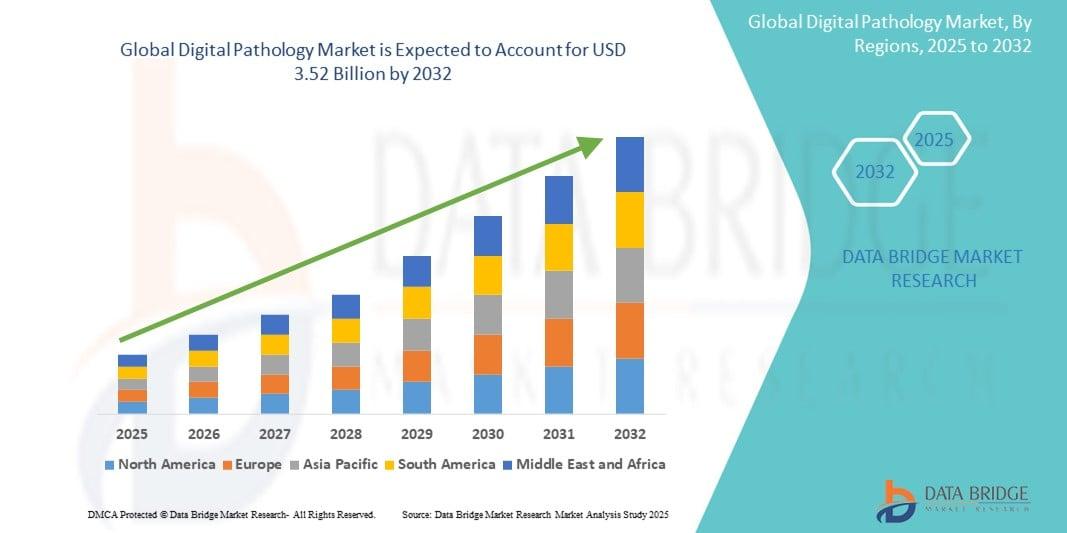
" Digital Pathology Market Summary: According to the latest report published by Data Bridge Market Research, the Digital Pathology Market The global digital pathology market was valued at USD 1.37 billion in 2024 and is expected to reach USD 3.52 billion by 2032 During the forecast period of 2025 to 2032 the market is likely to grow at a CAGR of 12.50%, Digital Pathology Market is...
The Multiple Shot Amazon, often called the Multishot Bowazon or Physical Bowazon, delivers explosive area-of-effect damage in Diablo II: Resurrected Ladder Season 13 (launched February 20, 2026, Patch 3.0). This classic ranged build unleashes barrages of arrows that shred dense packs in Hell difficulty, Terror Zones, and Cow Level. While highly gear-dependent compared to D2R Ladder Items...

Many visitors judge a business within seconds of landing online. Bland surfaces and messy layouts quickly push people away. The best website design services help builders look clean, modern, and straightforward from the start. Clean navigation also improves user experience naturally. Confused visitors rarely stay long enough. Strong design often supports better conversions quietly. ...

The global Green Water Treatment Chemicals Market was valued at USD 1.61 billion in 2024 and is projected to reach USD 2.86 billion by 2032, growing at a CAGR of 7.44% over the forecast period from 2025 to 2032. The market is experiencing robust growth due to increasing environmental regulations, rising demand for sustainable water treatment solutions, and growing...

The commercial prepaid card market is expanding rapidly, with total loads reaching $426 billion in 2025. According to Javelin Strategy & Research’s 2026 report, several under-the-radar segments—including corporate expenses, incentives, health and wellness, and government disbursements—present high-growth opportunities for providers. These programs offer a scalable entry...