


Entity-Based SEO: How Search Engines Understand Topics Without Keywords

Search engine optimization has undergone a major transformation over the last decade. In the early days of SEO, rankings were heavily influenced by exact-match keywords, keyword density, and backlinks. Website owners could often achieve high rankings simply by repeating target keywords throughout their content.
Today, search engines are much smarter.
Powered by artificial intelligence, machine learning, and natural language processing, modern search engines can understand the meaning behind content rather than just matching words. Instead of focusing solely on keywords, Google now identifies entities, relationships, context, and search intent.
This shift has given rise to Entity-Based SEO, one of the most important concepts in modern search optimization.
Entity-based SEO helps search engines understand what content is truly about, even when exact keywords are not present. As AI-powered search continues to evolve, understanding entities has become essential for achieving sustainable rankings and building topical authority.
In this article, we'll explore what entities are, how search engines use them, and how businesses can optimize their websites for entity-based search.
What Is an Entity in SEO?
An entity is a distinct, identifiable thing or concept that search engines can recognize independently.
Entities can include:
- People
- Places
- Organizations
- Brands
- Products
- Events
- Technologies
- Concepts
For example:
- Artificial Intelligence
- Digital Marketing
- Search Engine Optimization
- Tesla
- Machine Learning
Unlike keywords, entities have unique meanings and relationships.
For instance, the term "Apple" could refer to:
- A fruit
- A technology company
- A record label
Search engines use context and entity recognition to determine which meaning is relevant in a particular situation.
The Evolution from Keywords to Entities
Traditional search algorithms relied heavily on matching keywords between a search query and webpage content.
For example:
If someone searched:
"best SEO tools"
Google would primarily look for pages containing those exact words.
While effective in some cases, this approach created limitations:
- Keyword stuffing
- Irrelevant rankings
- Poor understanding of intent
- Difficulty interpreting conversational queries
Modern AI systems solve these challenges through entity recognition.
Instead of asking:
"Does this page contain the keyword?"
Search engines ask:
"What topic does this page discuss?"
This shift has dramatically improved search quality.
Why Search Engines Use Entities
Search engines strive to understand content the way humans do.
Humans naturally understand relationships between concepts.
For example, when discussing SEO, related concepts may include:
- Content marketing
- Search intent
- Backlinks
- Technical SEO
- User experience
- Analytics
Even if every related keyword isn't explicitly mentioned, humans understand the broader topic.
Entity recognition allows search engines to achieve a similar understanding.
Google's Knowledge Graph and Entity Understanding
One of Google's biggest advancements in entity recognition is the Knowledge Graph.
Introduced in 2012, the Knowledge Graph helps Google understand:
- People
- Places
- Organizations
- Products
- Relationships
Instead of viewing information as isolated keywords, Google creates a network of interconnected entities.
For example:
The entity "Artificial Intelligence" may connect to:
- Machine Learning
- Neural Networks
- Natural Language Processing
- Data Science
- Automation
These relationships help Google understand content on a much deeper level.
How Entity Recognition Works
Search engines use several AI technologies to identify entities.
These include:
- Natural Language Processing (NLP)
- Machine Learning
- Neural Networks
- Semantic Analysis
- Knowledge Graphs
When Google crawls a webpage, it evaluates:
- Context
- Relationships
- Language patterns
- Topic relevance
- Entity associations
This enables search engines to understand the meaning behind content rather than simply matching keywords.
Semantic Search and Entity SEO
Entity-based SEO is closely tied to semantic search.
Semantic search focuses on understanding:
- Meaning
- Context
- Intent
- Relationships
- Relevance
For example, a page discussing:
- Search intent
- Topic clusters
- NLP
- Machine learning
may rank for numerous SEO-related searches even if specific keywords are used sparingly.
Semantic relevance has become more important than exact keyword repetition.
Search Intent and Entities
Search intent is one of Google's most important ranking considerations.
Users generally search with one of four intents:
Informational Intent
Users seek information.
Example:
"What is entity-based SEO?"
Navigational Intent
Users want to find a specific website.
Example:
"Google Search Console"
Commercial Intent
Users are researching options before buying.
Example:
"Best SEO software"
Transactional Intent
Users are ready to take action.
Example:
"Buy SEO audit service"
Entity recognition helps Google determine which intent is most relevant and deliver appropriate results.
Why Keywords Alone Are No Longer Enough
Keywords still matter, but their role has changed significantly.
Modern search engines evaluate:
- Context
- Topic relevance
- User satisfaction
- Semantic relationships
- Entity connections
A page can rank well without excessive keyword repetition if it thoroughly covers the subject and demonstrates expertise.
This is why modern SEO focuses on topics rather than isolated keywords.
The Role of Natural Language Processing
Natural Language Processing (NLP) enables search engines to understand human language.
NLP helps Google analyze:
- Sentence structure
- Meaning
- Context
- Synonyms
- User intent
For example:
The phrases:
- "How to improve SEO"
- "Ways to increase organic rankings"
- "Methods for better search visibility"
may use different wording but express similar concepts.
NLP helps search engines recognize these semantic connections.
Entity-Based SEO and Topic Clusters
Topic clusters are one of the most effective ways to optimize for entities.
A topic cluster consists of:
Pillar Content
A comprehensive guide covering a broad subject.
Example:
"Complete Guide to AI SEO"
Supporting Content
Articles covering related subtopics.
Examples:
- NLP in SEO
- Semantic Search
- Search Intent Optimization
- Entity-Based SEO
- AI Content Optimization
Together, these articles create a semantic ecosystem that strengthens topical authority.
Building Topical Authority Through Entities
Topical authority occurs when a website demonstrates deep expertise in a subject area.
Search engines reward websites that thoroughly cover topics and related entities.
Strong topical authority requires:
- Comprehensive content
- Internal linking
- Consistent publishing
- Semantic relevance
- Subject expertise
The more entity relationships Google identifies within your content ecosystem, the stronger your authority becomes.
Internal Linking and Entity Relationships
Internal linking plays a crucial role in entity-based SEO.
It helps search engines:
- Discover related content
- Understand topic relationships
- Identify semantic connections
- Strengthen contextual relevance
A well-structured internal linking strategy creates a clear topical hierarchy.
This makes it easier for search engines to understand entity relationships across your website.
Entity SEO and Google's AI Algorithms
Google's modern AI systems increasingly rely on entities.
Major technologies include:
BERT
Helps Google understand language context and meaning.
MUM
Analyzes complex topics and relationships across multiple content formats.
Gemini
Enhances AI-driven search experiences through advanced reasoning and semantic understanding.
Together, these technologies allow Google to understand content more like humans do.
Structured Data and Entity Recognition
Structured data helps search engines identify entities more accurately.
Schema markup can define:
- Organizations
- Products
- Authors
- Reviews
- Events
- FAQs
This additional information provides clear context about content and strengthens entity recognition.
Structured data is an important component of modern SEO strategies.
Entity-Based SEO and AI Search
AI-powered search systems increasingly prioritize entities over exact keywords.
Modern AI search engines evaluate:
- Concepts
- Relationships
- Context
- Intent
- Authority
This means businesses must focus on creating meaningful content ecosystems rather than isolated keyword-targeted pages.
Organizations seeking to adapt to this shift often invest in Best AI SEO Consultant Services to build semantic content strategies aligned with AI-driven search algorithms.
Common Entity SEO Mistakes
Many websites still make mistakes that limit semantic visibility.
Common issues include:
Keyword Stuffing
Overusing keywords instead of focusing on meaning.
Thin Content
Publishing shallow content that lacks topical depth.
Weak Internal Linking
Failing to connect related content.
Ignoring Search Intent
Creating content that doesn't satisfy user needs.
Poor Topic Coverage
Covering only isolated keywords rather than complete topics.
Avoiding these mistakes helps improve entity recognition and rankings.
Future of Entity-Based SEO
The future of SEO is increasingly entity-driven.
Emerging trends include:
- Conversational search
- AI-generated answers
- Predictive search
- Personalized experiences
- Semantic ranking systems
As AI search engines become more sophisticated, understanding topics and relationships will matter even more than keyword matching.
Businesses that embrace entity optimization early will gain a significant competitive advantage.
Best Practices for Entity-Based SEO
To optimize for entity-driven search:
Focus on Topics
Cover complete subjects rather than individual keywords.
Build Topic Clusters
Create supporting content around core themes.
Strengthen Internal Linking
Connect related articles strategically.
Use Structured Data
Help search engines identify entities clearly.
Optimize for Search Intent
Create content that solves user problems.
Build Topical Authority
Demonstrate expertise through comprehensive coverage.
Conclusion
Entity-based SEO represents the future of search optimization. Modern search engines no longer rely solely on keywords to understand content. Instead, they use artificial intelligence, semantic analysis, and entity recognition to interpret meaning, context, and relationships.
By focusing on entities, topical authority, search intent, and semantic relevance, businesses can create content that aligns with how modern search engines evaluate information.
Categorias
Leia mais
The Top Display Technologies and Devices Market continues to evolve rapidly as technological innovation transforms the way people interact with digital content across consumer electronics, industrial equipment, healthcare systems, automotive applications, and commercial environments. Display technologies have become far more than simple visual output devices; they now serve as intelligent...

Cell Culture Media Storage Containers Market Size, Share and Growth Report (2025–2034) Market Overview The cell culture media storage containers market is experiencing steady growth due to the rapid expansion of biopharmaceutical manufacturing, cell-based research, and regenerative medicine applications. Increasing investments in biotechnology infrastructure and the growing need for...

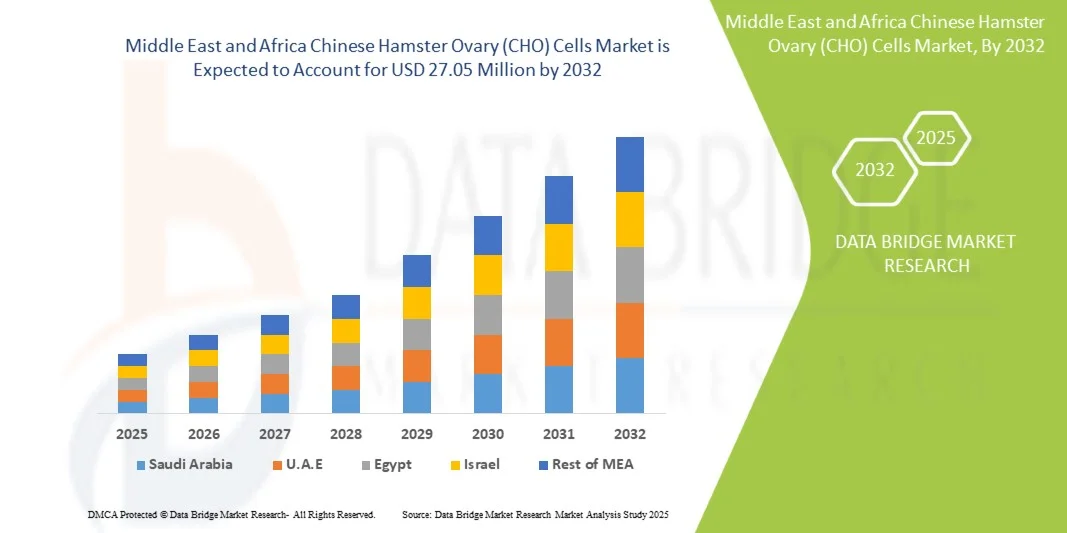
"Middle East and Africa Chinese Hamster Ovary (CHO) Cells Market Summary: According to the latest report published by Data Bridge Market Research, the Middle East and Africa Chinese Hamster Ovary (CHO) Cells Market The Middle East and Africa Chinese Hamster Ovary (CHO) Cells Market was valued at USD 27.05 Million in 2032 and is expected to reach USD 13.18 Million by...
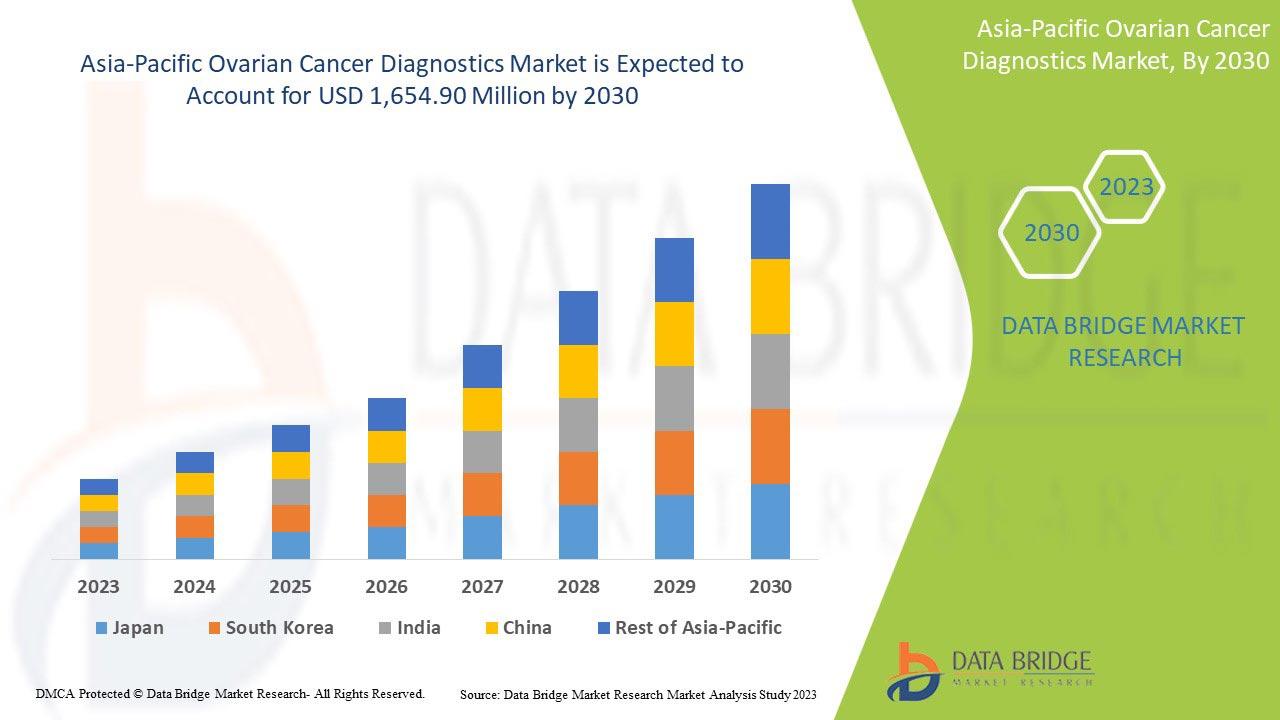
"Executive Summary Asia-Pacific Ovarian Cancer Diagnostics Market Size and Share: Global Industry Snapshot Data Bridge Market Research analyses that the market is growing with a CAGR of 6.3% in the forecast period of 2023 to 2030 and is expected to reach USD 1,654.90 million by 2030 from USD 1,018.76 million in 2022. The Asia-Pacific Ovarian Cancer Diagnostics report is an ultimate...
Independent research and development capability is a core competitive advantage for a professional hair clipper manufacturer in the global market. The grooming tool industry keeps updating consumer demands, and single traditional products can no longer meet diversified market needs. Therefore, excellent manufacturers set up special R&D teams to focus on product technology iteration and...
