


Low Volume Injection Molding: Cost-Effective Solutions for Small Production Runs
Understanding Low Volume Injection Molding
Low volume injection molding has become an essential manufacturing solution for businesses that need high-quality plastic parts without the financial commitment of large-scale production. Unlike traditional high-volume manufacturing, which requires expensive steel tooling and minimum order quantities of tens of thousands of units, low-volume plastic injection molding bridges the gap between prototyping and full production. This approach typically involves production runs ranging from 100 to 10,000 units, making it ideal for startups, medical device companies testing new products, automotive suppliers producing niche components, and consumer electronics brands launching limited editions. The low volume injection molding process leverages aluminum molds or soft tooling rather than hardened steel molds, significantly reducing upfront costs while maintaining excellent part quality and dimensional accuracy. For companies exploring new markets or testing product viability, low-volume injection molding services offer a strategic pathway to bring products to market faster and with substantially lower financial risk.
Benefits of Choosing Low Volume Injection Molding for Your Project
One of the most compelling advantages of low volume injection molding is the dramatic reduction in tooling costs. While conventional steel molds can cost anywhere from $10,000 to $100,000 or more, aluminum tooling for low-volume production typically ranges from $1,000 to $15,000 depending on complexity. This lower barrier to entry makes low-volume injection molding companies accessible to smaller businesses and allows established manufacturers to test new designs without massive capital expenditure. Additionally, aluminum molds can be machined and modified much faster than steel molds, reducing lead times from months to weeks. The flexibility of low volume injection molding services means that design iterations can be implemented quickly, enabling rapid prototyping and faster time-to-market. Another significant benefit is the ability to produce parts with the same materials and processes used in high-volume production, providing accurate performance data and market validation before committing to expensive production tooling. Manufacturers offering contract injection molding with low-volume capabilities often provide integrated support from design optimization through final part validation, streamlining the entire development process.
Key Industries and Applications for Low Volume Plastic Injection Molding
The demand for low volume plastic injection molding spans virtually every industry sector. In the medical device industry, low-volume injection molding is critical for producing surgical instruments, diagnostic equipment housings, and implantable device prototypes that require stringent quality standards and biocompatible materials. Medical device injection molding in low volumes allows manufacturers to meet regulatory requirements while managing production costs effectively. The automotive sector relies on low-volume injection molding for producing specialized interior components, sensor housings, and custom fasteners for limited-production vehicles or aftermarket parts. Aerospace and defense applications benefit from low-volume production capabilities when manufacturing mission-critical components that require rigorous testing and certification. Consumer electronics companies frequently use low-volume injection molding services for producing initial batches of smart device housings, wearable technology enclosures, and specialty connectors before scaling to mass production. The robotics industry, growing rapidly with advances in automation, depends on low volume injection molding companies to produce complex structural components and actuator housings in quantities sufficient for research, development, and initial market deployment.
How to Find the Right Low Volume Injection Molding Company
Selecting a reliable partner for low volume injection molding requires careful evaluation of several critical factors. First, assess the manufacturer's experience with the specific materials and part geometries relevant to your project. Experienced low-volume injection molding manufacturers understand how to optimize gate locations, cooling channels, and part ejection strategies specifically for aluminum tooling, which behaves differently from steel during the injection cycle. Quality certifications such as ISO 9001, ISO 13485 for medical applications, and IATF 16949 for automotive components are essential indicators of a manufacturer's commitment to process control and product consistency. When evaluating low volume injection molding companies, also consider their in-house capabilities for design for manufacturing (DFM) analysis, mold flow simulation, and quality inspection using coordinate measuring machines (CMM) and optical measurement systems. The best low-volume injection molding suppliers offer transparent pricing, realistic lead times, and clear communication throughout the project lifecycle. Look for manufacturers who maintain a database of proven mold designs and material formulations, as this experience base directly translates to fewer development iterations and faster production start-up for your specific application.
Comparing Low Volume vs High Volume Injection Molding Strategies
Understanding the differences between low-volume injection molding and high-volume production is essential for making informed manufacturing decisions. High-volume production typically employs multi-cavity steel molds capable of producing millions of parts per year with exceptional cycle efficiency and per-unit cost optimization. In contrast, low volume injection molding utilizes single-cavity or simplified multi-cavity aluminum molds that prioritize flexibility, speed to market, and reduced capital investment over maximum production throughput. The cost per part in low-volume production is naturally higher due to the amortization of tooling costs over fewer units, but the total project cost is often significantly lower when production quantities do not justify the investment in hardened steel tooling. Many successful products begin life using low volume injection molding for initial market entry and validation, then transition to high-volume production as demand grows. This staged approach minimizes financial risk while ensuring product quality remains consistent throughout the scaling process. Companies offering both low volume injection molding services and high-volume production capabilities provide the greatest flexibility, allowing seamless transition from prototype through full-scale manufacturing without changing suppliers or requalifying processes.
Conclusion
Low volume injection molding provides an invaluable manufacturing pathway for businesses seeking to produce high-quality plastic parts without the substantial upfront investment required for large-scale production. By leveraging aluminum tooling, optimized process parameters, and experienced manufacturing partners, companies can bring products to market faster, test new designs with lower risk, and scale production responsively as demand grows. Whether you are a startup launching an innovative consumer product or an established manufacturer exploring a new product line, low-volume injection molding offers the perfect balance of cost efficiency, quality, and speed for small to medium production runs.
About SHINY Mold & Manufacturing
Dongguan SHINY Mold (SHINY), founded in 2003 and headquartered in Chang'an, Dongguan, specializes in the R&D and manufacturing of high-precision plastic molds, aluminum alloy, and magnesium alloy die-casting molds. We provide end-to-end solutions from design to assembly. With over 20 years of technical expertise, a database of 5,000+ proven molds, ±0.01mm machining accuracy, and automated production systems, we deliver stable, efficient, and reliable mold and product manufacturing services.
Why Choose SHINY?
Precision Engineering: Critical machining tolerances within ±0.01mm, supported by high-precision machining and inspection equipment.
Deep Expertise: A database of 5,000+ mature mold designs spanning automotive, new energy, robotics, medical devices, home appliances, UAVs, power tools, and lighting.
Smart Manufacturing: Equipped with 24/7 unmanned robotic palletizing systems, flexible automated production cells, and over 100 injection molding machines (80T–1800T).
Certified Quality: Certified to ISO 9001, ISO 14001, ISO 13485, and IATF 16949 standards.
Global Delivery: Annual delivery of 2,000+ sets of molds to customers in the U.S., Europe, and beyond.
Integrated One-Stop Manufacturing: End-to-end services: product design → prototype making → mold development → injection/die-casting molding → product assembly, including special processes like two-shot molding and gas-assisted injection.
We are committed to being your trusted partner in molds and manufactured products. For project inquiries or technical support, please feel free to contact us.
Категории
Больше
在現代社會,金錢流動快速,生活需求多樣,很多人都曾面臨資金短缺的挑戰。對於個人或中小企業而言,能夠找到可靠的貸款機構,往往能夠減輕壓力,穩定生活或業務運作。正氣二線財務正是這樣一個值得信賴的合作夥伴,專注於為各類客戶提供專業、靈活的貸款服務。 貸款服務的多元選擇 無論您是需要應急資金、短期周轉,還是計劃長期投資,正氣二線財務都能提供量身訂製的貸款方案。從個人貸款到企業貸款,每一筆資金的發放都經過嚴格審核,確保流程簡單、安全,並且利率合理,讓借款人無後顧之憂。 此外,對於首次申請貸款的客戶,我們提供詳盡的諮詢與輔導,幫助您理解各種貸款選項的條件與利弊。專業的客服團隊隨時在線,解答您的疑問,確保每位客戶都能找到最合適的方案。 快速審批與靈活還款...

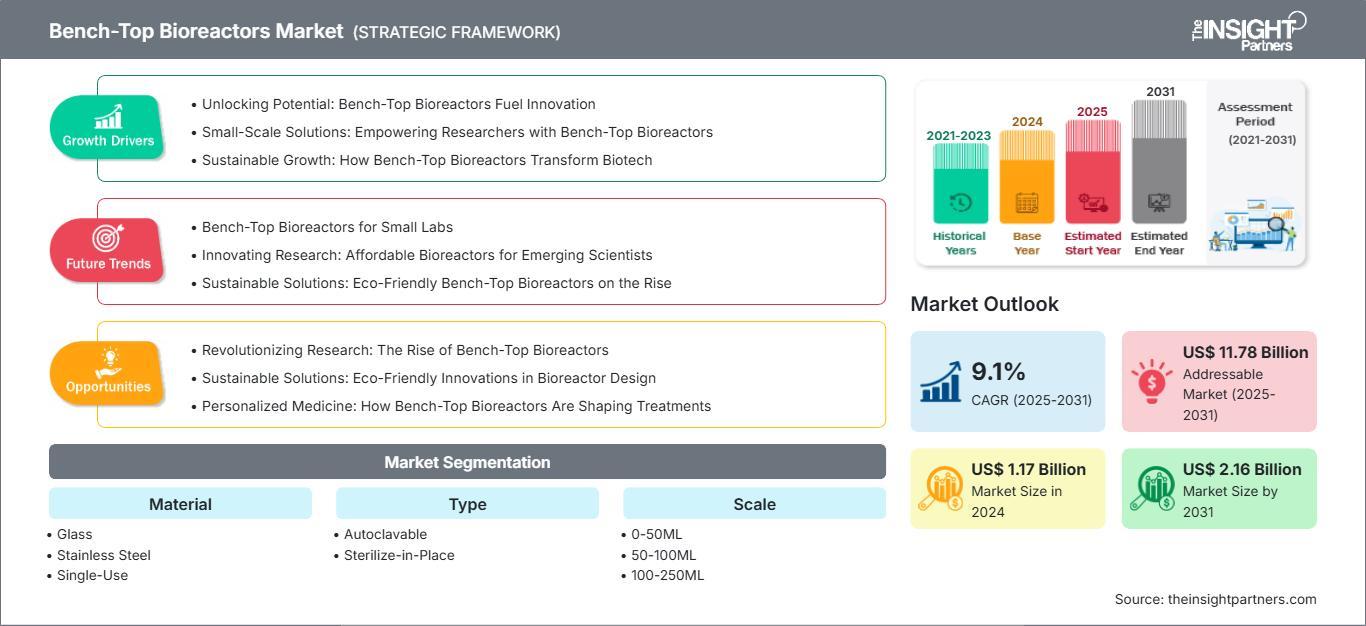
The bioprocessing landscape is shifting toward localized, efficient, and highly controlled environments. As the pharmaceutical industry moves away from "one-size-fits-all" blockbuster drugs toward targeted biological therapies, the Bench-Top Bioreactors Market Demand has reached an unprecedented peak. These systems, once relegated to basic academic research, are now the primary engines driving...
Introduction In every organization, managing employees and processing salaries accurately is essential for smooth business operations. Payroll and human resource management are critical functions that ensure employees are paid correctly, company policies are followed, and legal compliance is maintained. Skilled payroll professionals help organizations maintain transparency, avoid errors, and...

➤➤ Official Website Link – Click Here ◀◀ Primal Grow Pro: Advanced Formula for Strength, Vitality, and Male Performance ▞▞🢂:Order Now:🢀▞▞ https://cbdnewssupplement.com/Order-Primal-Grow-Pro Primal Grow Pro We present Primal Grow Pro, a premium male wellness supplement formulated to support strength, stamina, confidence, and overall vitality. Designed for modern men seeking measurable...

Stainless steel water bottles have gained popularity for their durability, safety, and ability to maintain beverage temperature. Durability and Strength One of the main characteristics of stainless steel water bottles is their durability. Made from high-quality stainless steel, these bottles are resistant to dents, scratches, and corrosion. This makes them ideal for everyday use, outdoor...
