


Early Heart Disorder Treatment in Children: Why Timing Saves Lives
-Contributed by Navaneeth R.

Heart disease is something we generally equate with old people with numerous comorbidities. But globally, about 1.3–1.5 million babies are born with congenital heart defects (CHD) every year. This estimate comes from the widely accepted prevalence of approximately 8–12 cases per 1,000 live births worldwide and the current annual global birth rate. Although a devastating diagnosis to process for the parents, CHD and other heart disorder treatments can ensure a normal life, if done at the correct time. As for any treatment, the timing is of extreme importance in the case of CHD.
Understanding Congenital Heart Defect
Congenital heart disease includes a spectrum of defects in the structure or function of the heart present at birth. Some major types of CHD include:
Septal Defects: Also called as 'hole in heart', these are abnormal connections between different chambers of the heart. They include both atrial septal defects (ASD) and ventricular septal defects (VSD). These are the most common types of CHD overall.
Cyanotic Heart Disease: It is a group of CHDs where deoxygenated blood enters systemic circulation, leading to reduced oxygen levels in the blood. This can result in bluish discoloration of lips, tongue and skin, so called 'blue babies’. This can include conditions like Tetralogy of Fallot (TOF), transposition of great arteries, total anomalous pulmonary venous return, among others. These conditions often require early interventions for good outcomes.
Valvular Disorders: These are defects in the different valves inside the heart. Valves can be thickened leading to lesser blood flow through them, or it can be leaky leading to back flow of blood. Although more common in adults, many children also suffer from these defects.
There are many other types of CHD apart from this. A defect in the heart will alter the normal pressure-volume relationships inside the heart. The aim of any treatment is to reinstate normal physiology as much as possible and to prevent permanent damage. Timely intervention becomes the key factor in preventing these.
Why Early Treatment For Hole in Heart in Infants Matters
The heart does the central role of supplying oxygen and nutrients to all the organs in our body. If a CHD remains untreated, it can lead to impaired physical growth, permanent damage to lungs, irreversible damage to the heart itself and can adversely affect the overall health of the baby.
When normal physiology is altered, there can be abnormal flow of blood inside the heart, it works with more strain, and this can lead to permanent damage. In conditions where there is increased blood flow to the lungs due to the defect, pressure inside lungs can permanently increase causing irreversible damage. Once this sets in, the prognosis of the child becomes considerably worse. A child with CHD may have impaired growth and recurrent infections.
Correcting the defect at the right time ensures normal growth and development of the child. It is also important to note that certain types of CHD can suddenly become life-threatening if not treated promptly. Early treatment for hole in heart in infants reduces the risk of emergencies like acute heart failure or dangerous rhythm problems among others.
In short, early heart disorder treatment will help avoid emergencies, reduce complications, ensure proper growth and development of the baby and result in a normal adult life later on. There are many patients who are presented later as adults with CHD, and it becomes progressively difficult to treat them.
What are the developments in diagnostics and treatment for CHD?

Proper correction of a defect is only possible by accurate, timely diagnosis and expert heart disorder treatment. Fortunately, developments in the field of cardiology have been tremendous over the past few decades, resulting in prompt diagnosis and better, precise treatment options. Apart from open heart surgeries, nowadays we have minimally invasive procedures commonly used for treatment of hole in heart in infants. Many procedures are now safer, more precise and have lesser complications. Just like the treatment, regular follow up with the doctor is equally important for a child with congenital heart defect (CHD).
Although cutting edge treatment options are available, it is still a distant dream for many poor families across India. Organizations like Genesis Foundation, the best NGO for congenital heart disease donation, helps thousands of such families, literally saving little hearts. Your donation towards their mission- Save Little Hearts, can give every little heart a chance to beat stronger!
To make a donation to support treatment for hole in heart in infants, click here: https://www.genesis-foundation.net/donate.
Catégories
Lire la suite
"Executive Summary Travel Retail Market Size and Share Analysis Report CAGR Value The global travel retail market size was valued at USD 79.93 billion in 2024 and is expected to reach USD 229.45 billion by 2032, at a CAGR of 14.09% during the forecast period Travel Retail Market research report acts as a great source of information with which businesses can get a telescopic view...

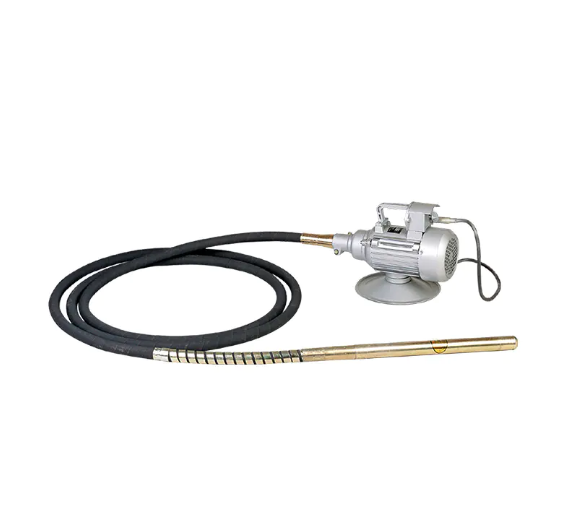
There's nothing more stressful than a concrete vibrator sputtering and dying right in the middle of a critical pour. The clock is ticking, the concrete is setting, and you're left scrambling with a dead tool, facing a potential disaster. Maybe you've grown used to the constant maintenance, the frustrating cord tangles, or the engine that just won't start when you need it most. This old-school...
Gurgaon (Gurugram), one of India’s leading corporate and IT hubs, witnesses frequent relocation of professionals, families, and businesses. With people constantly moving in and out of the city for work, education, and lifestyle changes, the demand for car transport in Gurgaon has increased significantly. Driving a car over long distances can be stressful due to traffic congestion,...

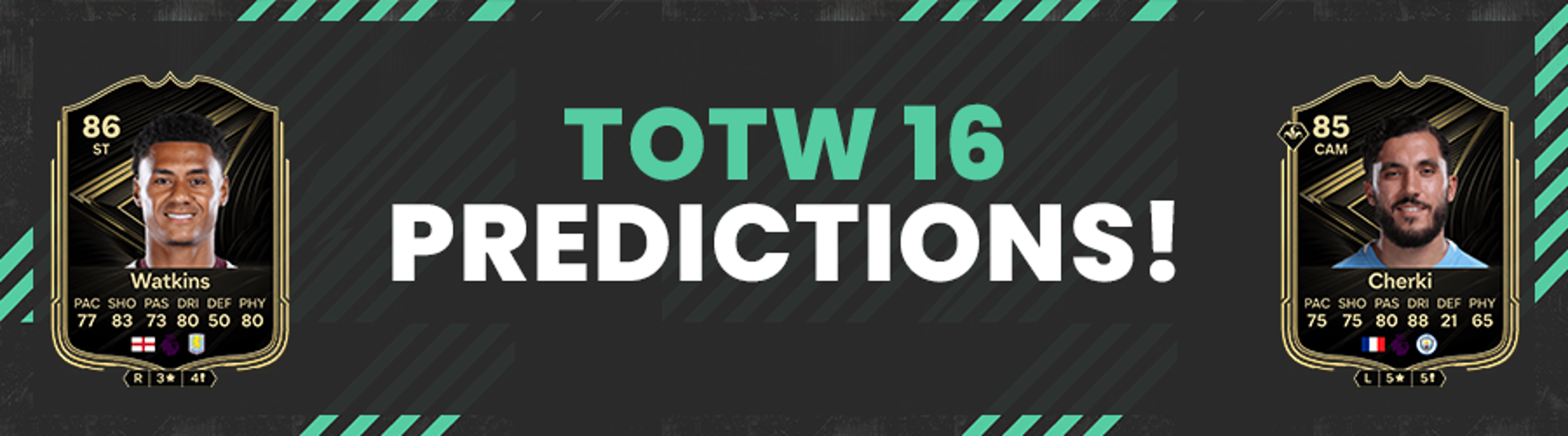
Introduction and Overview During the holiday season, most top leagues pause except for the Premier League and Serie A, which continue their fixtures. These two leagues, together with AFCON, are the primary sources for Team of the Week 16 selections. Players such as Cherki, Mahrez, and Watkins emerge as notable choices, supported by an impressive featured performance from Kalulu. Goalkeeper...
Polaris Market Research has introduced the latest market research report titled U.S. Anti-pollution Nasal Spray Market Size, Share, Trends, Analysis Report By Product Type (Pollution Defense Products, Symptomatic Relief Nasal Sprays), By Distribution Channel – Market Forecast, 2025–2034 that highlights the major revenue stream for the forecast period. The report contains...
