Metabolism plays a major role in how your body uses energy every day. It affects everything from how quickly you burn calories to how you feel after meals, how much energy you have, and even how easily you maintain or lose weight. When someone has a faster-than-average metabolism, their body processes energy at a quicker rate than most people.
In this article, we’ll explore fast metabolism symptoms, what they mean, and how to recognize the signs of high metabolism in a simple and practical way.
What Is Fast Metabolism?
Metabolism refers to all the chemical processes in your body that convert food into energy. This energy is used for breathing, digestion, muscle movement, brain function, and more.
When someone has a fast metabolism, their body burns calories at a higher rate even while resting. This can be influenced by genetics, age, muscle mass, activity level, and hormones.
A faster metabolism is not automatically “good” or “bad”—it simply means your body uses energy differently compared to others.
Common Fast Metabolism Symptoms
Several noticeable changes in the body may indicate a quicker metabolic rate. These symptoms of fast metabolism can vary from person to person, but some patterns are commonly seen.
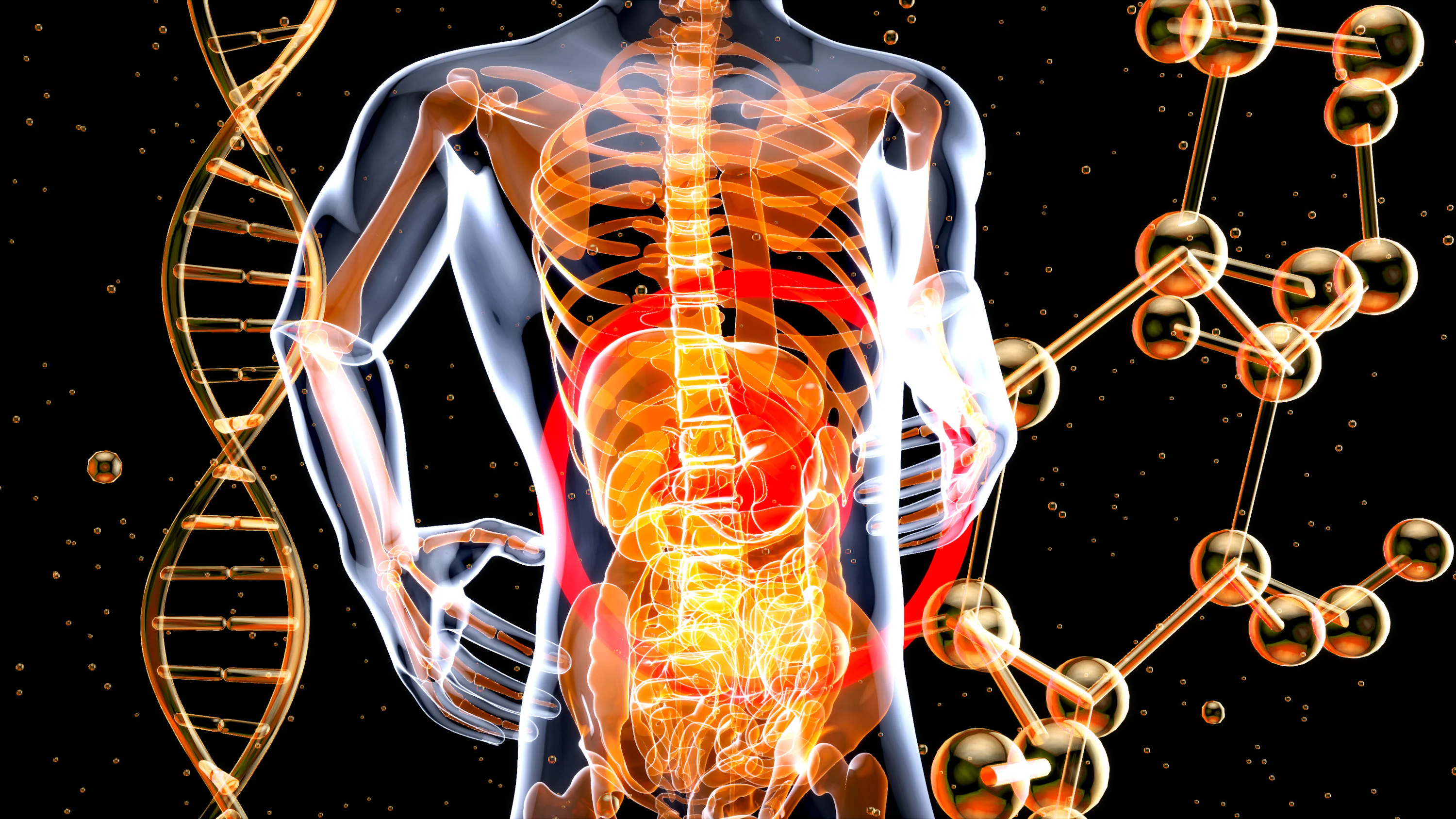
One of the most frequent signs is increased hunger. People with a fast metabolism often feel the need to eat more often because their body uses energy quickly. Even after eating a full meal, hunger may return sooner than expected.
Another common symptom is difficulty gaining weight. No matter how much food is consumed, the body may burn calories so efficiently that weight gain becomes slow or challenging.
People may also experience higher energy levels throughout the day. They tend to feel active, alert, and less tired after physical or mental activity compared to others.
Some individuals notice that they feel warm more often. A fast metabolism generates more internal heat, which can lead to frequent sweating or feeling overheated in normal conditions.
Signs of High Metabolism in Daily Life
Recognizing the signs of high metabolism in daily habits can help you understand your body better.
One clear sign is frequent eating habits. You might find yourself needing snacks between meals or feeling hungry shortly after eating. This is your body’s way of keeping up with its fast energy usage.
Another sign is quick digestion. Food moves through the digestive system faster, which may result in more frequent bowel movements.
Many people also notice they rarely feel sluggish after meals. Instead of feeling heavy or sleepy, they may feel ready to move or stay active.
Fast metabolism can also affect sleep patterns. Some people feel energized late into the night and may find it harder to wind down.
Signs of High Metabolism and Body Weight
One of the most noticeable signs of high metabolism is low or stable body weight despite eating normally or even in large amounts. This happens because the body burns calories faster than they are stored as fat.
However, it’s important to understand that body weight is influenced by many factors such as diet quality, physical activity, stress levels, and genetics—not just metabolism alone.
Another related sign is difficulty building muscle mass. Even with regular exercise, some individuals find it harder to gain visible muscle because their body uses energy quickly.
Energy Levels and Activity Patterns
People with faster metabolism often experience consistent energy throughout the day. They may not rely heavily on caffeine or stimulants to stay alert.
This steady energy can also lead to more physical movement, whether intentional exercise or natural restlessness like pacing, tapping feet, or frequent stretching.
However, in some cases, very fast metabolism may also cause fatigue if the body is not getting enough nutrients to support its energy demands.
Body Temperature and Sweating
Body temperature regulation is another area affected by metabolism.
A common observation in those with fast metabolism symptoms is feeling warm even in cool environments. This happens because the body produces more internal heat while converting food into energy.
As a result, sweating may also be more frequent. This is simply the body’s way of balancing temperature.
Digestive Behavior Changes
Digestion tends to be faster in individuals with high metabolism. Food moves through the digestive tract more quickly, which can result in:
- More frequent bowel movements
- Shorter digestion time after eating
- Less bloating after meals
While this is usually normal, extreme changes in digestion should always be discussed with a healthcare professional.
Causes Behind Fast Metabolism
Several factors influence metabolism speed:
Genetics play a major role. Some people are naturally born with a higher metabolic rate.
Muscle mass also affects metabolism. Muscle tissue burns more calories than fat tissue, even at rest.
Age is another factor. Younger people generally have faster metabolism compared to older adults.
Hormonal activity, especially thyroid function, can significantly influence metabolic speed as well.
Physical activity level is also important. Active individuals tend to have higher metabolic rates than sedentary ones.
Is Fast Metabolism Always Beneficial?
Having a fast metabolism has both advantages and challenges.
On the positive side, it can help with easier calorie burning, higher energy levels, and less fat storage.
However, it can also make weight gain difficult, especially for those trying to build muscle or maintain a healthy body weight. Some individuals may also struggle with constant hunger if their nutritional intake doesn’t match their energy use.
The key is balance—ensuring your diet and lifestyle support your body’s energy needs.
How to Support a Fast Metabolism
If you recognize symptoms of fast metabolism, it’s important to support your body properly.
Eating nutrient-rich meals at regular intervals can help maintain energy levels. Including protein, healthy fats, and complex carbohydrates ensures your body gets steady fuel.
Staying hydrated is also important, as a fast metabolism can increase fluid needs.
Strength training can help build muscle mass, which supports a healthy and balanced metabolism.
Getting enough rest is equally important, as recovery plays a big role in energy regulation.
Final Thoughts
Understanding the signs of high metabolism can help you become more aware of how your body functions. Whether you experience increased hunger, higher energy, or difficulty gaining weight, these patterns are all part of how your metabolism works.
Instead of focusing on speed alone, the goal should be balance—supporting your body with proper nutrition, hydration, exercise, and rest so it can function at its best.
A fast metabolism is simply one variation of how the human body operates, and learning to work with it can improve overall health and daily well-being.