Cortisol Blood Test: Frequently Asked Questions Answered
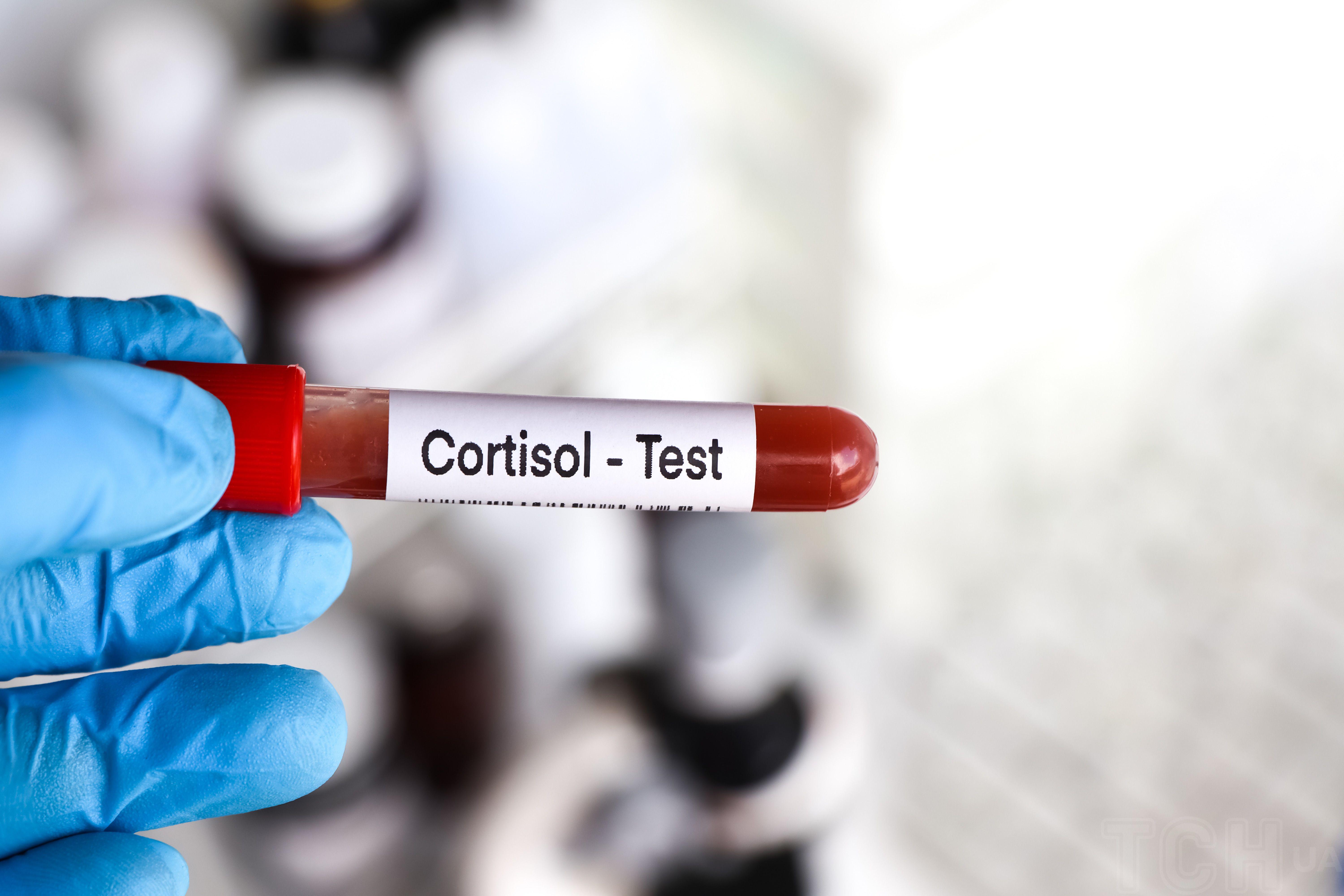
Understanding your hormone health can be confusing, especially when a healthcare provider recommends a Cortisol Blood Test Dubai. Many people have questions about why this test is ordered, what the results mean, and how it can help diagnose underlying health conditions. This comprehensive guide answers the most frequently asked questions about cortisol testing and explains everything you need to know before and after your appointment.
What Is a Cortisol Blood Test?
A cortisol blood test measures the amount of cortisol circulating in your bloodstream. Cortisol is often called the "stress hormone" because it is released by the adrenal glands in response to physical and emotional stress. However, cortisol does much more than manage stress.
This essential hormone helps regulate:
-
Blood sugar levels
-
Blood pressure
-
Metabolism
-
Immune system function
-
Inflammation
-
Sleep-wake cycles
A cortisol level test helps healthcare providers determine whether your body is producing too much or too little cortisol.
Why Would a Doctor Order a Cortisol Blood Test?
A doctor may recommend cortisol testing when symptoms suggest an adrenal gland disorder or hormonal imbalance.
Common reasons for ordering a cortisol blood test include:
Suspected Cushing's Syndrome:
High cortisol levels can indicate Cushing's syndrome, a condition caused by prolonged exposure to excessive cortisol. Symptoms may include:
-
Rapid weight gain
-
Fat accumulation around the face and neck
-
High blood pressure
-
Muscle weakness
-
Purple stretch marks
Suspected Addison's Disease:
Low cortisol levels may signal Addison's disease, where the adrenal glands fail to produce adequate hormones.
Common symptoms include:
-
Chronic fatigue
-
Unexplained weight loss
-
Low blood pressure
-
Dizziness
-
Skin darkening
Monitoring Adrenal Function:
The test may also be used to evaluate adrenal gland function after surgery, medication use, or treatment for endocrine disorders.
How Is a Cortisol Blood Test Performed?
The procedure is simple and typically takes only a few minutes.
A healthcare professional will:
-
Clean the skin over a vein.
-
Insert a small needle.
-
Collect a blood sample.
-
Send the sample to a laboratory for analysis.
Most patients experience only minor discomfort during the blood draw.
Do You Need to Fast Before a Cortisol Blood Test?
Fasting requirements vary depending on your healthcare provider's instructions and whether other blood tests are being performed simultaneously.
In many cases:
-
Fasting is not required.
-
Water is generally allowed.
-
Certain medications may need temporary adjustment.
Always follow the preparation instructions provided by your doctor.
Why Is the Test Often Done in the Morning?
Cortisol follows a natural daily rhythm known as the circadian rhythm.
Cortisol levels typically:
-
Peak early in the morning
-
Gradually decrease throughout the day
-
Reach their lowest point at night
Because of these normal fluctuations, many healthcare providers schedule cortisol blood testing between 6 a.m. and 9 a.m. for the most accurate assessment.
What Are Normal Cortisol Levels?
Normal cortisol ranges can vary slightly between laboratories.
Generally, morning cortisol levels fall within a healthy reference range, while afternoon and evening levels are naturally lower.
Several factors can influence cortisol results, including:
-
Age
-
Pregnancy
-
Physical activity
-
Stress
-
Sleep patterns
-
Certain medications
Your healthcare provider will interpret your results based on your overall medical history and symptoms.
What Causes High Cortisol Levels?
Elevated cortisol levels can occur for several reasons.
Medical Conditions:
Conditions associated with high cortisol include:
-
Cushing's syndrome
-
Adrenal tumors
-
Pituitary gland disorders
-
Severe depression
Lifestyle Factors:
Certain everyday factors may temporarily raise cortisol levels:
-
Chronic stress
-
Sleep deprivation
-
Intense exercise
-
Excessive alcohol consumption
High cortisol symptoms may include anxiety, weight gain, fatigue, and elevated blood pressure.
What Causes Low Cortisol Levels?
Low cortisol can result from problems affecting the adrenal glands or pituitary gland.
Possible causes include:
-
Addison's disease
-
Adrenal insufficiency
-
Pituitary disorders
-
Long-term corticosteroid medication use
Low cortisol symptoms often include:
-
Weakness
-
Chronic tiredness
-
Nausea
-
Loss of appetite
-
Dizziness
Prompt diagnosis is important because severe adrenal insufficiency can become a medical emergency.
Can Stress Affect Cortisol Test Results?
Yes. Emotional stress and physical stress can temporarily increase cortisol production.
Examples include:
-
Illness
-
Surgery
-
Lack of sleep
-
Anxiety before the blood draw
-
Intense physical activity
For this reason, healthcare providers often consider your recent health status when interpreting results.
Are There Other Types of Cortisol Tests?
Yes. Depending on the clinical situation, your healthcare provider may order additional testing.
Saliva Cortisol Test:
This test often measures cortisol late at night and is commonly used to evaluate Cushing's syndrome.
Urine Cortisol Test:
A 24-hour urine cortisol test measures the total amount of cortisol excreted over a full day.
ACTH Stimulation Test:
This specialized test evaluates how well the adrenal glands respond to adrenocorticotropic hormone (ACTH).
Combining multiple tests can provide a more complete picture of hormone function.
What Medications Can Influence Cortisol Levels?
Several medications can affect cortisol blood test results.
Examples include:
-
Steroid medications
-
Birth control pills
-
Estrogen therapy
-
Certain seizure medications
-
Hormone replacement therapy
Always provide your healthcare provider with a complete list of prescription medications, supplements, and over-the-counter products before testing.
How Long Does It Take to Receive Results?
Turnaround times vary depending on the laboratory.
Many patients receive results within:
-
24 to 72 hours for routine testing
-
A few days for specialized hormone panels
Your healthcare provider will explain the findings and determine whether additional testing is necessary.
Frequently Asked Questions About Cortisol Blood Testing:
Is a Cortisol Blood Test Painful?
The test involves a standard blood draw. Most people experience only mild discomfort for a few seconds.
Can I Drink Coffee Before the Test?
Some providers recommend avoiding caffeine before testing because it may influence cortisol production. Follow your doctor's instructions.
Can Poor Sleep Affect Cortisol Levels?
Yes. Sleep deprivation can significantly alter cortisol patterns and may impact test results.
Is One Cortisol Test Enough for Diagnosis?
Not always. Because cortisol levels naturally fluctuate, additional blood, saliva, or urine tests may be required for an accurate diagnosis.
Should I Be Concerned About Abnormal Results?
An abnormal result does not automatically mean you have a serious condition. Your healthcare provider will evaluate the results alongside symptoms, medical history, and other diagnostic findings.
Final Thoughts:
A cortisol blood Lab tests is a valuable diagnostic tool that helps assess adrenal health, hormone balance, and the body's stress response. Whether your doctor is investigating symptoms of adrenal insufficiency, Cushing's syndrome, chronic fatigue, or unexplained weight changes, understanding the purpose of cortisol testing can help you feel more informed and prepared.
If you are scheduled for a cortisol blood test, follow your provider's preparation instructions carefully and discuss any medications or lifestyle factors that may influence the results. Accurate testing is the first step toward identifying hormonal imbalances and developing an effective treatment plan for long-term health and wellness.
الأقسام
إقرأ المزيد
"Detailed Analysis of Executive Summary Gable Top Liquid Cartons Market Market Size and Share CAGR Value Global gable top liquid cartons market size was valued at USD 3.92 billion in 2024 and is projected to reach USD 5.65 billion by 2032, with a CAGR of 4.67% during the forecast period of 2025 to 2032. Gable Top Liquid Cartons Market Market report consists of significant data that...

According to the latest report published by Data Bridge Market Research, the Virtual Power Plants (VPPs) Market The global virtual power plants (VPPs) market size was valued at USD 5.51 billion in 2024 and is expected to reach USD 28.49 billion by 2032, at a CAGR of 22.8% during the forecast period This Virtual Power Plants (VPPs) Market research report has been formed with a nice...

Executive Summary Antimicrobials Market: Share, Size & Strategic Insights Global antimicrobials market size was valued at USD 46.45 billion in 2024 and is projected to reach USD 71.29 billion by 2032, with a CAGR of 5.5% during the forecast period of 2025 to 2032. Antimicrobials Market research report works best for the systematic gathering, recording and analysis of data for the...

If you're searching for a warm, durable, USA-friendly winter jacket that’s stylish and budget-friendly, Orolay remains one of the top-selling options in 2025. Their viral designs, exceptional down insulation, and practical features still dominate winter shopping lists across the country. Many shoppers compare Orolay to premium brands yet love that you can easily find the Orolay...

Planning a refreshing escape to the mountains has never been easier, especially with a Delhi to Manali Volvo Package designed for comfort, affordability, and convenience. Manali, nestled in the lap of the Himalayas, is one of the most loved hill stations for travelers seeking snow-capped peaks, scenic valleys, and a peaceful break from city life. With well-organized Volvo tour packages from...