


Understanding OSHA Fall Protection Requirements for Safer Work Environments
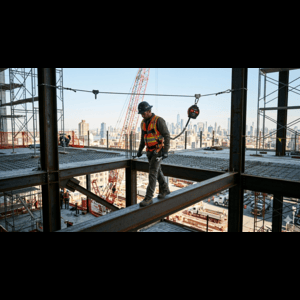
Falls remain one of the leading causes of serious workplace injuries and fatalities across the United States. Whether employees work on rooftops, construction sites, industrial facilities, or elevated platforms, effective fall protection is critical for protecting lives and maintaining regulatory compliance.
OSHA fall protection refers to the safety measures, equipment, and procedures required to protect workers from fall hazards when working at heights. These protections include guardrails, personal fall arrest systems, lifelines, anchorage systems, safety nets, and training programs designed to prevent injuries, fatalities, and regulatory violations in elevated work environments.
Why OSHA Fall Protection Matters
Every year, thousands of workers experience injuries resulting from falls from elevated surfaces. According to occupational safety data, falls consistently rank among the most common causes of workplace fatalities, particularly in construction and maintenance industries.
The Occupational Safety and Health Administration (OSHA) establishes regulations designed to minimize these risks. Organizations that implement comprehensive fall protection programs not only improve worker safety but also reduce liability exposure, project delays, workers' compensation claims, and compliance penalties.
Effective worker fall protection is more than a regulatory requirement—it is a fundamental component of workplace safety culture.
Understanding OSHA Fall Protection Requirements
OSHA regulations generally require fall protection when employees are exposed to fall hazards at specific heights, depending on the industry and work environment.
Common situations requiring protection include:
-
Rooftop work
-
Construction projects
-
Building maintenance
-
Industrial inspections
-
Elevated platforms
-
Loading docks
-
Mezzanines
-
Aerial lifts
-
Open-sided floors
-
Unprotected edges
Employers must evaluate work areas, identify hazards, implement appropriate controls, and provide proper training to all affected workers.
Failure to address fall hazards can result in severe injuries, fatalities, OSHA citations, and significant financial consequences.
Types of Fall Protection Systems
Not every work environment requires the same protection strategy. OSHA recognizes multiple forms of fall protection systems depending on the hazard and job requirements.
1. Guardrail Systems
Guardrails provide passive protection by creating a physical barrier between workers and fall hazards.
Advantages include:
-
Continuous protection
-
Minimal worker action required
-
Reduced training complexity
-
Suitable for frequent access areas
Guardrails are commonly used around rooftops, elevated walkways, platforms, and open-sided floors.
2. Personal Fall Arrest Systems (PFAS)
Personal fall arrest systems are designed to stop a worker safely if a fall occurs.
A typical PFAS includes:
-
Full-body harness
-
Shock-absorbing lanyard
-
Lifeline
-
Anchorage point
-
Connectors
These systems are widely used in construction safety and industrial maintenance environments where guardrails may not be practical.
3. Lifeline Systems
Lifeline systems provide continuous tie-off protection for workers moving across elevated surfaces.
Horizontal lifelines are especially beneficial for:
-
Roof maintenance
-
Solar installations
-
HVAC servicing
-
Industrial inspections
-
Large rooftop work areas
Organizations seeking advanced rooftop protection can explore specialized rooftop lifeline solutions that allow greater worker mobility while maintaining continuous fall protection.
4. Safety Net Systems
Safety nets provide collective protection by catching workers who fall from elevated positions.
They are commonly used in:
-
Bridge construction
-
High-rise construction
-
Large industrial projects
-
Infrastructure development
5. Positioning and Restraint Systems
These systems help workers maintain safe positioning while preventing access to fall hazards.
They are often used during:
-
Tower maintenance
-
Window cleaning
-
Telecommunications work
-
Facade inspections
Fall Protection System Comparison
| System Type | Primary Purpose | Best Application | Worker Mobility | Fall Prevention Level |
|---|---|---|---|---|
| Guardrails | Prevent access to edges | Rooftops and platforms | High | Excellent |
| Personal Fall Arrest Systems | Arrest falls after occurrence | Construction and maintenance | Moderate | Excellent |
| Horizontal Lifeline Systems | Continuous tie-off protection | Large rooftops | High | Excellent |
| Safety Nets | Catch workers after falls | High-rise construction | High | Good |
| Restraint Systems | Prevent reaching hazards | Controlled access zones | Moderate | Excellent |
Key Components of an Effective Fall Protection Program
A successful OSHA compliance strategy extends beyond equipment installation.
Organizations should focus on five essential areas:
1. Hazard Assessment
Employers must identify:
-
Unprotected edges
-
Roof openings
-
Skylights
-
Elevated work surfaces
-
Access points
-
Potential fall distances
A thorough assessment forms the foundation of all safety planning.
2. Proper Equipment Selection
Selecting appropriate fall protection systems requires consideration of:
-
Work environment
-
Frequency of access
-
Number of workers
-
Structural conditions
-
Rescue requirements
Different projects may require different combinations of systems.
3. Worker Training
Employees must understand:
-
Hazard recognition
-
Equipment inspection
-
Proper harness use
-
Tie-off procedures
-
Emergency response protocols
Training should be ongoing and regularly updated.
4. Equipment Inspection
Fall protection equipment should be inspected:
-
Before each use
-
After incidents or impact events
-
At scheduled intervals
-
During annual audits
-
Before major projects
Damaged equipment must be removed from service immediately.
5. Rescue Planning
An overlooked aspect of OSHA compliance is post-fall rescue planning.
Employers should establish:
-
Rescue procedures
-
Communication protocols
-
Emergency contacts
-
Equipment access plans
-
Rescue training programs
Rapid response can significantly reduce injury severity.
Rooftop Safety: One of Today's Most Critical Challenges
Commercial rooftops present unique fall hazards that require specialized protection strategies.
Workers commonly access roofs for:
-
HVAC maintenance
-
Solar panel installation
-
Facility inspections
-
Equipment servicing
-
Roof repairs
Unlike temporary construction sites, commercial rooftops often require permanent safety solutions due to recurring access needs.
Modern rooftop safety programs increasingly incorporate engineered anchorage systems and horizontal lifeline systems that provide continuous protection without restricting worker productivity.
These systems help organizations balance safety, compliance, and operational efficiency.
The Role of Anchorage Systems in Fall Protection
Anchorage systems are among the most critical components of any fall protection program.
Without properly engineered anchor points, even the highest-quality harnesses and lifelines cannot provide adequate protection.
Effective anchorage systems should:
-
Meet applicable load requirements
-
Be professionally designed
-
Be compatible with connected equipment
-
Support intended worker movement
-
Undergo regular inspection
For rooftop applications, permanent anchorage systems often provide superior long-term value compared to temporary solutions.
OSHA Compliance Best Practices
Achieving OSHA compliance requires a proactive approach.
Organizations that consistently perform well typically follow these best practices:
Develop Written Safety Policies
Document procedures for:
-
Hazard assessments
-
Equipment inspections
-
Worker responsibilities
-
Incident reporting
-
Rescue operations
Conduct Regular Audits
Routine evaluations help identify:
-
Emerging hazards
-
Equipment deficiencies
-
Training gaps
-
Compliance issues
Use Qualified Safety Professionals
Experienced safety experts can:
-
Evaluate risks
-
Recommend solutions
-
Verify compliance
-
Improve program effectiveness
Invest in Permanent Safety Infrastructure
Permanent rooftop and elevated access systems often provide:
-
Better long-term protection
-
Reduced setup time
-
Lower lifecycle costs
-
Improved worker confidence
Common Fall Protection Mistakes Employers Should Avoid
Despite increased awareness, several recurring mistakes continue to contribute to workplace incidents.
Inadequate Training
Workers cannot effectively use equipment they do not fully understand.
Improper Anchorage Selection
Attaching equipment to unsuitable structures can lead to catastrophic failures.
Lack of Equipment Inspections
Damaged components may fail during critical moments.
Missing Rescue Plans
Stopping a fall is only part of the protection process.
Assuming Compliance Equals Safety
Minimum compliance standards should be viewed as a baseline rather than the ultimate goal.
Organizations that prioritize continuous improvement typically achieve stronger safety outcomes.
Future Trends in Fall Protection
Technology is transforming workplace safety.
Emerging developments include:
-
Smart safety harnesses
-
Connected monitoring systems
-
Digital inspection platforms
-
Advanced anchorage engineering
-
Predictive risk assessment tools
-
Real-time worker location monitoring
These innovations support safer elevated work environments while improving compliance management and operational efficiency.
Frequently Asked Questions
What is OSHA fall protection?
OSHA fall protection refers to safety measures, equipment, and procedures designed to protect workers from fall hazards when working at elevated heights. These measures include guardrails, personal fall arrest systems, lifelines, safety nets, and anchorage systems.
When does OSHA require fall protection?
Requirements vary by industry, but OSHA generally mandates fall protection when workers are exposed to fall hazards above specific height thresholds in construction, general industry, and maintenance settings.
What is a personal fall arrest system?
A personal fall arrest system (PFAS) typically consists of a full-body harness, lanyard, connector, lifeline, and anchorage point designed to safely stop a worker during a fall event.
Why are anchorage systems important?
Anchorage systems serve as the secure attachment point for fall protection equipment. Properly designed anchorages ensure fall arrest forces can be safely managed during an incident.
What is the difference between fall restraint and fall arrest?
Fall restraint prevents workers from reaching a fall hazard, while fall arrest systems stop a worker after a fall has occurred.
Are horizontal lifeline systems OSHA compliant?
Yes. Properly engineered, installed, and maintained horizontal lifeline systems can support OSHA compliance while providing continuous worker protection on rooftops and other elevated surfaces.
How often should fall protection equipment be inspected?
Equipment should be inspected before each use, after incidents, and according to manufacturer recommendations and employer inspection schedules.
What industries benefit most from fall protection systems?
Construction, manufacturing, facility maintenance, telecommunications, utilities, energy, warehousing, and commercial building operations all benefit from comprehensive fall protection programs.
Conclusion
OSHA fall protection remains one of the most important aspects of workplace safety. Effective programs combine hazard assessments, worker training, fall protection systems, anchorage solutions, and ongoing compliance management to reduce risks in elevated work environments.
Organizations that invest in proactive safety measures not only meet regulatory obligations but also protect their most valuable asset—their workforce.
As rooftop access, maintenance activities, and construction projects continue to grow, implementing reliable worker fall protection systems becomes increasingly essential. Whether through guardrails, personal fall arrest systems, lifeline systems, or engineered anchorage solutions, the goal remains the same: preventing falls and ensuring every worker returns home safely.
Categorias
Leia mais
In power electronics, efficient voltage conversion is essential for a wide range of industrial, commercial, and educational applications. A Step Up Chopper, also known as a Boost Chopper, is a DC-to-DC converter that increases the output voltage above the input voltage level. It plays a crucial role in applications where a higher DC voltage is required from a lower voltage source. Step-up...

Polaris Market Research has published a brand-new report titled Liquid Nitrogen Market Share, Size, Trends, Industry Analysis Report, By Function (Refrigerant and Coolant); By Processing Technology; By End-Use; By Region; Segment Forecast, 2023 - 2032 that includes extensive information and analysis of the industry dynamics. The opportunities and challenges in the report's dynamical...

Doctors commonly prescribe Imatinib Tablets IP 400 mg to treat specific blood cancers which include chronic myeloid leukemia and gastrointestinal stromal tumors. Imatinib Tablets IP 400 mg function as a targeted therapy which interrupts cancer cell growth by blocking specific protein functions. The mechanism of this treatment helps to delay disease advancement while providing benefits for...

According to the latest report published by Data Bridge Market Research, the Blood Plasma Market The global blood plasma market size was valued at USD 34.96 billion in 2024 and is expected to reach USD 78.27 billion by 2032, at a CAGR of 10.60% during the forecast period With the clear understanding of customer requirement, one method or...
Gujarat, a state renowned for its rich culture, diverse landscapes, and vibrant cities, is one of the most fascinating destinations in India. Whether you're exploring the bustling streets of Ahmedabad, enjoying the scenic beauty of Kutch, or heading to the Rann of Kutch festival, reliable and comfortable transportation is key to making your journey smooth and enjoyable. That’s where our...