


How Industrial Automation Is Reshaping the Global Valve Positioner Market

Introduction
The global Valve Positioner Market is undergoing a significant transformation, driven by accelerating industrialization, the rise of smart manufacturing, and rapidly growing investments in energy infrastructure. Valued at USD 1.82 billion in 2024, the market is projected to reach USD 3.01 billion by 2034, expanding at a steady compound annual growth rate (CAGR) of 5.20% over the forecast period, according to research published by Polaris Market Research. This trajectory reflects not just a demand for industrial components but a deeper shift in how modern industries approach precision, automation, and operational efficiency.
Valve positioners are critical devices in process control systems. They ensure the accurate positioning of control valves, enabling precise regulation of fluid flows whether gases, liquids, or steam. By acting as an intermediary between the control signal and the valve actuator, positioners continuously compare a valve's actual position against its commanded position and make real-time corrections to eliminate any discrepancies. This closed-loop control function is indispensable across industries such as oil & gas, chemicals, power generation, and water treatment, where even minor deviations can result in safety hazards, product quality issues, or massive operational losses.
Key Market Drivers
One of the most powerful engines propelling the Valve Positioner Market is the rapid expansion of the chemical and petrochemical industry worldwide. These sectors depend heavily on precise flow control across complex manufacturing processes, from feedstock regulation in refineries to ingredient dosing in specialty chemical plants. As global chemical production continues to expand particularly in Asia and the Middle East the demand for reliable, high-performance valve positioners grows in tandem.
Renewable energy is another major catalyst reshaping the market landscape. Solar thermal power systems rely on valve positioners to regulate heat transfer fluids, while biogas and hydrogen production plants use them to manage gas flow and pressure with precision. Wind energy projects also drive demand, as hydraulic systems within turbines require accurate valve control for optimal turbine performance. As countries accelerate their energy transitions and set ambitious decarbonization targets, the need for advanced control solutions including high-precision valve positioners is only set to intensify.
Urbanization is also a key structural driver. According to the United Nations, two-thirds of the world's population is expected to reside in urban areas by 2050. This demographic shift necessitates substantial investments in water treatment plants, energy generation facilities, and HVAC systems all of which require precise valve control. Growing urban populations create an unrelenting demand for reliable infrastructure, pushing industries to adopt more sophisticated automation technologies, including smart valve positioners.
𝐄𝐱𝐩𝐥𝐨𝐫𝐞 𝐓𝐡𝐞 𝐂𝐨𝐦𝐩𝐥𝐞𝐭𝐞 𝐂𝐨𝐦𝐩𝐫𝐞𝐡𝐞𝐧𝐬𝐢𝐯𝐞 𝐑𝐞𝐩𝐨𝐫𝐭 𝐇𝐞𝐫𝐞:
https://www.polarismarketresearch.com/industry-analysis/valve-positioner-market
Product Segmentation: Pneumatic, Electro-Pneumatic, and Digital
The Valve Positioner Market is segmented by product type into pneumatic valve positioners, electro-pneumatic valve positioners, and digital valve positioners. Pneumatic valve positioners dominated the market in 2024, accounting for 44.13% of total revenue. Their enduring popularity stems from their robustness, cost-effectiveness, and proven reliability in harsh industrial environments particularly in oil & gas and chemical sectors where electrical components can be vulnerable. The relatively low upfront costs and simple maintenance requirements make pneumatic models the preferred choice for many brownfield installations.
Electro-pneumatic valve positioners are gaining rapid momentum, combining the mechanical reliability of pneumatic actuation with electronic control for superior accuracy and faster response. As industries embrace IoT connectivity and Industry 4.0 principles, electro-pneumatic models that interface seamlessly with digital systems are seeing increased adoption across pharmaceuticals, food & beverage, and power generation. Meanwhile, digital valve positioners featuring advanced self-diagnostic capabilities, communication protocols such as HART and Foundation Fieldbus, and predictive maintenance functionalities represent the cutting edge of the market and are increasingly preferred in greenfield projects demanding maximum intelligence and integration.
Application Landscape: Energy & Power Leads the Way
In terms of application, the energy & power segment was the largest contributor to the Valve Positioner Market in 2024, holding a 34.03% revenue share. Power plants whether thermal, nuclear, or renewable rely on valve positioners to regulate steam flow to turbines, manage cooling water circuits, and control fuel supply lines. The modernization of aging power infrastructure and the integration of smart grid technologies are further amplifying demand. Oil & gas is another high-growth application segment, underpinned by rising global energy demand and surging investments in upstream, midstream, and downstream operations.
The water & wastewater management segment is also emerging as a significant growth area, as governments worldwide invest in new treatment facilities and upgrade aging municipal infrastructure. Similarly, the food & beverage sector increasingly relies on valve positioners to maintain hygienic processes and consistent product quality. Across all these application domains, the common thread is an uncompromising need for precision, reliability, and automation the core value proposition of modern valve positioners.
Regional Insights and Competitive Landscape
Geographically, North America commanded the largest share of the Valve Positioner Market in 2024, accounting for 34.15% of global revenue. The United States was the dominant force within the region, fueled by its extensive oil & gas infrastructure, aggressive industrial automation initiatives, and stringent EPA regulations that compel industries to minimize emissions through high-precision control solutions. Shale gas production with approximately 78% of total U.S. dry natural gas output originating from shale formations further underpins demand for reliable valve positioning solutions.
Asia Pacific, however, is projected to record the fastest growth over the forecast period. Countries including China, India, and Japan are making substantial investments in oil & gas infrastructure, water treatment, and power plants. India's chemical and petrochemical industry alone is expected to grow to approximately USD 300 billion by 2025, creating enormous downstream demand for valve control solutions. The global competitive landscape is led by industry titans such as Emerson Electric Co., ABB, Schneider Electric, Azbil Corporation, and Flowserve Corporation, all of which are investing in smart, IIoT-enabled positioners to capture the next wave of market growth.
Conclusion
The Valve Positioner Market stands at a pivotal intersection of industrial modernization, energy transition, and digital transformation. As industries globally seek greater efficiency, safety, and sustainability, the demand for advanced valve positioning solutions will continue its upward trajectory. With a market poised to nearly double between 2024 and 2034, businesses that invest early in next-generation digital and smart positioner technologies stand to capture outsized returns in one of industrial automation's most essential sectors.
More Trending Latest Reports By Polaris Market Research:
Digital Video Advertising Market
Digital Video Advertising Market
U.S. Outdoor Air Quality Monitoring System Market
Categorias
Leia mais
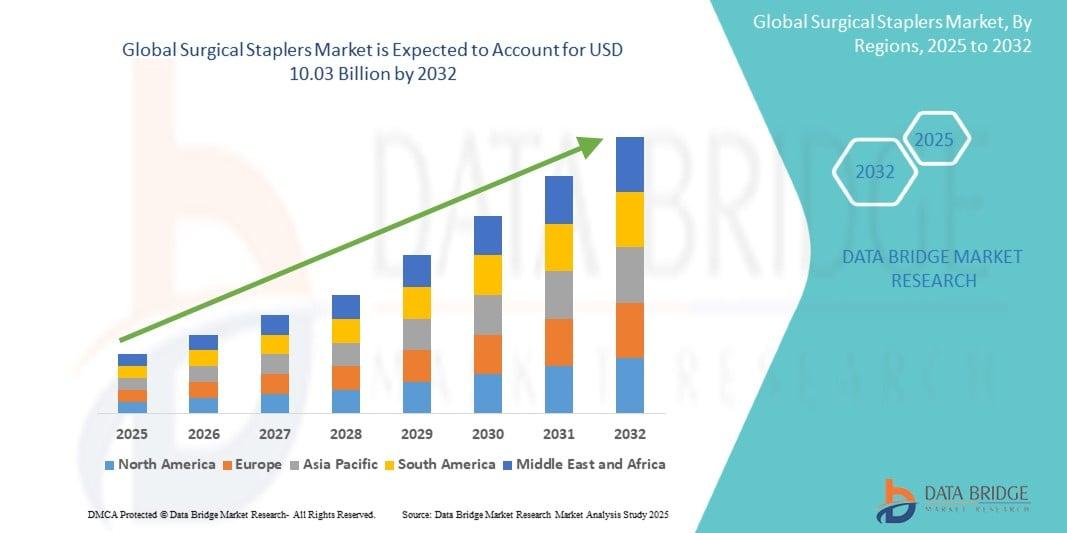
"Surgical Staplers Market Summary: According to the latest report published by Data Bridge Market Research, the Surgical Staplers Market The global surgical staplers market size was valued at USD 5.62 billion in 2024 and is expected to reach USD 10.03 billion by 2032, at a CAGR of 7.52% during the forecast period Surgical Staplers Market analysis...
"Context Aware Computing Market Summary: According to the latest report published by Data Bridge Market Research, the Context Aware Computing Market The global context aware computing market size was valued at USD 77.9 billion in 2025 and is expected to reach USD 652.86 billion by 2033, at a CAGR of 30.44% during the forecast period Thorough and...

Fascinate Textiles IPO GMP today is ₹0, according to the latest available grey market update. The GMP is currently showing 0, with no upward or downward movement. With the IPO upper price band fixed at ₹156 per share, a GMP of ₹0 indicates an estimated listing price of ₹156 per share. Fascinate Textiles IPO GMP & Key Details Particulars Details IPO Name Fascinate Textiles IPO...

📚 All Exam Questions is your go-to platform for exam preparation, practice questions, mock tests, and useful study resources. Explore important questions, improve your knowledge, and prepare smarter for academic and professional exams. Start practicing today with All Exam Questions and boost your exam confidence! 🎯📖

Brass and aluminum are two widely used metals across manufacturing, construction, engineering, and consumer products. Although both materials offer versatility and reliability, they differ significantly in composition, mechanical properties, cost, and ideal applications. Understanding these differences helps designers, engineers, and buyers make informed decisions when selecting the right...
