Why BTEX Elimination Systems Are Becoming Essential for Modern Industrial Operations
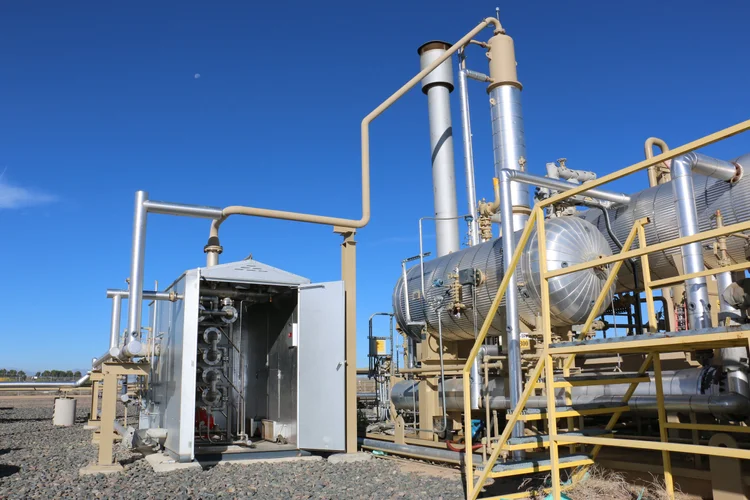
Industrial operations create plenty of challenges.Waste management is another.
Then there’s vapor control, emissions management, environmental compliance, worker safety, equipment reliability... the list keeps growing.
For years, many companies focused heavily on containment and storage while treating emissions control like something secondary.
That approach is changing.
BTEX Elimination Systems are becoming a bigger part of industrial operations because companies are realizing that controlling vapors is just as important as controlling liquids.
Sometimes more important.
What Exactly Is BTEX and Why Does It Create Problems?
BTEX stands for four common compounds:
-
Benzene
-
Toluene
-
Ethylbenzene
-
Xylene
These compounds are common across industries that handle petroleum products, produced water, industrial fluids, chemicals, and hydrocarbon-based materials.
The problem isn't simply that these compounds exist.
The problem is what happens when they escape into the surrounding environment through vapor release during storage, transfer, processing, or containment operations.
That creates risks.
Environmental risks.
Operational risks.
Safety risks.
And obviously, nobody wants additional problems.
Why Vapor Emissions Are Becoming Harder to Ignore
Years ago, emissions management sometimes received less attention.
Now things look different.
Industrial operators face increasing pressure related to:
-
Environmental regulations
-
Site safety standards
-
Worker protection requirements
-
Community expectations
-
Operational efficiency goals
Companies are realizing something fairly simple.
Preventing emissions problems is easier than cleaning up emissions problems.
Usually cheaper too.
How BTEX Elimination Systems Actually Work in Industrial Operations
BTEX Elimination Systems are designed to control, reduce, or eliminate harmful vapor emissions generated during industrial processes.
These systems often support:
-
Storage operations
-
Tank systems
-
Fluid transfer activities
-
Produced water handling
-
Waste containment operations
-
Processing facilities
The overall goal isn't complicated.
Reduce unwanted emissions before they create bigger operational challenges.
Why Containment Alone Is No Longer Enough
Storage tanks matter.
Containment systems matter.
But containment alone doesn't always solve vapor-related problems.
Liquids stored inside tanks can still generate vapors.
Transfer systems can still create emissions.
Temperature changes can still increase vapor production.
This is why modern industrial infrastructure increasingly combines containment with vapor management rather than treating them separately.
Both systems work better together.
Industrial Facilities Are Handling More Volume Than Before
Production continues increasing across many industries.
Larger projects create larger storage demands.
Larger storage demands create larger emissions challenges.
Facilities dealing with higher volumes often face:
-
Increased vapor generation
-
Greater storage requirements
-
More complicated fluid handling
-
Larger environmental exposure risks
Managing these challenges requires infrastructure that scales properly.
Otherwise operations become increasingly difficult to manage.
Why Jatco USA Inc Has Become Relevant for Industrial Containment
Industrial containment solutions have evolved because projects have become more demanding.
Companies increasingly require systems capable of supporting:
-
Temporary storage
-
Portable containment
-
Environmental projects
-
Large-scale fluid management
-
Produced water handling
-
Harsh operating environments
This is one reason many operations evaluate solutions from jatco usa inc when building containment and environmental management infrastructure.
Projects rarely fit neatly into simple equipment categories anymore.
Flexibility matters.
Portable Solutions Are Becoming More Important
Not every operation stays in one location.
Remote projects create unique challenges.
Construction projects move.
Environmental remediation sites change.
Temporary infrastructure often becomes necessary.
Portable containment and vapor management solutions allow operators to respond faster without rebuilding systems every time projects shift.
That flexibility saves both time and money.
Sometimes a lot of both.

Environmental Compliance Is Only Part of the Story
People often assume vapor management exists only because regulations require it.
That isn't completely true.
Effective BTEX control can also help companies:
-
Reduce downtime
-
Improve site safety
-
Protect equipment
-
Lower maintenance issues
-
Improve operational efficiency
-
Reduce cleanup costs
Operational performance and environmental performance are increasingly connected.
Improving one often helps the other.
Harsh Operating Conditions Require Stronger Systems
Industrial environments are not gentle places.
Equipment regularly faces:
-
Heat exposure
-
Corrosive materials
-
Remote deployment
-
Heavy transportation
-
Continuous operation cycles
-
Extreme weather
Equipment reliability matters because replacing failed systems during active operations usually creates additional problems.
Strong systems survive longer.
Longer service life generally means fewer headaches.
Future Trends for Vapor Management Systems
Industrial infrastructure continues changing.
Some trends becoming more common include:
-
Increased emissions monitoring
-
Modular vapor management systems
-
Portable environmental infrastructure
-
Higher-capacity containment
-
Better automation systems
-
Integrated environmental solutions
Companies increasingly want fewer systems doing more work.
The market is adapting.
Why Integrated Systems Usually Make More Sense
Separating containment, storage, and emissions management often creates unnecessary complexity.
Integrated approaches frequently improve:
-
Installation speed
-
Operational efficiency
-
Maintenance simplicity
-
Monitoring capabilities
-
Overall system performance
The fewer disconnected systems operators manage, the easier daily operations often become.
At least that's usually the goal.
Final Thoughts
Industrial operations today require more than basic storage solutions.
Containment matters.
Environmental performance matters.
Vapor management matters too.
BTEX Elimination Systems are becoming increasingly important because controlling emissions has become part of running efficient operations rather than simply satisfying regulations.
At the same time, companies continue looking toward providers like jatco usa inc for containment and infrastructure solutions capable of supporting demanding project requirements.
Because modern industrial projects require more than storage alone.
Explore industrial containment, environmental infrastructure, and vapor management solutions by visiting Jatco and finding systems designed for real-world industrial challenges.
FAQ’s
What are BTEX Elimination Systems used for?
BTEX Elimination Systems are used to reduce or control vapor emissions involving benzene, toluene, ethylbenzene, and xylene compounds generated during industrial operations.
Why are BTEX compounds considered important in industrial operations?
BTEX compounds can create environmental, safety, and operational concerns when vapors are not properly managed.
Can containment systems alone control vapor emissions?
Not always. Storage systems often require additional vapor management solutions to effectively reduce emissions risks.
Why do industrial facilities invest in vapor management systems?
Vapor management systems help improve safety, reduce emissions exposure, support compliance requirements, and improve overall operational efficiency.
Categorias
Leia Mais
Hot Runner Infrastructure Is Quietly Reshaping Global Manufacturing Efficiency: The Hidden Network Behind Billion-Part Production Economies Walk through any modern factory producing automotive dashboards, medical syringes, beverage closures, electronics housings, cosmetic packaging, or consumer appliances and one technology repeatedly appears behind the scenes:...
Trong thời đại công nghệ số phát triển mạnh mẽ, nhu cầu giải trí trực tuyến ngày càng trở nên phổ biến. Người dùng hiện nay không chỉ tìm kiếm sự tiện lợi mà còn mong muốn được trải nghiệm những trò chơi hấp dẫn trong một môi trường hiện đại và ổn định. AO88 chính là một trong những nền...

Streetwear has become more than just a fashion statement; it’s a culture, a lifestyle, and a form of self-expression. Among the most recognized names in streetwear, Stussy Hoodie stands out as a symbol of comfort, style, and authenticity. Known for its unique designs and cultural relevance, Stussy Hoodie has captured the hearts of fashion enthusiasts across the globe. Origins of the...

White House Murder Mystery Step into a world where political intrigue meets deadly secrets, as a new mystery unfolds within the hallowed halls of power. Following the legacy of captivating Washington dramas, this fresh tale invites you to the most catastrophic state dinner ever held. At the center of the storm is a brilliant and sardonic investigator, played by the acclaimed Uzo Aduba,...

Oscar Season Turns Ugly: Controversy Surrounds Academy Awards Campaign The prestigious Academy Awards race has descended into a contentious battlefield this year, with allegations of negative campaigning and strategic smears targeting frontrunners. Universal Pictures' leadership has publicly voiced concerns about what they perceive as coordinated attacks against their acclaimed film "A...