The Role of Aluminium Boats Manufacturers in Modern Maritime Transport
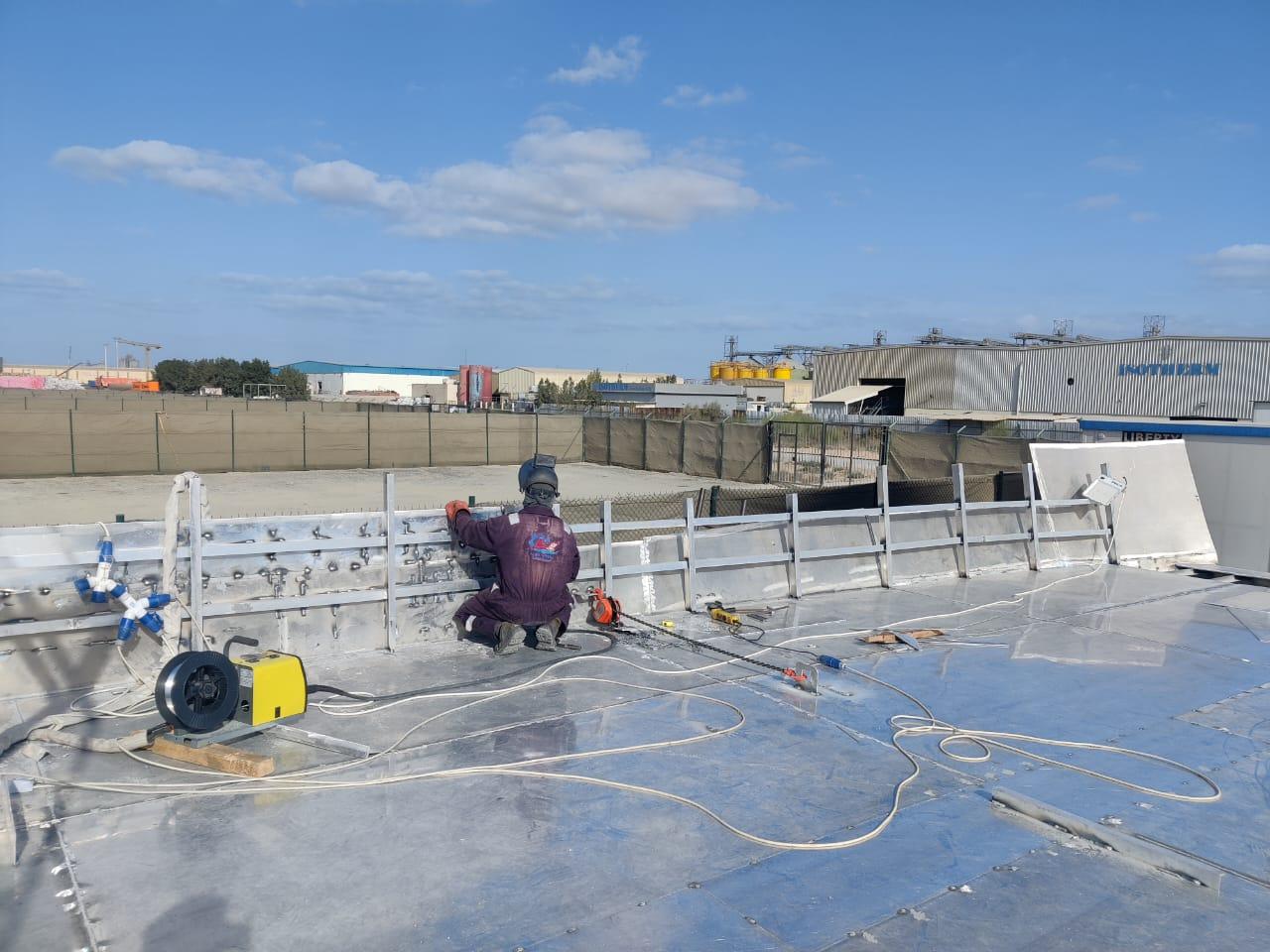
The maritime industry is evolving rapidly as global trade, passenger transportation, and offshore operations continue to expand. Modern vessel operators are looking for solutions that offer better performance, lower operating costs, and improved sustainability. As a result, aluminium boats manufacturers have become increasingly important in the marine sector. Their ability to produce lightweight, durable, and fuel-efficient vessels has transformed the way maritime transportation operates. Aluminium boats are now widely used for commercial transport, patrol operations, passenger ferries, and offshore support services because they provide excellent performance while helping operators reduce long-term costs.
Growing Importance of Aluminium in Maritime Transport
Aluminium has become one of the most preferred materials in modern marine construction. Compared to traditional steel vessels, aluminium boats are significantly lighter while still maintaining excellent structural strength. This combination allows vessels to travel faster, carry larger payloads, and consume less fuel. According to the International Aluminium Institute, nearly 75% of all aluminium ever produced remains in use today because of its high recyclability. This makes aluminium one of the most sustainable materials available for marine applications. The increasing demand for environmentally responsible transportation solutions is encouraging more vessel operators to invest in aluminium-based marine fleets.
Enhancing Fuel Efficiency and Operational Performance
One of the biggest advantages of aluminium vessels is their ability to improve fuel efficiency. Since aluminium weighs substantially less than steel, engines require less power to move the vessel through water. This results in lower fuel consumption and reduced operational expenses. Modern aluminium boat building techniques also allow manufacturers to create advanced hull designs that reduce drag and improve hydrodynamic performance. Industry studies suggest that lightweight marine vessels can reduce fuel consumption by 15% to 25% depending on vessel type and operating conditions. For commercial operators, these savings can significantly improve profitability while supporting environmental sustainability goals.
Supporting Sustainable Maritime Operations
Sustainability has become a major priority across the global maritime industry. International regulations aimed at reducing carbon emissions are encouraging vessel owners to adopt cleaner and more efficient technologies. Aluminium supports these objectives because it is fully recyclable and offers a longer service life compared to many traditional materials. Research indicates that recycling aluminium requires approximately 95% less energy than producing new aluminium from raw materials. In addition, a professional boat building company can integrate environmentally friendly technologies such as hybrid propulsion systems, energy-efficient equipment, and electric power solutions into modern aluminium vessels. These developments are helping the marine industry reduce its environmental impact while maintaining operational efficiency.
Improving Durability in Harsh Marine Environments
Marine vessels regularly face harsh operating conditions, including exposure to saltwater, humidity, strong winds, and varying temperatures. These conditions can accelerate corrosion and increase maintenance requirements. Aluminium offers a significant advantage because it naturally forms a protective oxide layer that helps resist corrosion. This reduces the need for frequent repairs and lowers maintenance costs throughout the vessel's lifespan. Industry estimates suggest that maintenance expenses can account for up to 20% of a vessel's lifetime operating costs. By minimizing corrosion-related damage, aluminium vessels provide long-term economic benefits. Because of these advantages, aluminium boat builders continue to play a vital role in delivering reliable vessels capable of operating effectively in demanding marine environments.
Meeting the Needs of Diverse Maritime Applications
Modern maritime transport requires specialized vessels for a wide variety of operations. Aluminium's versatility makes it suitable for passenger ferries, patrol boats, workboats, offshore support vessels, and rescue craft. Passenger ferries benefit from higher speeds and lower fuel consumption, while patrol boats gain improved maneuverability and rapid response capabilities. Offshore operators value aluminium vessels for their strength, durability, and efficiency in transporting personnel and equipment. Workboats used in ports and harbors also benefit from lower maintenance requirements and longer operational lifespans. Because of these diverse applications, aluminium boat builder company expertise has become increasingly important in supporting the evolving needs of the global maritime industry.
Advancing Marine Safety Standards
Safety remains one of the most critical aspects of maritime transportation. Modern aluminium vessels are designed to comply with strict international safety standards and classification requirements. Aluminium's excellent strength-to-weight ratio allows manufacturers to create strong and stable vessels without adding excessive weight. Advanced construction techniques improve structural integrity, while modern navigation systems enhance situational awareness and operational safety. Many aluminium vessels also feature improved compartment designs and optimized weight distribution, helping operators maintain stability in challenging sea conditions. These innovations contribute to safer transportation for passengers, crew members, and cargo.
Driving Innovation Through Modern Manufacturing
Technological advancements are transforming vessel construction processes across the marine industry. Manufacturers now utilize computer-aided design (CAD), 3D modeling, automated welding systems, and digital quality-control technologies to improve production efficiency and accuracy. These innovations help reduce construction time while ensuring high-quality standards. Reports suggest that digital manufacturing technologies can improve production efficiency by as much as 30%. Advanced engineering techniques also allow manufacturers to optimize vessel performance, enhance fuel efficiency, and improve overall reliability. Continuous innovation is enabling the maritime industry to meet growing transportation demands while maintaining high operational standards.
The Contribution of VU Marine to Modern Maritime Transport
Among the organizations contributing to the advancement of aluminium vessel construction, VU Marine has established a reputation for supporting modern marine transportation through quality engineering and innovative vessel solutions. By focusing on durability, efficiency, and advanced construction methods, VU Marine reflects the industry's commitment to delivering high-performance aluminium vessels that meet the demands of today's maritime sector. The company's approach demonstrates how modern aluminium boat manufacturing can contribute to improved operational efficiency and long-term sustainability.
Future Outlook for Aluminium Boats
The future of maritime transportation is expected to focus heavily on sustainability, efficiency, and technological innovation. Growing environmental regulations and increasing fuel costs are encouraging operators to invest in lightweight and energy-efficient vessels. Market research indicates that demand for advanced marine vessels will continue to rise as international trade and coastal transportation expand. Emerging technologies such as hybrid propulsion systems, smart vessel monitoring, and autonomous navigation are expected to further increase the value of aluminium boats. As these trends continue to shape the marine industry, aluminium vessels will remain a key component of modern transportation systems worldwide.
Conclusion
Aluminium boats have become an essential part of modern maritime transport because they offer a combination of efficiency, durability, sustainability, and safety. Their lightweight construction reduces fuel consumption, while their corrosion resistance lowers maintenance costs and extends vessel lifespan. These advantages make aluminium vessels suitable for a wide range of maritime applications, from passenger transportation and offshore operations to security and commercial services. As the industry continues to embrace innovation and environmental responsibility, aluminium boats will play an increasingly important role in shaping the future of global maritime transportation, with companies such as VU Marine contributing to this ongoing progress.
Categorie
Leggi tutto
Nanotechnology Antimicrobial Solutions Transforming the Antibiotic Resistance Market Antimicrobial resistance (AMR) has become one of the most urgent healthcare challenges worldwide, creating serious concerns for hospitals, pharmaceutical companies, and public health systems. As bacteria continue to develop resistance to traditional antibiotics, the need for advanced and more effective...

The global Circulating Fluidized Bed (CFB) Boiler Market is witnessing significant growth due to the increasing demand for efficient and environmentally sustainable power generation technologies. CFB boilers are widely used in industries such as power generation, oil and gas, chemicals, and manufacturing because of their ability to burn a wide variety of fuels while maintaining lower emissions...

В сообществе Call of Duty League недавно вспыхнули жаркие дискуссии после публикации в интернете таблицы с предполагаемыми доходами всех игроков лиги. Эта утечка совпала с возобновлением активности CDL в начале декабря и началом формирования новых команд на предстоящий сезон. Часть информации была подтверждена как действующими, так и бывшими профессионалами, такими как Сабри "lqgend" Каси и...

Packaging plays an important role in the presentation and protection of soap products. Whether it is handmade soap, organic soap, or commercial soap bars, proper packaging helps maintain quality and enhance brand appeal. Soap wrapping paper has become a popular choice for soap manufacturers and small businesses because it offers protection, customization, and an eco-friendly packaging option....
Search decisions no longer rely on assumptions. They rely on intelligence. Businesses that still depend on manual reporting feel blind in competitive markets. I have seen brands invest time, money, and energy into SEO without clarity. Traffic arrives, but conversions stall. Rankings fluctuate without explanation. That uncertainty disappears when AI SEO Services guide every decision....