


Why Consumers Are Investing in Log Homes for Comfort, Nature, and Sustainability
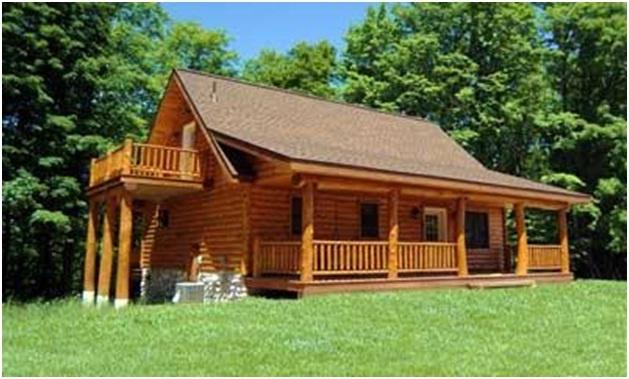
The global log cabin or log home market is experiencing robust growth as consumers increasingly seek sustainable, comfortable, and nature-oriented living spaces. Valued at US$ 9.8 billion in 2022, the market is projected to grow at a CAGR of 7.6% from 2023 to 2031, reaching approximately US$ 14.3 billion by the end of the forecast period.
The growing popularity of rural tourism, increasing disposable income, and rising interest in eco-friendly housing solutions are among the key factors driving market expansion. As more consumers prioritize wellness, outdoor experiences, and environmentally responsible lifestyles, log cabins and log homes are becoming attractive options for both residential and recreational purposes.
Understanding the Appeal of Log Cabins and Log Homes
Log cabins have a long history and are traditionally constructed using natural wooden logs. Commonly found in regions rich in timber resources such as Scandinavia, Eastern Europe, Canada, and parts of North America, these structures are valued for their rustic charm, durability, and connection to nature.
Modern log homes have evolved significantly from their traditional designs. Today's luxury log cabins often include premium amenities such as swimming pools, spacious living areas, smart home technologies, and dedicated parking facilities. Despite these advancements, they continue to maintain their natural aesthetic and eco-friendly appeal.
Wood species such as cedar, pine, and hardwood remain popular choices due to their strength, insulation properties, and visual attractiveness. Additionally, log homes are relatively easy to construct, with many designs capable of being assembled within days, making them a practical housing solution in many regions.
Rural Tourism Driving Market Growth
One of the strongest growth drivers for the global log cabin market is the rising popularity of rural and countryside tourism. Travelers are increasingly seeking destinations that offer tranquility, natural beauty, and an escape from the stress of urban life.
Log cabins perfectly align with these preferences by providing immersive experiences in scenic locations such as forests, mountains, lakesides, and countryside retreats. As a result, hospitality operators, resort developers, and property investors are increasingly incorporating log cabins into tourism projects.
The trend is particularly evident in countries experiencing rapid tourism development. For example, rural tourism in China continues to attract millions of visitors annually, creating substantial demand for cabin-style accommodations. Similar trends are being observed across Europe and North America, where travelers are prioritizing authentic outdoor experiences and wellness-focused vacations.
Furthermore, studies highlighting the mental and physical health benefits of spending time in natural environments have strengthened consumer interest in cabin living and vacation rentals.
More Details: https://www.transparencymarketresearch.com/sample/sample.php?flag=S&rep_id=71208
Rising Disposable Income Boosting Demand
Increasing disposable income worldwide is another major factor contributing to the growth of the log cabin and log home market. As consumers gain greater purchasing power, many are investing in premium housing options that offer comfort, privacy, and a unique lifestyle experience.
Log homes are increasingly viewed not only as vacation properties but also as permanent residences. According to industry observations, a significant percentage of modern log home purchases are intended as primary residences rather than seasonal retreats.
Consumers are attracted to log homes for several reasons, including spacious layouts, energy efficiency, aesthetic appeal, and environmentally friendly construction. The growing preference for sustainable living is further accelerating adoption, particularly among homeowners seeking alternatives to conventional housing.
Retirees and baby boomers are also contributing significantly to demand as they look for peaceful living environments away from crowded urban centers. These buyers often value the serenity, privacy, and connection with nature that log homes provide.
Sustainability and Eco-Friendly Construction Trends
Environmental awareness is becoming a major influence on construction and housing decisions worldwide. Log homes are widely recognized as a more sustainable housing option due to their use of renewable building materials and lower environmental impact compared to many traditional construction methods.
Wood naturally stores carbon, helping reduce the overall carbon footprint of buildings. Additionally, modern log homes are designed with improved insulation and energy-efficient features that support sustainable living practices.
As governments and consumers place greater emphasis on environmentally responsible development, the adoption of timber-based housing solutions is expected to continue growing.
North America Leads the Global Market
North America remains the largest market for log cabins and log homes, driven by abundant timber resources, established manufacturing infrastructure, and strong consumer demand. The United States and Canada are home to numerous log home manufacturers and a large base of existing log home owners.
The region also benefits from a thriving tourism sector, which supports demand for cabin accommodations and recreational properties. With more than half a million log homes already established in the United States, the market continues to offer substantial growth opportunities.
Europe follows closely behind, supported by a strong tradition of wooden construction and increasing interest in sustainable building practices. Meanwhile, Asia Pacific is emerging as a promising market due to rising incomes, expanding tourism activities, and growing awareness of eco-friendly housing solutions.
Future Outlook
The global log cabin or log home market is well-positioned for sustained growth through 2031. Rising rural tourism, increasing disposable income, and the global shift toward sustainable living are creating favorable conditions for market expansion.
Manufacturers are responding by developing innovative designs, luxurious amenities, and environmentally conscious construction solutions that appeal to modern consumers. While maintenance requirements may present some challenges, the overall outlook remains highly positive.
As people continue seeking healthier lifestyles, stronger connections with nature, and sustainable housing alternatives, log cabins and log homes are expected to play an increasingly important role in the future of residential and tourism infrastructure worldwide.
Contact:
Abhishek Budholiya
Transparency Market Research Inc.
State Tower, 90 State Street, Suite 700,
Albany NY – 12207, United States
Tel: +1-518-618-1030
USA – Canada Toll Free: 866-552-3453
Website: https://www.transparencymarketresearch.com
Media Inquiries: media@transparencymarketresearch.com
Sales Inquiries: sales@transparencymarketresearch.com
Κατηγορίες
Διαβάζω περισσότερα
The global landscape for electrical connectivity is undergoing a massive shift as industries demand more reliable and efficient components. Pickup connectors are at the center of this transformation, serving as the essential bridge for power and data in a variety of high stakes environments. From the assembly lines of major vehicle manufacturers to the intricate systems within industrial...

Imagine being launched into the cold, unforgiving vacuum of space, your life dependent on the functionality of a dilapidated spacecraft. Now imagine that among your crew, a sinister imposter lurks, dedicated to sabotaging your mission and eliminating everyone onboard. This, in a nutshell, is the thrilling premise of Among Us, a social deduction game that has captivated millions with its blend...

The global orthopedic devices market size was valued at USD 52.75 billion in 2024 and is expected to reach USD 85.99 billion by 2032, at a CAGR of 6.30% during the forecast period. The global business landscape is undergoing a transformation, with industries increasingly leaning on deep research and actionable insights to make strategic decisions. One segment...

A lot of businesses jump straight into link building before their website is actually ready for it. They spend money on links, see weak results, and conclude that link building does not work. Usually, it does work. The site just was not prepared to make the most of it. Here is how to know whether your website is genuinely ready and what to fix if it is not. Why Readiness Matters More...
Первые тестеры закрытой беты уже оценили внутриигровую экономику. Каждому участнику начислено 5000 CP для экспериментов в рамках теста. Система боевого пропуска открывает доступ к уникальному контенту. Игроков ждут эксклюзивные скины, камуфляжи и варианты оружия. Валюту CP можно вложить в косметику или премиум-доступ к пропуску. Часть валюты возвращается по мере прохождения этапов системы....