Radon Mitigation Services for a Safer Healthier Home
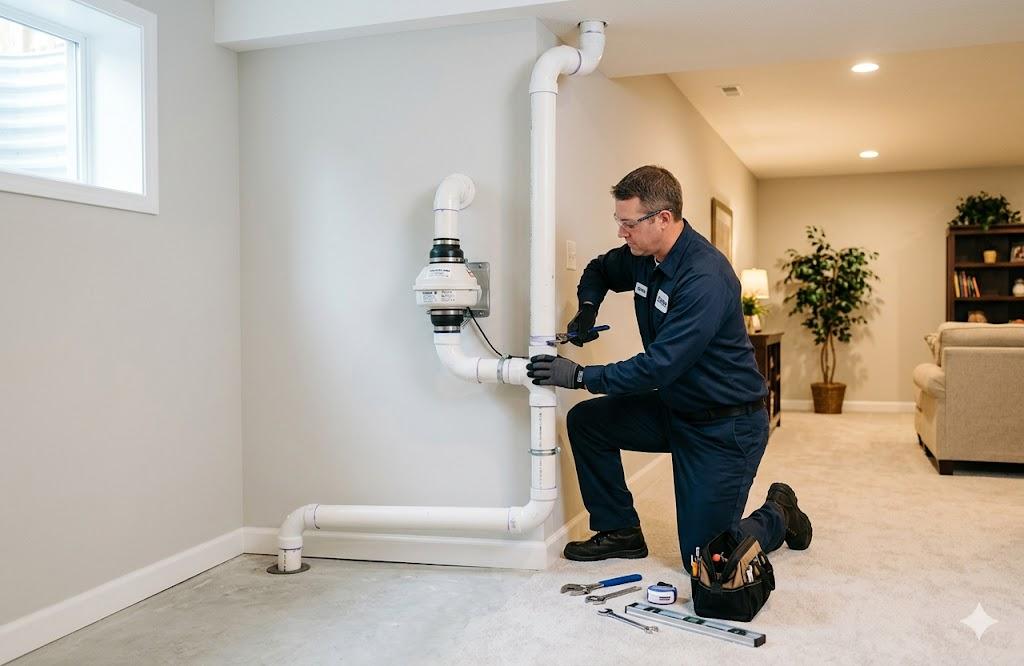
Radon is a naturally occurring radioactive gas that can enter homes and buildings without any visible signs. It has no color, smell, or taste, making it impossible to detect without proper testing. Long-term exposure to elevated radon levels can pose serious health risks, including an increased chance of developing lung cancer. Because of these risks, many homeowners are turning to professional radon mitigation services to create a safer indoor environment.
Radon mitigation services are designed to reduce radon concentrations in homes and commercial properties. These services involve specialized techniques, equipment, and expertise to ensure radon levels remain below recommended safety limits. Understanding how radon mitigation works and why it is important can help property owners make informed decisions about protecting their families and investments.
What Is Radon?
Radon is a radioactive gas produced by the natural breakdown of uranium found in soil, rock, and groundwater. As uranium decomposes, radon gas is released and can move through the ground. It may enter buildings through cracks in foundations, gaps around pipes, floor drains, sump pits, and other openings.
Since radon is invisible and odorless, testing is the only reliable way to determine whether a property has elevated radon levels. High radon concentrations can accumulate indoors, especially in basements and lower levels where ventilation may be limited.
Why Is Radon Dangerous?
The primary concern with radon exposure is its impact on lung health. When radon gas is inhaled, radioactive particles can become trapped in the lungs. Over time, these particles release radiation that may damage lung tissue.
Health experts recognize radon as one of the leading causes of lung cancer among non-smokers. The risk increases with prolonged exposure and higher radon concentrations. Smokers exposed to radon face an even greater risk because the combined effects of smoking and radon significantly increase the likelihood of developing lung cancer.
Because the health effects develop gradually, many homeowners are unaware of the danger until testing reveals elevated radon levels.
What Are Radon Mitigation Services?
Radon mitigation services are professional solutions designed to reduce indoor radon concentrations. Certified mitigation specialists assess the property, identify radon entry points, and install systems that safely redirect radon gas away from the building.
The primary goal of radon mitigation is to lower radon levels to acceptable standards while preventing future accumulation. Every property is unique, so mitigation systems are customized based on the structure, foundation type, and radon test results.
How Do Radon Mitigation Systems Work?
Most radon mitigation systems use a method called sub-slab depressurization. This technique creates lower air pressure beneath the foundation than inside the building, preventing radon from entering living spaces.
The process typically includes:
Installation of Vent Pipes
PVC pipes are installed beneath or through the foundation to collect radon gas from the soil.
Radon Mitigation Fan
A specialized fan creates suction that pulls radon gas from beneath the structure.
Safe Venting
The collected gas is vented above the roofline, where it disperses safely into the atmosphere.
System Monitoring
Many systems include gauges or monitoring devices that help homeowners verify the system is operating correctly.
This proven approach is highly effective and can reduce radon levels significantly in most homes.
Signs You May Need Radon Mitigation Services
While radon itself produces no noticeable symptoms, certain situations indicate the need for professional mitigation.
High Radon Test Results
If testing reveals radon levels above recommended guidelines, mitigation is strongly recommended.
Purchasing a Home
Many buyers include radon testing during the home inspection process. Elevated readings often lead to mitigation before the sale is completed.
Basement Renovations
Converting a basement into living space increases the importance of addressing potential radon issues.
Previous Radon Concerns
Homes located in areas known for elevated radon levels may benefit from proactive mitigation even after initial testing.
Benefits of Professional Radon Mitigation Services
Investing in professional radon mitigation offers numerous advantages.
Improved Health Protection
Lower radon levels reduce the long-term health risks associated with radioactive gas exposure.
Better Indoor Air Quality
Mitigation systems contribute to a safer and healthier indoor environment.
Increased Property Value
Homes with documented radon mitigation systems can be more attractive to buyers.
Compliance With Safety Standards
Professional services help ensure radon levels meet recommended guidelines.
Long-Term Peace of Mind
Knowing your home is protected from elevated radon levels provides confidence for you and your family.
The Radon Mitigation Process
Understanding the mitigation process helps homeowners know what to expect.
Initial Radon Testing
The process begins with accurate testing to determine existing radon levels.
Property Assessment
A mitigation specialist evaluates the foundation, construction type, and potential radon entry points.
System Design
A customized mitigation plan is developed based on the property's specific requirements.
Installation
The mitigation system is installed using industry-approved techniques and materials.
Post-Mitigation Testing
After installation, follow-up testing confirms that radon levels have been successfully reduced.
Choosing the Right Radon Mitigation Company
Selecting a qualified provider is essential for effective results.
Consider the following factors:
- Experience with residential and commercial mitigation projects
- Professional certifications and training
- Positive customer reviews and testimonials
- Clear pricing and detailed estimates
- Warranty options for installed systems
- Comprehensive post-installation testing
Working with experienced professionals helps ensure the mitigation system performs effectively for years to come.
Maintaining Your Radon Mitigation System
A properly installed radon mitigation system requires minimal maintenance. However, homeowners should periodically check system indicators and schedule professional inspections when necessary.
Regular radon testing every few years can verify continued performance and identify any changes that may require attention. Maintaining the system helps ensure ongoing protection against radon exposure.
Common Misconceptions About Radon Mitigation
Radon Only Affects Older Homes
Radon can impact homes of any age, size, or construction type.
Opening Windows Solves the Problem
Temporary ventilation may reduce radon levels briefly, but it does not provide a permanent solution.
Radon Mitigation Is Expensive
Compared to the potential health risks, mitigation is often a cost-effective investment in long-term safety.
Radon Is Rare
Elevated radon levels have been found in homes across many regions, making testing important regardless of location.
Conclusion
Radon is a hidden threat that can affect virtually any home or building. Since it cannot be seen, smelled, or tasted, professional testing is the only way to determine whether elevated levels are present. When high radon concentrations are detected, radon mitigation services provide an effective and proven solution for reducing exposure and improving indoor safety.
By investing in professional radon mitigation, homeowners can protect their families, enhance indoor air quality, and gain confidence that their property is safer for years to come. Whether you are buying a new home, preparing to sell, or simply prioritizing your family's health, radon mitigation is a smart and valuable investment.
Categorias
Leia mais
The global transportation ecosystem is undergoing one of the most profound transformations in modern economic history. Electric vehicles (EVs), once considered a niche alternative to internal combustion engine vehicles, are now at the forefront of automotive innovation and environmental responsibility. While advancements in battery technology, vehicle design, and charging infrastructure are...

Roofing is an important part of any home or building because it protects everything inside from weather damage. In Ontario, roofing companies offer many services to keep roofs strong, safe, and long-lasting. Whether you are a homeowner, a student learning about construction, or someone researching home services, understanding how roofing works is useful. Many people start by contacting a...
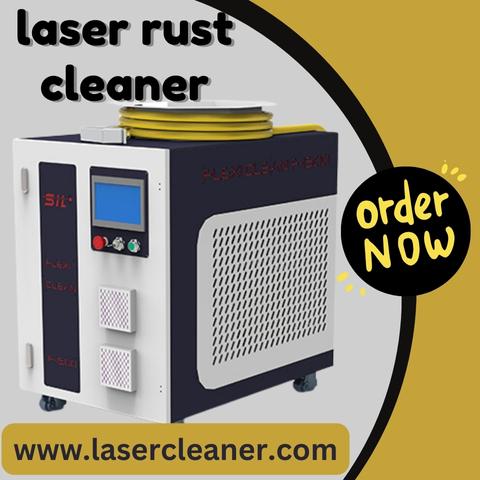
A laser rust cleaner represents a modern breakthrough in surface cleaning and restoration. Designed to remove rust, paint, oil, and contaminants from various materials, this innovative technology uses concentrated laser beams to deliver precise and effective results. Unlike traditional cleaning methods, a laser cleaner operates without chemicals or abrasive materials, making it an advanced...
Hormones are powerful chemical messengers that regulate almost every function in your body. From energy levels to mood, metabolism, sleep, and reproductive health, hormones play a vital role in maintaining overall well-being. When hormone levels are balanced, your body functions smoothly. When they are off, you may experience fatigue, weight changes, mood swings, sleep disturbances, and...

Maintaining excellent oral health is a vital part of overall wellness. A healthy smile not only improves confidence but also contributes to better physical health and quality of life. Regular dental visits, preventive care, and professional treatments all play an important role in protecting teeth and gums from common dental problems. Choosing the right dental professional is one of the most...