


Smart Ways to Cut Costs Using Heavy Equipment Rental
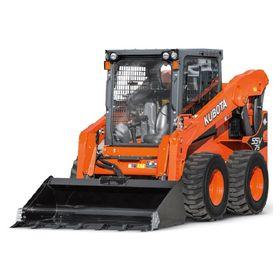
Managing a construction project often comes down to one thing: keeping costs under control without cutting corners. For many contractors, project managers, and small business owners, the decision to rent rather than buy heavy machinery has become the financially smart move. The upfront investment in purchasing equipment is significant, and when you factor in maintenance, storage, insurance, and depreciation, the numbers rarely work in favor of ownership — especially for short-term or specialized projects.
Renting gives you access to the machinery you need, exactly when you need it, without the long-term financial burden. Whether you are working on a road project, a commercial building, or a land-clearing job, the right heavy equipment rental strategy can free up capital and reduce project overhead considerably.
Understanding the True Cost of Equipment Ownership
Purchase Price Is Just the Beginning
When contractors calculate the cost of ownership, many forget to include the indirect costs. A machine that costs $200,000 to purchase may require an additional $20,000–$40,000 annually in maintenance, parts, operator training, and scheduled servicing. Add insurance premiums and the cost of secure storage between jobs, and the per-project cost of using owned equipment often exceeds rental rates.
Depreciation Hits Hard in Construction
Heavy machinery depreciates quickly. Exposure to dust, heavy loads, and rough terrain accelerates wear. A machine that held strong value in its first year may lose 20–30% of its resale value within three years, depending on usage. Renting sidesteps this entirely — you use the equipment, return it, and move on without worrying about residual asset value.
Flexibility That Matches Project Demands
Scale Up or Down Without Penalty
Construction projects rarely follow a perfect schedule. You might need three excavators for the first two weeks and only one for the remainder of the project. With rental, you can scale your fleet to match actual site needs. There is no idle machinery sitting on-site burning through your budget.
Access to Specialized Machinery
Not every project calls for the same equipment. A drainage project may require a compact track loader, while a foundation dig needs full-scale excavation power. Rental providers maintain diverse fleets that include specialized machines rarely worth purchasing outright. Accessing excavators rental for a specific phase of a project, then returning the machine once that phase is complete, is a textbook example of cost-efficient site management.
How Rental Reduces Administrative Burden
No More Maintenance Headaches
When you own equipment, you are also responsible for keeping it running. That means hiring mechanics, sourcing parts, scheduling downtime for servicing, and managing compliance with safety certifications. Rental agreements typically include maintenance and breakdown coverage, shifting that responsibility entirely to the rental provider.
Simplified Tax and Accounting
Rental expenses are generally treated as operating costs, which can simplify accounting significantly. Ownership, by contrast, requires tracking depreciation schedules and managing asset registers. For smaller companies, this administrative simplicity alone can justify the rental approach.
Making the Right Choice for Your Next Project
Evaluate Project Duration and Frequency
A general rule of thumb is: if you need a machine for fewer than 60–70% of your working days in a year, rental is almost certainly more cost-effective than ownership. For periodic projects, seasonal work, or one-off contracts, rental delivers full capability without permanent financial commitment.
Partner With a Reliable Rental Provider
The quality of your rental experience depends heavily on the provider. Look for companies that maintain modern, well-serviced fleets, offer flexible rental terms, and provide responsive support in case of equipment issues on-site. A reputable rental partner can also offer guidance on equipment selection, helping you choose the right machine for your specific application.
Ultimately, renting heavy machinery is not just a workaround for companies that cannot afford to buy — it is a deliberate, strategic choice that improves cash flow, reduces risk, and keeps projects lean. For any contractor serious about profitability, building a smart rental strategy into project planning is no longer optional — it is essential.
الأقسام
إقرأ المزيد
The construction industry continues to change as new technologies enter the market. One standout innovation is wolfpack 3d printing, which brings speed, accuracy, and cost savings to large-scale building projects. At the center of this shift is the Scara Model T, a powerful solution designed for modern construction needs. Builders in the United States now look for smarter ways to complete...
To face looming threats, assembling powerful heroes is essential. In the initial weeks after founding a new state in Kingshot, the War Preparation event occurs intermittently. Participants accumulate points by accelerating troop training and promotions using speedups, or by enhancing mythic gear with forgehammers. This event spans a full two days, providing ample opportunity to achieve your...

William Wagner plays football. He is a long snapper. He plays for a big team. His team goes to work every day. Wagner tries his best. He wants to be great. The new year brings fresh hopes. Now he starts his second year. We will watch the Cincinnati Bengals Vs Atlanta Falcons game soon. Buy your Cincinnati Bengals Vs Atlanta Falcons Tickets today and experience the ultimate high-speed...

The Generative AI in Music Market is on the brink of exponential expansion, with projections indicating a remarkable market size of approximately $22.67 billion by 2035. A robust growth forecast of 22.72% CAGR reflects this sector's dynamic response to technological innovations and shifting consumer preferences. This surge can be attributed to the rising integration of artificial intelligence...

According to the latest report published by Data Bridge Market Research, the Transaction Monitoring Market Global transaction monitoring market size was valued at USD 20.90 billion in 2024 and is projected to reach USD 65.10 billion by 2032, with a CAGR of 15.26% during the forecast period of 2025 to 2032 The reliable Transaction Monitoring Market research report includes a...
