


Why Some Foot Ulcers Never Heal: Common Mistakes in Diabetic Ulcers on Feet Treatment
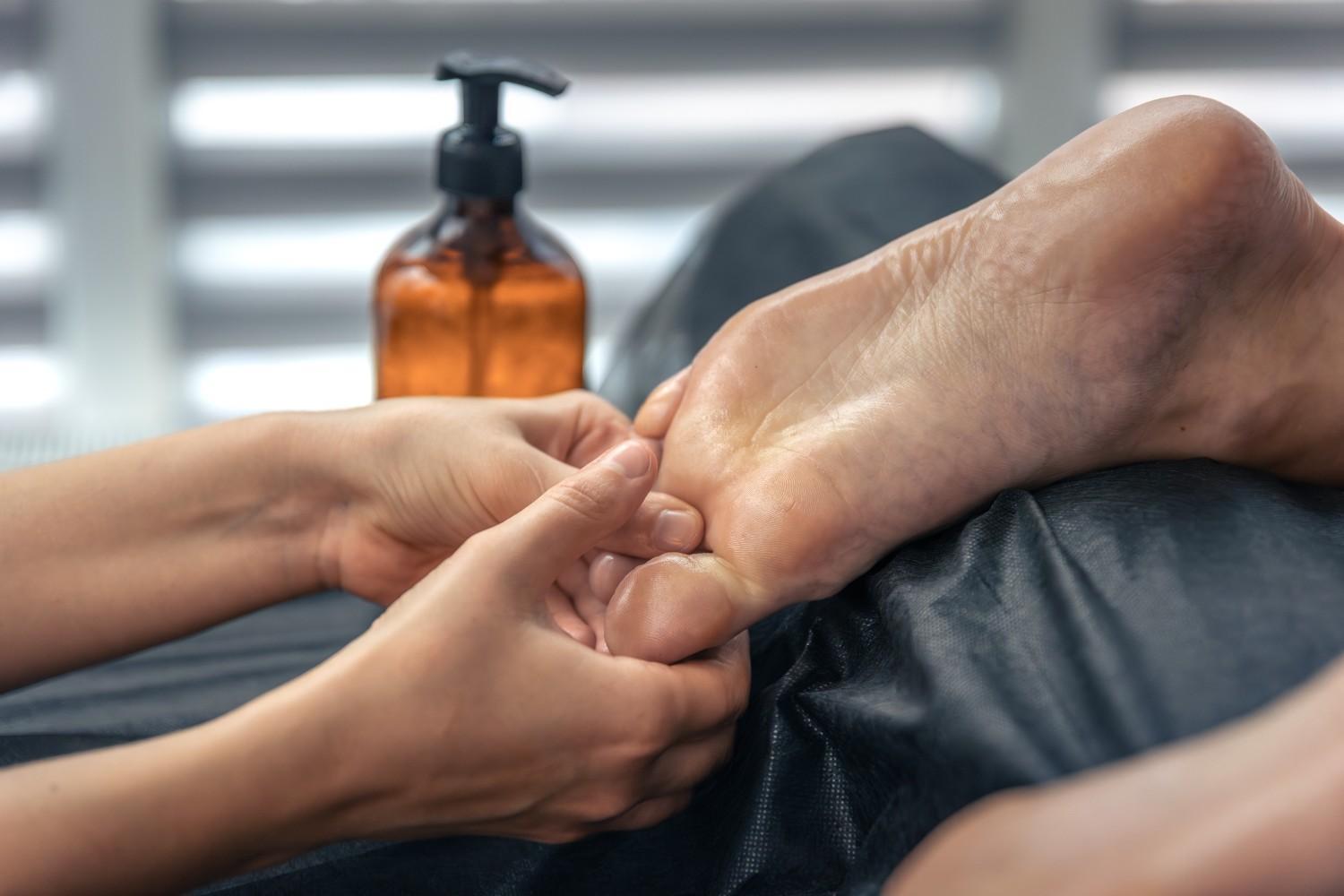
One of the most frustrating experiences for individuals living with diabetes is dealing with a foot ulcer that refuses to heal. Weeks may turn into months, and despite efforts to care for the wound, progress seems slow or nonexistent. This often leads patients to wonder why recovery is taking so long.
The reality is that wound healing is influenced by multiple factors. While diabetes itself can slow recovery, many healing delays are linked to avoidable mistakes. Understanding these common errors can help patients improve outcomes and support successful diabetic ulcers on feet treatment.
Why Healing Can Be Challenging
The body naturally repairs damaged tissue through a complex healing process. However, diabetes can interfere with this process in several ways.
Common challenges include:
-
Reduced blood circulation
-
Nerve damage
-
Increased infection risk
-
Blood sugar fluctuations
-
Pressure on the affected area
These factors make proper care especially important.
Even a small mistake repeated consistently can significantly delay healing.
Mistake 1: Ignoring Early Warning Signs
Many people wait until an ulcer becomes severe before seeking help.
Early signs often include:
-
Redness
-
Skin breakdown
-
Persistent irritation
-
Swelling
-
Small wounds that do not improve
Ignoring these symptoms allows the condition to progress and makes diabetic ulcers on feet treatment more difficult.
Prompt action is always preferable to waiting for the problem to worsen.
Mistake 2: Assuming the Wound Will Heal on Its Own
One of the most common misconceptions is believing that a diabetic foot ulcer will heal naturally without intervention.
Unlike ordinary cuts or scrapes, diabetic ulcers often face additional barriers such as:
-
Poor circulation
-
Reduced sensation
-
Delayed tissue repair
Waiting for spontaneous healing can increase the likelihood of complications.
Mistake 3: Walking Too Much on the Affected Foot
Pressure is one of the biggest obstacles to wound healing.
Many patients continue their normal walking routines despite having an ulcer.
This can result in:
-
Ongoing tissue damage
-
Increased wound size
-
Delayed healing
-
Additional inflammation
Reducing pressure is a critical component of successful diabetic ulcers on feet treatment.
Mistake 4: Wearing Improper Footwear
Footwear plays a major role in both ulcer development and recovery.
Poor shoe choices may create:
-
Friction
-
Pressure points
-
Skin irritation
-
Repeated injury
Common footwear mistakes include:
-
Tight shoes
-
Loose-fitting shoes
-
Worn-out footwear
-
Walking barefoot
Choosing supportive footwear can significantly improve healing conditions.
Mistake 5: Poor Blood Sugar Management
Blood sugar levels have a direct impact on wound healing.
When glucose levels remain elevated, the body may struggle to:
-
Fight infection
-
Repair tissue
-
Maintain healthy circulation
Stable blood sugar management supports faster recovery and better overall outcomes.
Many patients focus solely on the wound while overlooking this essential aspect of care.
Mistake 6: Inconsistent Wound Care
Healing requires consistency.
Occasional wound care is often not enough to support recovery.
Common examples of inconsistency include:
-
Skipping cleaning routines
-
Forgetting dressing changes
-
Ignoring monitoring recommendations
-
Neglecting daily inspections
Regular attention helps create an environment that supports healing.
Mistake 7: Failing to Monitor Progress
Some individuals assume that if the wound is not causing pain, it must be improving.
However, diabetic neuropathy can reduce sensation and mask worsening symptoms.
Monitoring should include:
-
Wound size
-
Skin color changes
-
Drainage
-
Swelling
-
Overall appearance
Tracking these indicators helps evaluate whether diabetic ulcers on feet treatment is working effectively.
Mistake 8: Overlooking Signs of Infection
Infections are one of the most common reasons ulcers fail to heal.
Early warning signs may include:
-
Redness
-
Increased warmth
-
Swelling
-
Drainage
-
Unpleasant odor
Ignoring these symptoms allows infection to progress and interfere with recovery.
Recognizing problems early can help prevent more serious complications.
Mistake 9: Delaying Professional Evaluation
Many patients attempt self-care for extended periods before seeking professional advice.
While basic foot care is important, some ulcers require closer evaluation.
Delays can result in:
-
Larger wounds
-
Slower recovery
-
Increased risk of complications
-
More intensive treatment needs
Seeking guidance early often leads to better outcomes.
Mistake 10: Not Checking Feet Daily
Daily foot inspections are among the simplest yet most effective prevention strategies.
Unfortunately, many individuals overlook this habit.
Regular inspections can help identify:
-
New wounds
-
Pressure areas
-
Blisters
-
Skin changes
-
Early ulcer formation
Early detection supports timely diabetic ulcers on feet treatment.
Mistake 11: Neglecting Nutrition
Nutrition plays an important role in tissue repair.
The body requires adequate nutrients to:
-
Build new tissue
-
Support immune function
-
Maintain healthy skin
Poor dietary habits may slow recovery and reduce healing efficiency.
A balanced diet supports the body's natural repair processes.
Mistake 12: Expecting Instant Results
Healing often takes longer than patients expect.
Many individuals become discouraged when improvements are gradual.
The recovery process depends on:
-
Ulcer severity
-
Circulation quality
-
Blood sugar control
-
Consistency of care
-
Overall health
Patience is essential for successful treatment.
Mistake 13: Stopping Care Too Early
Visible improvement does not necessarily mean healing is complete.
Some patients stop caring for the wound as soon as it appears better.
This can increase the risk of:
-
Reopening the wound
-
Delayed recovery
-
Recurrence
Continuing proper care until complete healing is important.
The Importance of a Holistic Approach
Successful diabetic ulcers on feet treatment involves more than addressing the wound itself.
A comprehensive approach includes:
-
Blood sugar management
-
Foot protection
-
Healthy lifestyle habits
-
Daily monitoring
-
Proper wound care
Focusing on all contributing factors improves healing potential.
Building Better Healing Habits
Small daily habits can have a significant impact on recovery.
Helpful practices include:
Daily Foot Inspections
Checking the feet regularly helps identify changes early.
Wearing Protective Footwear
Supportive shoes reduce pressure and injury risk.
Staying Hydrated
Hydration supports healthy circulation and tissue repair.
Following Care Instructions Consistently
Consistency is one of the most important predictors of healing success.
Monitoring Blood Sugar
Stable glucose levels help support recovery.
These habits create a stronger foundation for long-term foot health.
How Prevention Supports Healing
Preventive care is often viewed as something that happens after recovery, but prevention also plays a role during treatment.
Preventive measures help:
-
Reduce new injuries
-
Minimize pressure
-
Prevent infection
-
Support healthy skin
Combining treatment and prevention often leads to better outcomes.
Conclusion
When a diabetic foot ulcer fails to heal, the cause is often linked to a combination of diabetes-related challenges and avoidable mistakes. Delayed action, poor blood sugar control, excessive pressure, inconsistent wound care, and overlooking warning signs can all interfere with recovery. Understanding these common errors empowers patients to take a more proactive role in their health. By avoiding these mistakes and following a consistent care routine, individuals can improve the effectiveness of diabetic ulcers on feet treatment, support faster healing, and reduce the risk of future complications.
FAQs
Why do some diabetic foot ulcers take months to heal?
Healing time depends on factors such as circulation, blood sugar control, ulcer severity, infection risk, and consistency of care.
Can walking slow the healing process?
Yes. Excessive pressure on the affected area can delay recovery and worsen tissue damage.
How important is blood sugar control during treatment?
Blood sugar management is extremely important because it directly affects healing and immune function.
What are the signs that a foot ulcer is not healing properly?
Persistent redness, swelling, drainage, increasing size, and delayed improvement may indicate healing problems.
Why should feet be inspected daily?
Daily inspections help identify new wounds and detect complications before they become severe.
Can poor nutrition affect wound healing?
Yes. The body requires adequate nutrients to support tissue repair and recovery.
What is the biggest mistake people make during diabetic ulcers on feet treatment?
One of the most common mistakes is delaying care and assuming the wound will heal without proper attention.
Catégories
Lire la suite
Executive Summary Middle East and Africa Bioactive Ingredient Market Size and Share: Global Industry Snapshot CAGR Value The Middle East and Africa bioactive ingredient market size was valued at USD 3.55 billion in 2025 and is expected to reach USD 6.01 billion by 2033, at a CAGR of 6.80% during the forecast period This Middle East and Africa Bioactive Ingredient Market report...

Liz Garbus Takes First Narrative Feature to Netflix with "Lost Girls" Acclaimed documentary filmmaker Liz Garbus is venturing into narrative filmmaking with "Lost Girls," a true-crime adaptation that has found its home at Netflix. The streaming giant recently acquired the project, which is based on Robert Kolker's award-winning non-fiction book. Oscar nominee Amy Ryan has been tapped to lead...

The skincare segment is increasingly defined by evolving consumer demands and sustainability considerations. Natural ingredients, vegan formulations, and eco-friendly packaging are emerging as primary factors shaping purchasing behavior. Social media and influencer-driven marketing continue to influence product adoption, leading to rapid changes in market preferences. Current Facial Cleanser...

Chemhivers is pleased to provide premium Buy 5CL-ADBA, a research chemical designed to satisfy the exacting requirements of contemporary laboratories. 5CL-ADBA is frequently utilized in controlled research settings because of its reputation for uniformity, stability, and purity. Our goal at Chemhivers is to provide products that enable reliable experimental results and precise analysis. Every...
As per Market Research Future, the global Power plant O&M services market is witnessing significant growth, driven by the increasing demand for reliable energy production and efficient plant operations. Operation and Maintenance (O&M) services play a pivotal role in ensuring that power plants operate at optimal performance levels, maintain regulatory compliance, and extend the lifespan...