


Rice Cake Popping Machine Infrastructure Story: How A 65 kg Countertop Popper Is Turning Rice Into A Quantified Snack Factory
Rice Cake Popping Machine Market A small snack counter can become a measurable grain-processing unit with one Rice cake popping machine, one trained operator, 6–10 square feet of working space, and 220V electricity. That is the infrastructure story behind this category. A traditional fried snack stall usually needs oil storage, exhaust handling, frying pans, cooling trays, and disposal space; a grain-popping setup reduces that into heat, pressure, molds, raw rice preparation, and primary packaging. When a compact unit produces 360–480 cakes per hour, an 8-hour shift creates 2,880–3,840 pieces. At a retail selling range of ₹10–₹25 per cake depending on size, coating, flavoring, and location, one machine can convert 25–45 kg of grain-based input into a visible daily revenue counter rather than a back-end processing asset.
Semple Request At: https://datavagyanik.com/reports/global-rice-cake-popping-machine-market/
The Rice cake popping machine sits at the intersection of three measurable food trends: oil-free snacking, local grain monetization, and live food theatre. In practical terms, the machine is not just bought by factories. It is bought by bakery shops, nutrition snack brands, mall kiosks, school canteen suppliers, millet processors, rice mills, small cafes, and contract snack manufacturers. A 70 kg machine with a 1.2–1.5 kW heating load can fit into a cart-format operation, while a 3.5–5 kW industrial unit can serve a dedicated snack line. This changes the adoption logic. A food entrepreneur does not need a 2,000 square foot plant to enter the puffed snack category; in many cases, a 100–200 square foot back-room plus front-end display counter is enough.
Technically, the Rice cake popping machine works on a simple but precise principle: controlled heat, pressure, moisture, and sudden expansion. Rice, artificial rice pellets, corn, wheat, millet, or blended grains are fed into molds. The heated chamber raises internal grain moisture into steam pressure. When the mold opens, the grain expands instantly into a round, square, triangular, or chip-like structure. The typical heater temperature can reach up to 350–400°C in commercial units, while the popping cycle can range from 8–15 seconds depending on mold size, grain moisture, and desired thickness. This is why the machine is infrastructure-light but process-sensitive. A 2% change in grain moisture can affect expansion, breakage, and surface texture.
The use-case map of the Rice cake popping machine starts with four product formats. The first is the plain health snack: 80–150 mm round cakes sold as low-oil, gluten-free, or calorie-controlled packs. The second is the coated snack: chocolate, jaggery, cheese, peri-peri, caramel, seed mix, or peanut butter toppings added after popping. The third is the chip format: smaller 40–60 mm pieces packed as crunchy snacks. The fourth is the local grain format, where rice is replaced or blended with millets, sorghum, quinoa-style grains, or multigrain pellets. A single mold change can shift the product from a 150 mm large cake to a multi-cavity small chip format, increasing piece count from 420 pieces per hour to 2,000+ pieces per hour in selected multi-mold configurations.
DataVagyanik estimates the global Rice cake popping machine market size at USD 184.7 million in 2026, with the market forecast to reach USD 312.4 million by 2032, expanding at a CAGR of 9.2% during 2026–2032. The forecast is anchored in three quantified demand streams: compact snack machinery adoption by small food businesses, replacement demand from semi-manual puffing equipment, and the conversion of rice, millet, and cereal processors into branded ready-to-eat snack manufacturers. In unit terms, the 2026 opportunity is led by Asia, where rice-processing density, small-format food retail, and kiosk-based snack consumption create the highest machine turnover.
The infrastructure requirement is modest but not casual. A Rice cake popping machine needs stable power, calibrated heating, a grain-moisture preparation area, packaging table, storage bins, and food-grade handling. For a kiosk model, the minimum operating stack includes the machine, 15–25 kg daily grain inventory, 500–1,000 packaging pouches, one sealing machine, one weighing scale, and one display shelf. This can be arranged within ₹1.5–₹8 lakh for a small-format setup depending on machine quality, mold options, and branding. For a factory model producing 25,000–60,000 pieces per day, the investment shifts toward multiple machines, conveyors, seasoning drums, cooling tunnels, nitrogen flushing, automated pouch packing, and quality testing.
The strongest application mapping is visible in Asia’s rice belt. India, China, South Korea, Thailand, Vietnam, Indonesia, and Japan together process hundreds of millions of tonnes of rice annually, but only a small share enters modern branded puffed cake formats. This creates a quantifiable conversion opportunity. Even if 0.01% of annual milled rice consumption in a large rice-consuming country is diverted into popped cakes, that can support thousands of small machines because one compact unit consumes only a few tonnes of grain annually. The Rice cake popping machine therefore turns an abundant staple into a shelf-stable snack with a higher rupee-per-kilogram realization.
From a business model perspective, the machine creates three revenue layers. The first layer is live retail, where the popping sound and visible expansion increase impulse purchase. A kiosk selling 500 cakes per day at ₹15 average selling price generates ₹7,500 gross daily sales. The second layer is packaged retail, where 4–8 cakes are packed into ₹40–₹120 packs for supermarkets, gyms, pharmacies, and online marketplaces. The third layer is B2B supply, where cafes, dieticians, school vendors, and corporate pantry suppliers buy unflavored cakes in bulk. This is why the Rice cake popping machine has a stronger use-case spread than many single-purpose snack machines.
The technical advantage is energy intensity. A 1.3 kW compact machine running 8 hours consumes about 10.4 kWh per day. At ₹8 per kWh, energy cost is around ₹83 daily. If the same machine produces 3,000 cakes per shift, electricity cost is less than ₹0.03 per cake before downtime and heating losses. Even if the effective cost rises to ₹0.07–₹0.10 per piece after idle heating and repeated cycling, it remains lower than oil-fried snack energy and oil replenishment costs. This makes the Rice cake popping machine attractive in markets where edible oil price volatility affects snack margins.
The adoption story also links to packaging infrastructure. A plain rice cake has low moisture and low oil content, which means longer shelf life than fresh bakery snacks but higher breakage sensitivity than dense biscuits. For small producers, transparent pouches and heat sealing are sufficient for same-day or weekly sales. For regional brands, laminated packs, nitrogen flushing, corrugated cartons, and anti-crush tray design become necessary. If 1,000 cakes are packed in 5-cake units, only 200 retail packs are created. At 20 working days per month, a single machine can create 4,000 retail packs, enough to supply 40 stores at 100 packs per store per month.
Manufacturers and buyers are also shaping the product through molds. The Rice cake popping machine is no longer limited to plain round cakes. Square molds support sandwich-style products. Small chip molds support seasoning-led snack packs. Logo molds support tourism, temple towns, local specialty stores, and children’s snack formats. A mold costing only a fraction of the main machine can create a new SKU, which means the capex-to-product-variation ratio is favorable. For a food brand, one base machine with 3–5 molds can support 10–15 commercial SKUs when toppings, grains, and pack sizes are combined.
The most important theme is decentralization. Large snack factories still dominate mass distribution, but the Rice cake popping machine allows rice-processing value addition to move closer to the consumer. A rice mill can add a small popping unit and sell branded cakes in nearby towns. A millet farmer-producer organization can convert grain into higher-margin snacks instead of selling raw grain. A bakery can introduce a low-oil aisle without installing a frying line. A gym café can sell protein-coated rice cakes without building a full food plant. In each case, the machine compresses the distance between grain, processing, branding, and consumption.
For 2026, the quantified infrastructure signal is clear: the winning buyer is not the largest factory, but the operator that combines machine utilization, mold variety, raw material consistency, and packaging discipline. A Rice cake popping machine that runs only 2 hours daily is a novelty asset. The same machine running 7–8 hours daily with 3 SKUs, 2 pack sizes, and 4 sales channels becomes a snack manufacturing node. That is why this market should be read less as a machine category and more as a small-format food infrastructure story built around pressure, grain, and repeatable margins.
Why The Rice Cake Popping Machine Is Becoming A Local Grain Monetization Tool
The deeper infrastructure story begins before the grain enters the mold. A Rice cake popping machine performs well only when the raw material has predictable size, moisture, starch behavior, and cleanliness. For rice-based production, operators usually need cleaned grains, controlled soaking or conditioning, draining, and pre-drying depending on the recipe. In a small unit, this may mean 2 plastic bins, 1 drying tray, 1 moisture-checking routine, and 1 daily cleaning cycle. In a larger unit, it means a mini grain-preparation line with sieving, metal detection, moisture control, and batch coding. The machine may be compact, but the quality system around it decides whether the output becomes a street snack or a repeatable branded product.
A Rice cake popping machine also changes the economics of broken rice. In many rice-processing systems, broken rice sells at a discount to whole grain because appearance matters in table rice. Snack conversion reduces this appearance penalty. If broken rice, rice grits, or processed rice pellets are converted into popped cakes, the value chain shifts from commodity pricing to product pricing. A grain that may sell in bulk at a low per-kg realization can become 80–150 mm cakes, chip snacks, or coated premium products. The value multiplier is created not by the grain alone, but by expansion, portioning, packaging, and branding.
This is where use-case quantification becomes important. A 100 gram serving of traditional fried snacks can carry 500–550 calories depending on oil uptake, while a plain rice cake serving of 20–30 grams is often positioned at 75–120 calories before toppings. That calorie gap is the commercial language used by diet snack brands, gym cafés, diabetic-friendly snack sellers, and school snack suppliers. A Rice cake popping machine gives these businesses a way to turn calorie control into a visible manufacturing story. The consumer sees the cake expand. The seller explains that there is no deep frying. The pack communicates grams, calories, and grain identity.
For school and institutional channels, the numbers are even sharper. A school with 1,000 students requires 1,000–3,000 snack portions per day if only 1–3 pieces are served per student. One compact Rice cake popping machine can support a small school canteen if used for limited daily batches, while 2–4 machines can support a local supplier serving multiple schools. The appeal is operational: no large oil inventory, less smoke, simpler waste handling, and portion consistency. Institutions do not only buy taste; they buy repeatability, hygiene visibility, and predictable serving cost. This makes the machine relevant beyond premium health stores.
The food-service use case is also expanding. Cafés use large rice cakes as carriers for avocado, peanut butter, banana, honey, cottage cheese, hummus, or chocolate spreads. Bakeries use them as crunchy bases for coated products. Sweet shops can add jaggery, sesame, peanut, coconut, or chocolate layers. Convenience stores can sell single cakes near billing counters. A Rice cake popping machine therefore creates both a product and a platform. The plain cake is the base infrastructure; the margin is built through toppings, seasonings, pack design, and local flavor logic.
In small-format retail, machine payback depends on utilization. Suppose a seller produces 2,500 cakes daily and sells 70% directly at ₹15 per piece while the remaining 30% goes into wholesale packs at ₹7–₹9 per piece. Daily blended revenue can cross ₹25,000–₹30,000 before deducting grain, packaging, rent, labor, electricity, wastage, and platform fees. Even if net operating margin is only 18–25%, the machine becomes attractive because the capex is lower than many bakery ovens, frying systems, or automated snack extruders. This is why the Rice cake popping machine often enters the market through entrepreneurs rather than only industrial food companies.
At the factory scale, the calculation changes from piece margin to line efficiency. A larger processor may run 8–16 hours per day, attach automatic feeding, cooling, coating, weighing, and packing equipment, and sell through distributors. Here, the Rice cake popping machine becomes one node in a production line. If one industrial line produces 50,000 pieces daily and packs them into 5-piece retail units, it creates 10,000 packs per day. At 24 working days per month, that equals 240,000 packs. Such volume requires carton storage, batch traceability, barcode systems, distributor dispatch, and complaint-handling infrastructure. The machine is only the visible centre; the real business is a controlled snack supply chain.
The manufacturer ecosystem reflects this split between compact and industrial demand. Asian suppliers dominate the lower and mid-capacity segment because rice-based snacks are already embedded in local consumption. South Korean, Chinese, Indian, Taiwanese, and Southeast Asian machinery makers supply machines with different mold systems, heating arrangements, pneumatic controls, and output capacities. European and Japanese buyers typically demand stronger compliance, stainless-steel contact parts, food-grade surfaces, energy stability, and safety shielding. In price-sensitive markets, buyers compare output per hour and machine price. In export-oriented factories, buyers compare uptime, spares, service, documentation, and food safety compatibility.
The Rice cake popping machine also has a maintenance story that many buyers underestimate. Heating plates, springs, pressure mechanisms, mold surfaces, temperature sensors, control boards, and pneumatic parts face repeated thermal cycling. A machine producing 3,000 cakes per day and operating 25 days per month completes about 75,000 production cycles monthly if one cycle produces one cake, or far higher output in multi-mold formats. Over 12 months, this can mean nearly 900,000 cycles. That workload makes preventive maintenance essential. Operators that clean molds daily, calibrate temperature weekly, and check pressure mechanisms monthly get more consistent output than those treating the machine like a plug-and-play appliance.
The technical constraints are measurable. If the grain is too dry, expansion may be weak and cracking may increase. If moisture is too high, cakes may deform, stick, or become chewy. If the mold temperature is inconsistent, one side may brown while the other remains pale. If pressure release is uneven, cakes can warp. If cooling is poor, packaged cakes may soften. A Rice cake popping machine therefore needs standard operating procedures: raw material batch weight, grain conditioning time, mold temperature, cycle time, cooling time, rejection criteria, and packaging window. These controls convert a snack idea into a repeatable production system.
There is also a sustainability angle, but it must be quantified rather than romanticized. Compared with fried snacks, popped cakes can reduce edible oil use significantly because the base product does not require frying. For a small unit producing 3,000 plain cakes per day, avoiding even 8–12 kg of daily frying oil use creates 200–300 kg monthly oil avoidance over 25 production days. This affects purchase cost, storage risk, waste handling, and cleaning load. The energy load remains, but electricity is easier to meter and optimize than oil absorption. This gives the Rice cake popping machine a cleaner operating profile for health-positioned and institutional channels.
The packaging sustainability question is more complex. Plain rice cakes are light but bulky and fragile. A 100 gram pack may occupy more shelf volume than dense snacks. This increases carton space, transport volume, and breakage risk. Brands using a Rice cake popping machine must therefore choose between thin flexible packs, rigid trays, paperboard sleeves, or multi-layer protective packaging. A low-cost pouch reduces material cost but may increase breakage. A tray reduces breakage but increases packaging cost. For e-commerce, anti-crush protection becomes mandatory because courier handling can damage brittle products. Packaging, not popping, often becomes the hidden margin variable.
Regionally, adoption follows food habit logic. In East Asia, rice cakes already have cultural familiarity, so machine adoption aligns with modern retail and convenience packaging. In India, the opportunity is tied to rice plus millet, especially after millet promotion increased consumer awareness of ragi, jowar, bajra, and multi-grain snacks. In North America and Europe, rice cakes are positioned more as diet, gluten-free, organic, vegan, and clean-label snacks. In the Middle East, premium café formats and imported health snacks create niche opportunities. In Africa, rice-growing countries can use the Rice cake popping machine for local value addition, but affordability, distribution, and packaging access remain constraints.
A strong adoption trigger is the rise of small food brands selling through marketplaces. A homegrown snack brand does not need national supermarket access on day one. It can start with 3 SKUs, 500–1,000 packs per week, social media selling, gym partnerships, and local retail. The Rice cake popping machine fits this staged growth model because production can begin with one unit and expand machine-by-machine. This is different from extrusion lines, which often require larger batch economics. Popping machinery lets entrepreneurs test flavor, packaging, and customer response before committing to larger plant infrastructure.
The investment timeline usually follows four stages. Stage one is experimentation, where the buyer uses one machine, 1–2 molds, and 2–3 flavors. Stage two is local commercialization, where daily production crosses 2,000–5,000 cakes and packaging becomes standardized. Stage three is channel expansion, where the brand enters supermarkets, cafés, schools, or online platforms and needs batch coding, better sealing, and inventory discipline. Stage four is industrial scaling, where multiple Rice cake popping machine units are linked with coating, cooling, and packing systems. Each stage adds infrastructure, but the machine remains the core conversion point.
By 2026, the category is moving from “novel snack equipment” to “distributed cereal-processing infrastructure.” This matters because the machine allows value addition in places where full-scale snack plants are not viable. A district-level rice mill, a women-led self-help group, a bakery chain, a nutrition start-up, or a canteen operator can all use the same basic technology with different commercial models. The Rice cake popping machine is not only making cakes; it is creating a low-capex bridge between agricultural surplus and modern snack consumption.
The final commercial lesson is that success is not determined by buying the highest-output model. It is determined by matching capacity with selling channels. A machine producing 500 cakes per hour is sufficient for a live counter but too small for regional retail. A line producing 50,000 cakes per day is efficient only if distribution can absorb that volume. Between these two extremes lies the most active market: operators producing 3,000–15,000 pieces per day, using 2–4 molds, and selling through a mix of fresh retail, packaged local stores, institutional buyers, and online orders. That middle layer is where the Rice cake popping machine becomes both practical and profitable.
In the coming years, the winning products will not be plain rice cakes alone. They will be region-specific formats: jaggery-sesame cakes in India, seaweed-rice snacks in East Asia, chocolate-coated protein cakes in urban gyms, school-safe low-oil snacks in institutions, and millet-rice blends for health retail. The machine provides the heat and pressure, but the market rewards local taste design. That is why the Rice cake popping machine should be viewed as a flexible grain monetization asset rather than a single-product appliance. Its infrastructure footprint is small, but its application map is wide enough to connect farmers, millers, machinery suppliers, retailers, and health-conscious consumers into one measurable snack economy.
Semple Request At: https://datavagyanik.com/reports/global-rice-cake-popping-machine-market/
الأقسام
إقرأ المزيد
In the field of structural engineering and high-rise construction, the durability of any Reinforced Cement Concrete (RCC) structure depends on the symbiotic relationship between concrete and steel. While concrete offers exceptional compressive strength, it is inherently brittle and performs poorly under tensile, shear, and bending forces. To absorb these structural stresses, engineers introduce...

Bilona ghee is a premium form of traditional Indian ghee prepared using the age-old bilona method, where curd made from desi cow milk is hand-churned to extract butter and then slowly heated to produce pure, aromatic ghee. This natural and time-honored process helps preserve essential nutrients, beneficial fatty acids, and the authentic flavor that sets bilona ghee apart from regular...

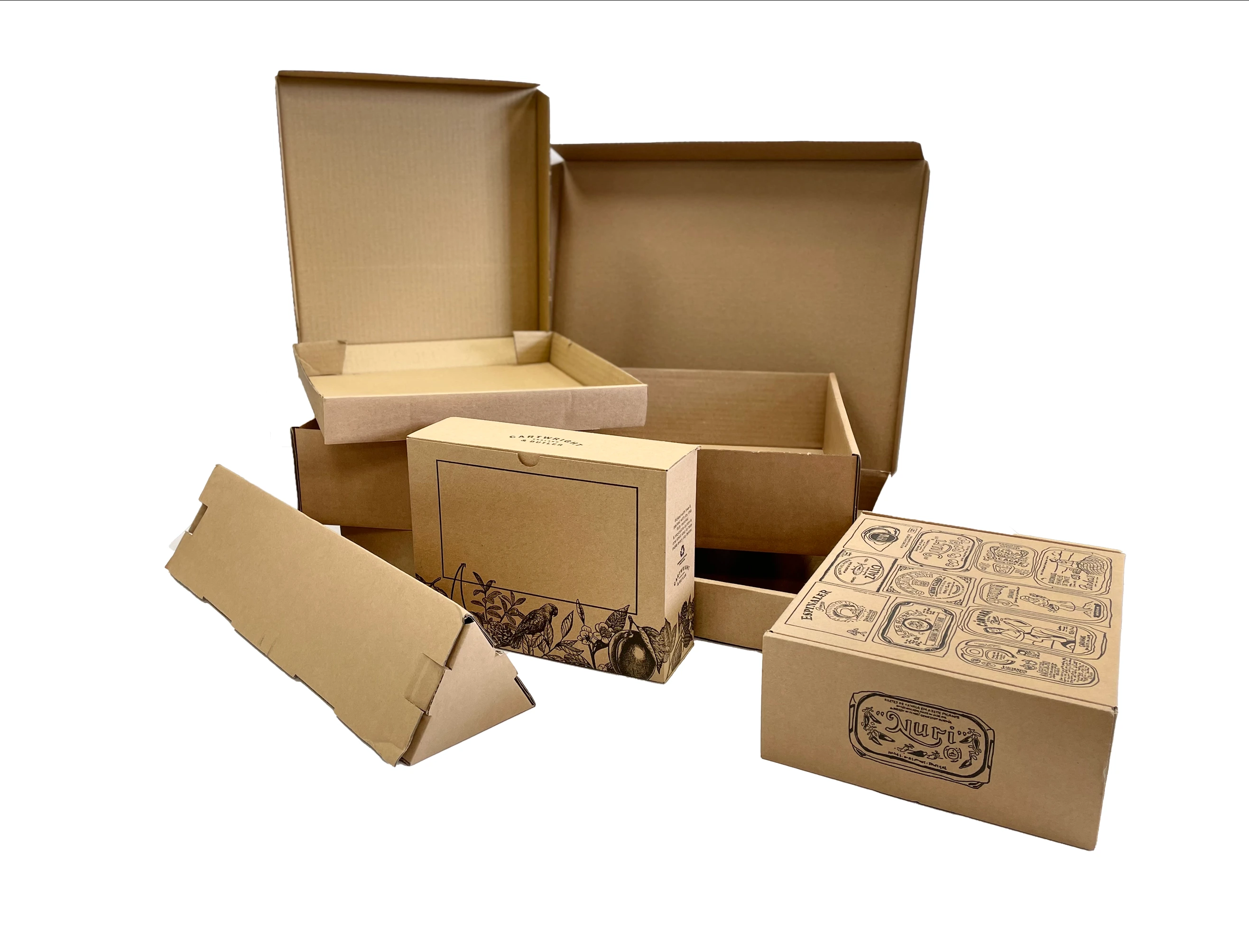
However, packaging has become a key-factor for business survival. It does not only keep your products safe; it also leaves an everlasting impression of your brand on customers. It can help you to establish your business as a professional and trusted business- whether you run a food outlet, retail shop or eCommerce store. More and more companies within custom box packaging Leeds are adopting...
Website design in Cancun plays an important role in aiding businesses establish a professional presence in one of Mexico's most recognized tourism destinations. From hotels, restaurants, travel agencies, and tour operators to local retailers, professional services, and creative businesses, a well-designed website can provide visitors with a definite comprehension of exactly what a company...

" According to the latest report published by Data Bridge Market Research, the Robotic Vacuum Cleaner Market The global robotic vacuum cleaner market size was valued at USD 5.09 billion in 2023 and is projected to reach USD 20.05 billion by 2031, with a CAGR of 18.70% during the forecast period of 2024 to 2031.This Robotic Vacuum Cleaner Market research report is a comprehensive...