


STOK Strong Beer India: Redefining Strong Beer Culture
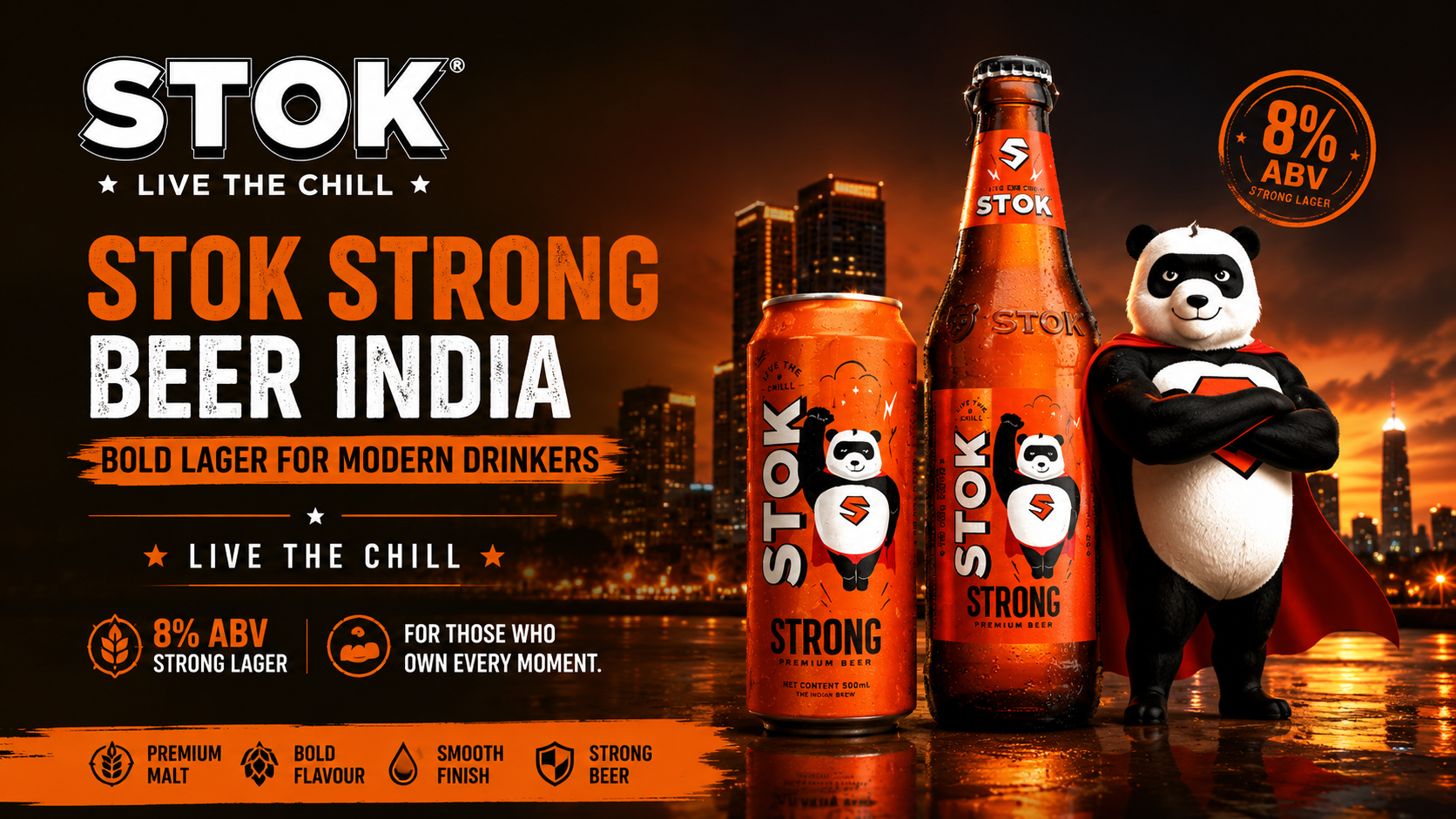
STOK strong beer India is part of a shift already underway across the country's alcohol market. India's beer market was valued at approximately USD 9.2 billion in 2023 and is projected to grow at a CAGR of 8.1% through 2030. Strong beer defined by higher ABV accounts for a dominant share of that volume. Indian consumers are not simply drinking more beer. They are drinking with more intent, choosing brands that signal quality alongside strength.
This post breaks down what defines the strong beer category in India, why the segment keeps growing, and what separates a premium strong beer from a commodity one.
What Is the Alcohol Content of Strong Beer in India?
Strong beer in India typically carries an ABV of 6% to 9%, compared to 4% to 5% for standard lager. This higher alcohol content is the defining feature of the category and the primary reason it commands a different price point and consumer profile.
How ABV Is Regulated in India
Each Indian state regulates alcohol content independently through its excise policy. Most states classify beer above 5% ABV as strong beer, which affects labelling, taxation, and retail placement. This creates meaningful variation in how brands price and position their products across markets.
Why Higher ABV Matters to Indian Consumers
Indian beer drinkers have historically favoured strong beer over mild lager a pattern distinct from most Western markets. Approximately 80% of beer sold in India falls under the strong beer category. Value perception drives this: consumers associate higher ABV with a more complete drinking experience per rupee spent.
Why Is Strong Beer Popular in India?
Strong beer is popular in India for three interconnected reasons: value for money, social consumption patterns, and historical brand conditioning. Indian consumers built their beer preferences around products that delivered higher potency at accessible price points, and those preferences have proven durable across generations.
The Role of Price and Accessibility
India's alcohol pricing is heavily influenced by state-level excise taxes, which can push premium spirits beyond reach for large consumer segments. Strong beer fills a gap it offers a meaningful drinking experience at a price point that stays approachable. This structural advantage has made the category sticky even as incomes rise.
Shifting Demographics and Premiumisation
India's young adult population 18 to 35 year olds represents the fastest-growing cohort of beer consumers. This group shows different preferences: they want higher quality packaging, cleaner ingredients, and stronger brand identity alongside high ABV. According to the IWSR, the premium beer segment in India grew by over 20% between 2020 and 2023. Strong beer brands that invest in premium presentation are capturing this shift.
What Makes a Strong Beer Premium?
A premium strong beer stands apart through ingredient quality, brewing process, and brand positioning not ABV alone. ABV is the floor, not the ceiling. What lifts a strong beer into the premium tier is consistency, taste profile, and the story behind how it is made.
Brewing Standards and Ingredient Sourcing
Premium strong beers use quality malted barley, select hop varieties, and controlled fermentation to produce a cleaner, more balanced flavour at higher alcohol levels. Many mass-market strong beers compensate for cost pressure with adjuncts like rice or corn, which can affect mouthfeel and flavour depth. Brands that maintain purity of ingredients at higher ABV deliver a genuinely different product.
Packaging and Consumer Experience
Premium positioning in beer is partly communicated through packaging. Bottle weight, label design, and format choice can vs bottle vs draught all send signals to the consumer before the first sip. As India's beer retail environment matures, shelf presence has become a genuine competitive factor. Brands that treat packaging as part of the product, not an afterthought, win disproportionate attention.
Which Strong Beer Brands Are Trending in India?
The Indian strong beer market has consolidated around a small number of high-volume brands, but newer entrants are gaining ground by targeting younger, urban consumers. The competitive landscape is moving from pure volume to brand equity a meaningful change for a category that was once almost entirely price-driven.
National Brands vs Regional Players
National brands benefit from distribution scale and established retail relationships. Regional players often linked to state-level licensing arrangements can hold strong positions in specific markets. The tension between these two dynamics shapes pricing strategy, trade marketing spend, and above-the-line advertising decisions across the category.
Craft and Premium Strong Beer Entry Points
India's craft beer movement, centred initially in cities like Bengaluru, Pune, and Mumbai, has begun influencing the strong beer category. Microbreweries are experimenting with high-ABV styles strong ales, IPAs with elevated alcohol that offer distinct flavour profiles compared to mainstream lager. While volumes remain small, the influence on consumer expectations for taste and quality has been outsized.
Conclusion
India's strong beer category is no longer a single, undifferentiated volume segment. Consumers increasingly distinguish between brands on quality, taste, and brand identity not just price and ABV. STOK strong beer India sits within a market where premiumisation is real, not just a trend reported in slide decks.
Strong beer will continue to dominate India's beer volumes, but the brands that win long-term will be those that earn genuine loyalty, not just repeat purchase driven by habit. The question worth asking: as Indian consumers keep upgrading their expectations, which strong beer brands are building the substance to match?
We strictly comply with all applicable Government of India regulations, state excise laws, industry standards, and responsible consumption guidelines.
Categorias
Leia Mais
The IPL 2026 game between Mumbai Indians (MI) and Punjab Kings (PBKS) at Wankhede stadium, Mumbai is set to be a thrilling game between two aggressive teams. Both teams have powerful batting lineups as well as experienced bowlers, so this match may turn out to be one of the highest-scoring games of the season. Following match previews via Dafabet, the game provides a lot of crucial aspects...

RR99 là một nền tảng giải trí trực tuyến uy tín, mang đến cho người chơi nhiều lựa chọn thú vị như casino online, cá cược thể thao, và các trò chơi slot đổi thưởng đa dạng. Với thiết kế giao diện thân thiện, người dùng có thể dễ dàng truy cập và trải nghiệm mọi lúc, mọi nơi...

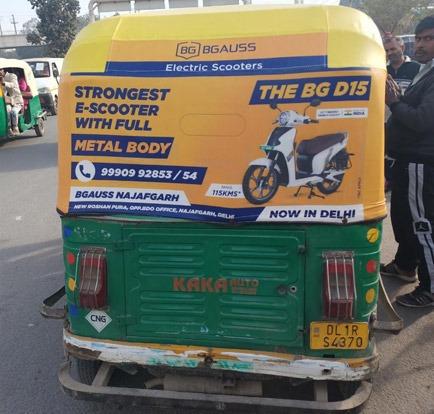
A Story Every Brand in India Should Hear… It was a regular Monday morning in Delhi. A small café owner in Lajpat Nagar had just launched his new outlet. He had tried everything—Instagram ads, flyers, even a small hoarding. But footfall? Still inconsistent. One day, while stuck in traffic, he noticed something interesting. An auto rickshaw passed by with a bold, colorful ad...
In the 2026 B2B apparel sector, the Tummy Control One Piece Swimsuit remains one of the highest-grossing categories for retail boutiques and department stores. However, it simultaneously carries a hidden burden: a return rate that often doubles that of standard swimwear. The problem is rarely the visual design; it is a fundamental failure in "Adaptive Compression." Most wholesale manufacturers...

Data Bridge Market Research analyses that the photosensitive glass market will witness a CAGR of 8.72% for the forecast period of 2021-2028 and is likely to reach at USD 102.06 billion by 2028. The global business landscape is undergoing a transformation, with industries increasingly leaning on deep research and actionable insights to make strategic decisions. One segment seeing tremendous...