


Methanol Ships Market Growth: The Maritime Industry’s Green Transition
Methanol Ships Market, projected to reach USD 43.2 billion by 2034 with a CAGR of 12.9%, driven by green shipping innovations and sustainable marine fuel demand.
Market Overview and Summary
Methanol ships are vessels specifically designed or retrofitted to operate on methanol fuel, either as a primary source or in dual-fuel configurations. These ships include container vessels, tankers, bulk carriers, ferries, and cruise ships equipped with specialized engines and fuel storage systems compatible with methanol. Methanol offers significant environmental advantages over traditional marine fuels, delivering lower emissions of sulfur oxides (SOx), nitrogen oxides (NOx), and particulate matter.
The market is driven by the International Maritime Organization’s (IMO) ambitious targets to reduce carbon intensity in international shipping by at least 40% by 2030 and pursue net-zero emissions by 2050. Methanol, particularly green methanol produced from renewable sources, is emerging as a practical transitional and long-term fuel solution due to its easier storage, handling, and existing infrastructure compatibility compared to alternatives like LNG or ammonia.
Key Market Growth Drivers
Several compelling factors are propelling the methanol ships market:
- Stringent Emission Regulations and Decarbonization Targets: Global and regional policies are pushing shipping companies to adopt low-carbon fuels. The IMO’s greenhouse gas reduction strategy and EU emissions trading systems are accelerating the shift toward methanol-powered vessels.
- Expansion of Green Methanol Production: As of March 2026, there were 263 renewable methanol projects globally with a projected capacity of 48.5 million tons by 2031. This rapid growth in e-methanol and bio-methanol supply is reducing fuel availability risks and encouraging wider adoption.
- Operational Flexibility of Dual-Fuel Systems: Dual-fuel methanol engines allow vessels to switch between conventional fuels and methanol, minimizing transition risks while ensuring regulatory compliance.
- Cost-Effectiveness and Infrastructure Advantages: Methanol offers competitive pricing (USD 350–600 per ton) compared to marine diesel, along with simpler storage and growing bunkering infrastructure, making it an attractive option for fleet operators.
- Rising Demand in Key Vessel Segments: Strong global trade volumes and the need for sustainable passenger transport are boosting orders for methanol-ready container ships, ferries, and cruise vessels.
Market Challenges
Despite promising growth, the industry faces notable obstacles:
- High Capital Costs for Conversion and Newbuilds: Retrofitting existing vessels or constructing new methanol-powered ships requires substantial investment in fuel systems, engine modifications, and safety features. This creates barriers, especially for smaller fleet operators.
- Infrastructure Limitations: While bunkering facilities are expanding, the global network remains underdeveloped in many ports, slowing widespread adoption.
- Fuel Supply Chain Maturity: Although green methanol projects are increasing, consistent availability of high-quality renewable methanol at competitive prices is still evolving.
- Technical and Safety Considerations: Specialized training for crews and updated safety protocols for methanol handling are required.
𝐁𝐫𝐨𝐰𝐬𝐞 𝐌𝐨𝐫𝐞 𝐈𝐧𝐬𝐢𝐠𝐡𝐭𝐬:
https://www.polarismarketresearch.com/industry-analysis/methanol-ships-market
Regional Analysis
Europe currently leads the global methanol ships market, holding approximately 38.99% share in 2025. Strong regulatory frameworks, substantial investments in clean energy (EUR 118 billion spent by EU nations on renewables in 2023), and ambitious decarbonization policies drive this dominance. Countries like Germany, Denmark, and the Netherlands are at the forefront of methanol vessel deployment and bunkering infrastructure.
Asia Pacific is the fastest-growing region, supported by world-class shipbuilding capabilities in China, South Korea, and Japan. China accounted for 46% of global completed ship tonnage and 63.5% of new orders in recent years. Major shipyards are ramping up production of methanol-ready vessels to meet both domestic and international demand.
North America is expanding at a notable CAGR of 13.6%, fueled by growing green methanol production capacity in the United States and Canada. Investments by companies such as OCI N.V. are strengthening fuel supply chains and supporting fleet modernization.
Middle East & Rest of the World show emerging potential through new bunkering hubs (such as in the UAE) and green methanol production initiatives in countries like Brazil. These regions are expected to play a growing role as global trade routes adopt cleaner fuels.
Key Companies
The competitive landscape features leading shipping lines, shipbuilders, engine manufacturers, and fuel suppliers collaborating to advance methanol technology. Major players include:
- A.P. Moller - Maersk A/S
- China COSCO Shipping
- CMA CGM Group
- Damen Shipyards Group
- HD Hyundai Heavy Industries Co., Ltd.
- Samsung Heavy Industries Co., Ltd.
- Shanghai Waigaoqiao Shipbuilding Co., Ltd.
- Yangzijiang Shipbuilding (Holdings) Ltd.
- MAN Energy Solutions SE
- Wärtsilä Corporation
- MOL (Mitsui O.S.K. Lines, Ltd.)
- NYK Line (Nippon Yusen Kabushiki Kaisha)
- HMM Co., Ltd.
- OCI N.V.
- Waterfront Shipping Ltd.
These companies are actively investing in methanol-ready fleets, engine innovations, and strategic partnerships to secure long-term market positions. Shipping giants like Maersk and CMA CGM are placing large orders for dual-fuel methanol vessels, while shipbuilders in Asia are expanding methanol-compatible production lines.
Future Outlook
The methanol ships market is poised for transformative growth as the maritime sector navigates the energy transition. Container ships currently dominate with a 51.2% share, while ferries and cruise ships are expected to grow rapidly at a CAGR of 13.5%. Dual-fuel configurations lead today, but pure methanol and fuel cell technologies are gaining traction as green methanol supply scales.
More Trending Latest Reports By Polaris Market Research:
Off-highway Vehicle Lighting Market
Automotive Wholesale And Distribution Aftermarket
Automotive Sensor Fusion Market
Electronic Toll Collection Market
Automotive Wiring Harness Market
Categorias
Leia Mais
The South and Central America self injection device market is expanding steadily, driven by the rising prevalence of chronic diseases such as diabetes, increasing patient preference for self-administration, improving healthcare access, and growing awareness of home-based treatment options. According to Business Market Insights, the market was valued at USD 1,432.3 million in...

A new growth forecast report titled U.S. Prescription Drugs Market Size, Share, Trends, & Industry Analysis Report By Ailment (Alzheimer’s, Parkinson’s, Migraine, Chronic Pain, Sleep Disorders, Major Depressive Disorder) – Market Forecast, 2025–2034 introduced by Polaris Market Research represents conclusive data on the overall market. It majorly targets to provide a...
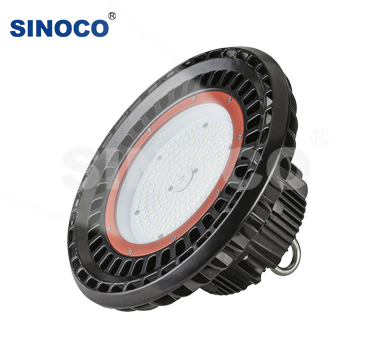
LED high bay lighting is widely used in warehouses, factories, gyms, and large indoor commercial spaces due to its high brightness, energy efficiency, and long lifespan. The price of LED high bay lights depends mainly on wattage, brand quality, lumen output, and build materials. You can view product details here: led high bay light price 💡 What Is an LED High Bay Light? LED high bay lights are...
Accessing your account smoothly is essential for a good user experience, and the Reddybook Login process plays a key role in that. While the platform is designed to be simple and user-friendly, many users still make common mistakes that can lead to login issues, security risks, or unnecessary frustration. Understanding these mistakes and avoiding them can help you manage...

Introduction Choosing the right Gym in Baner can be the key to achieving your fitness goals. With Pune becoming a fitness-focused city, Baner has emerged as one of the top locations for modern gyms. Whether you want to lose weight, build muscle, or improve overall health, the right gym offers the support and environment you need. A well-equipped fitness center with professional trainers helps...